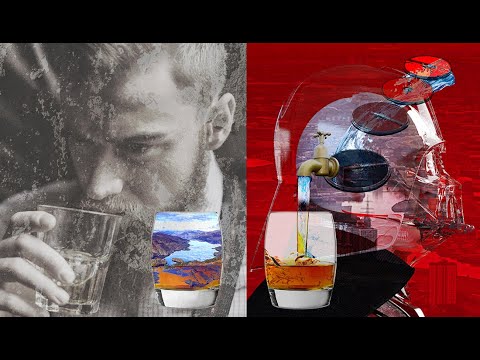
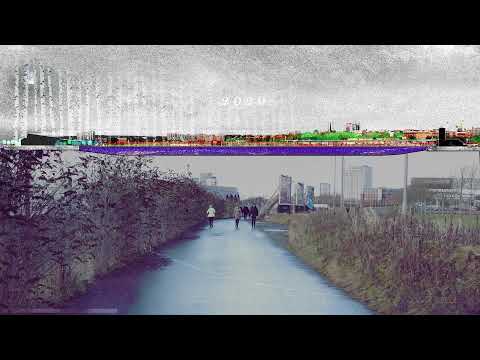
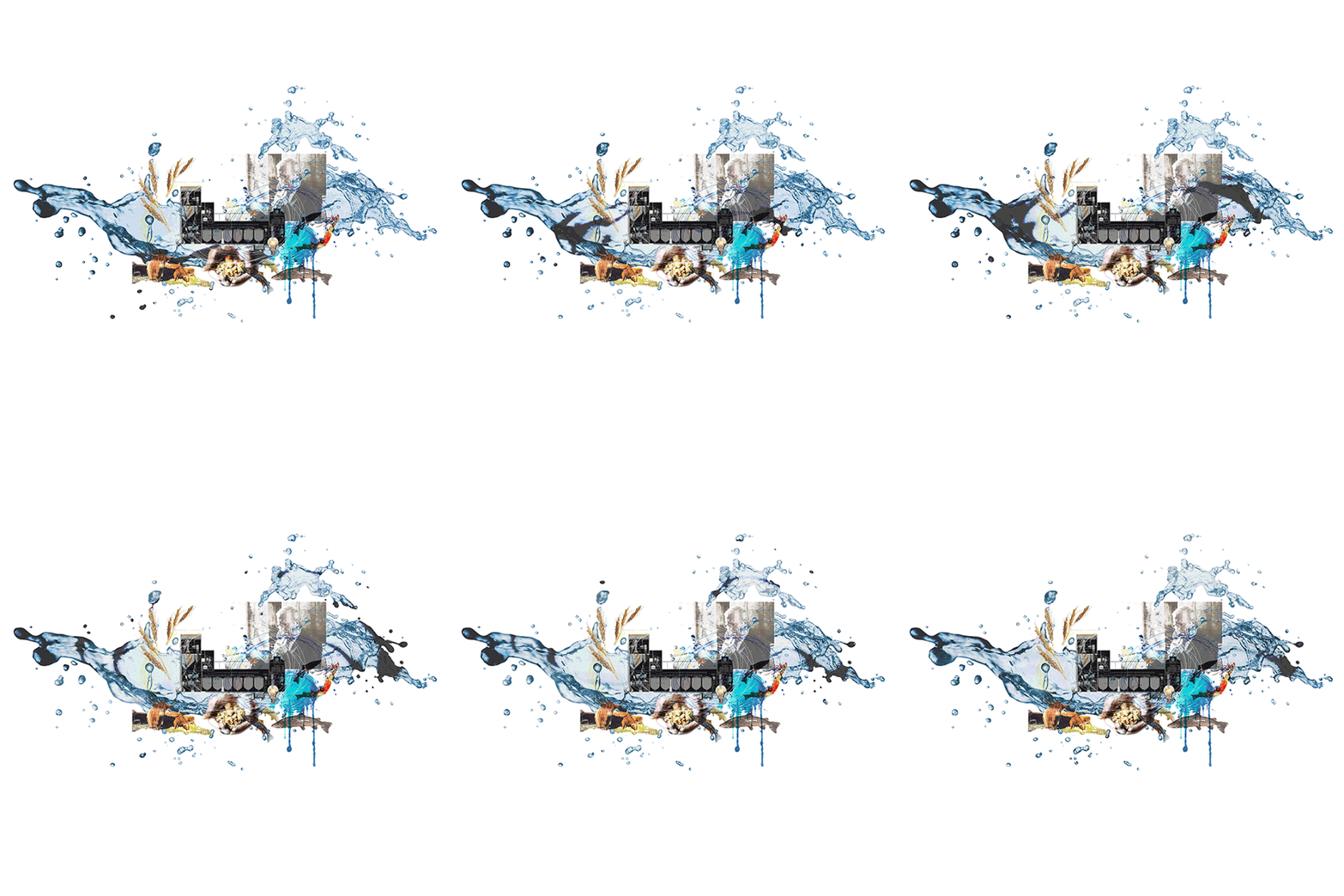
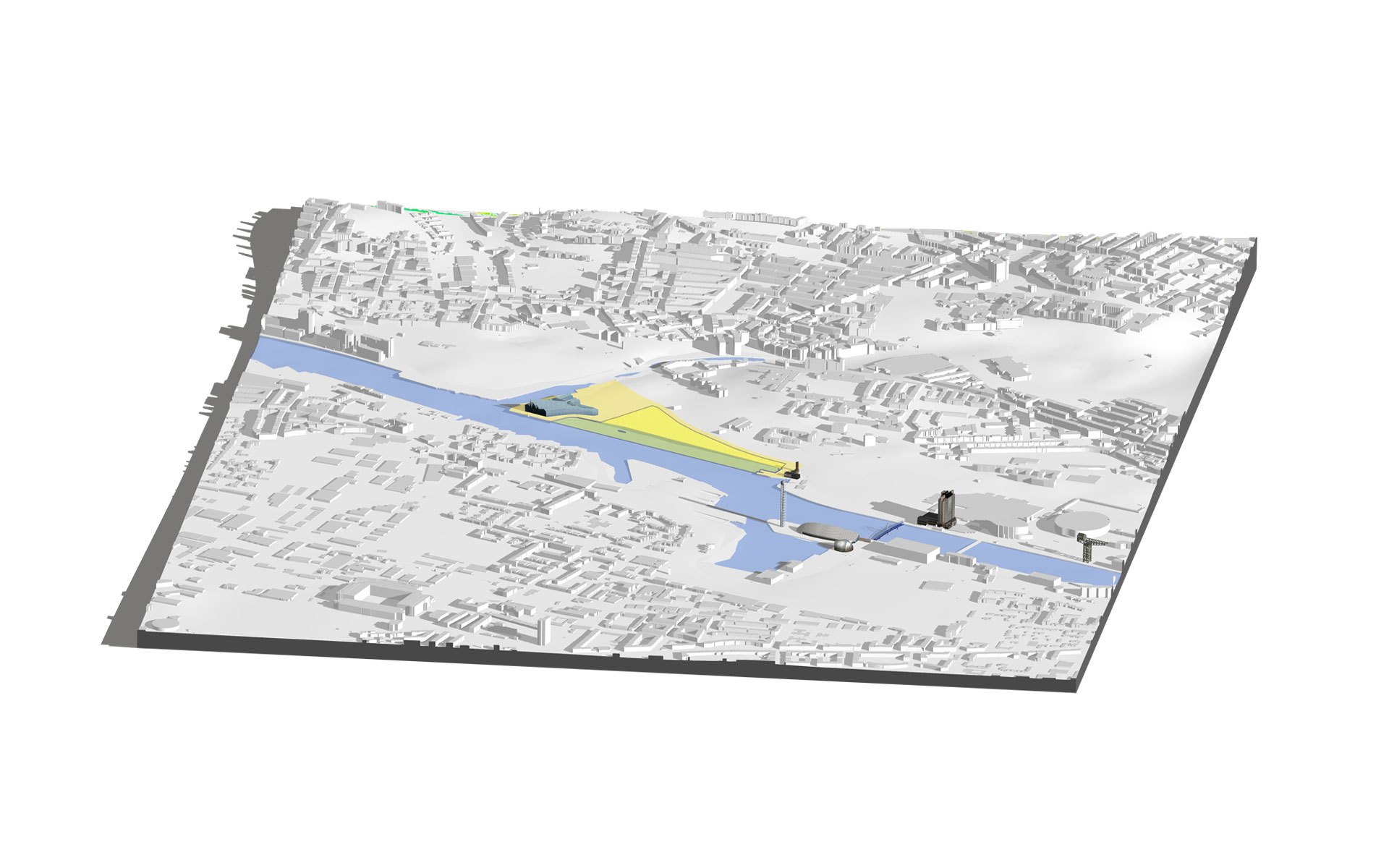
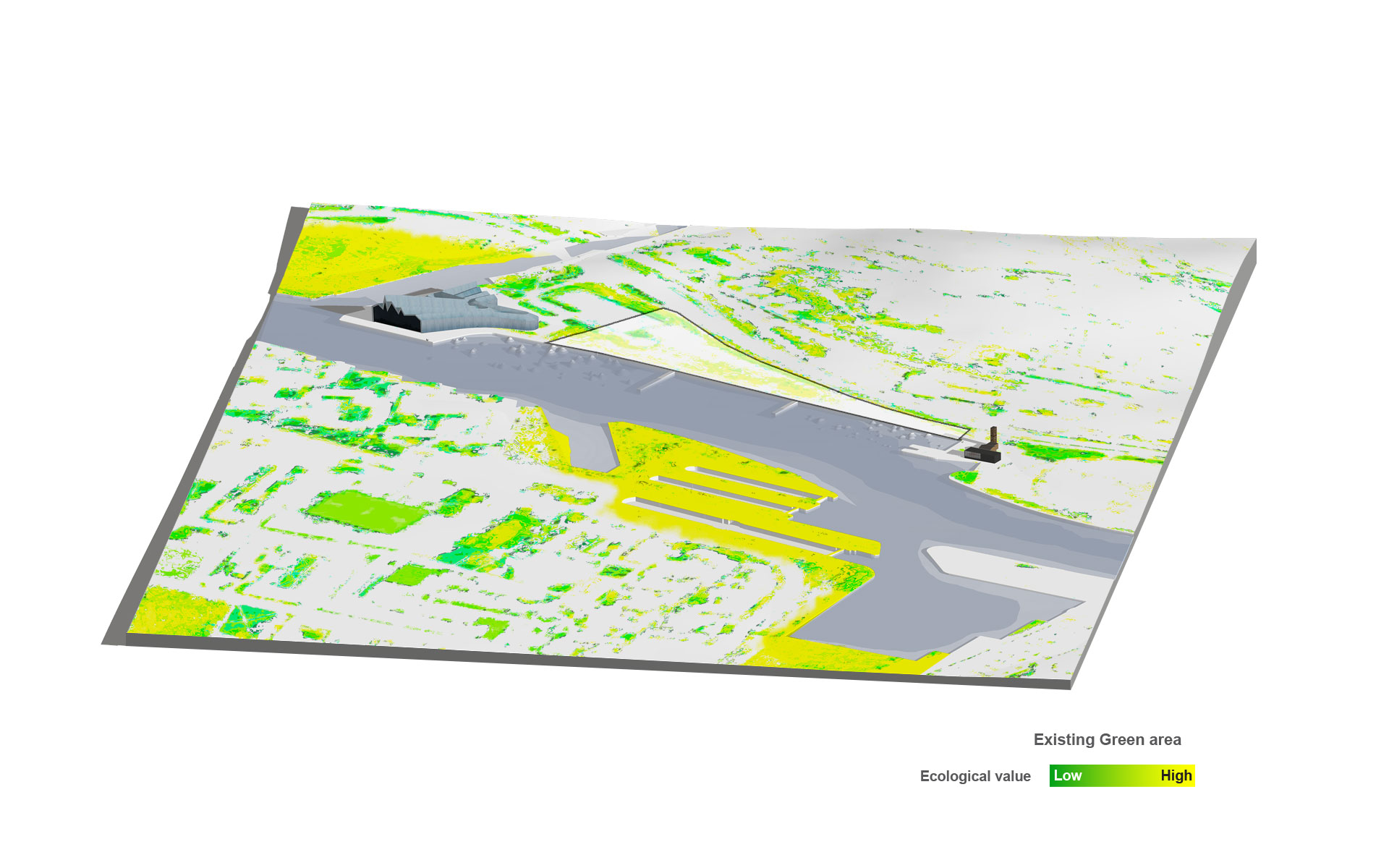
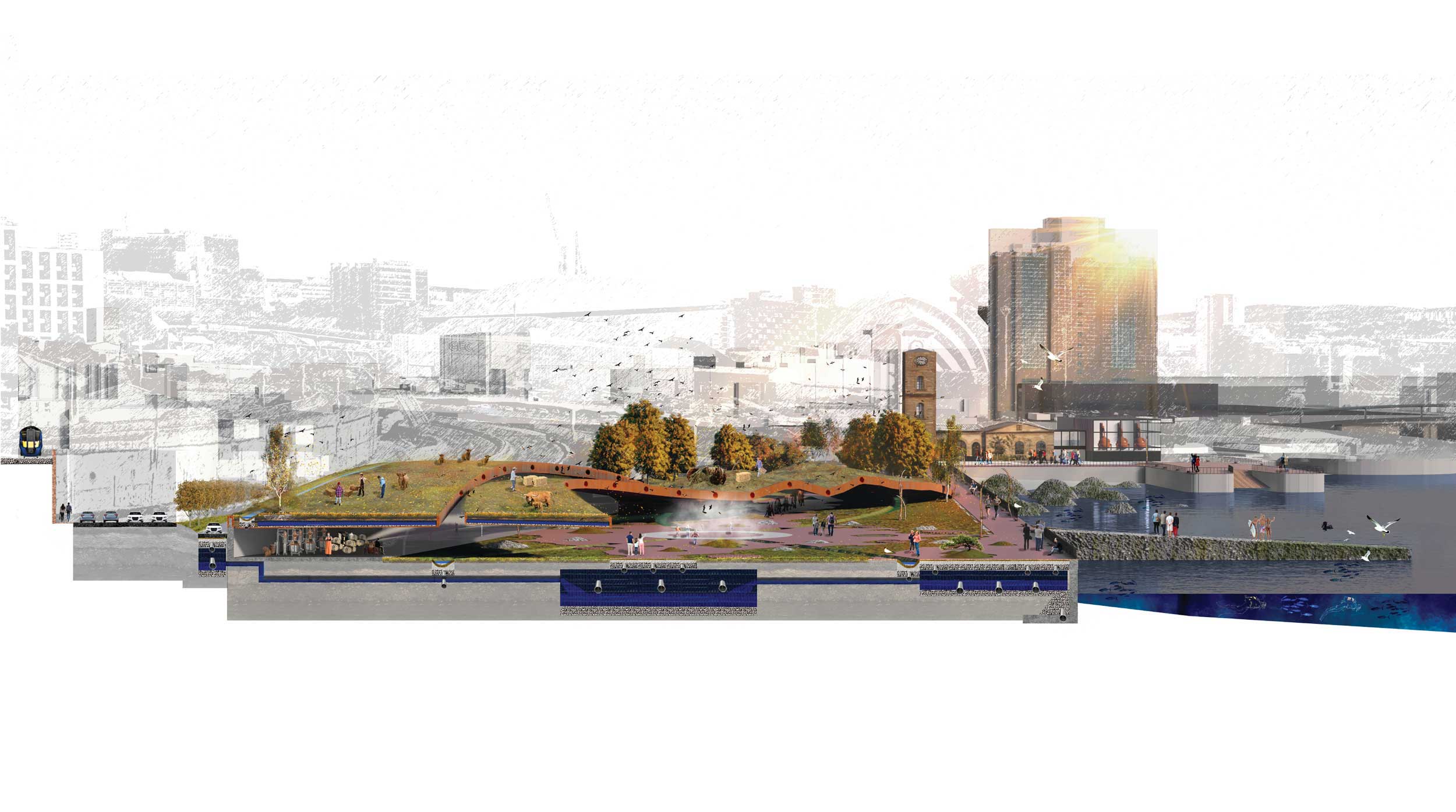
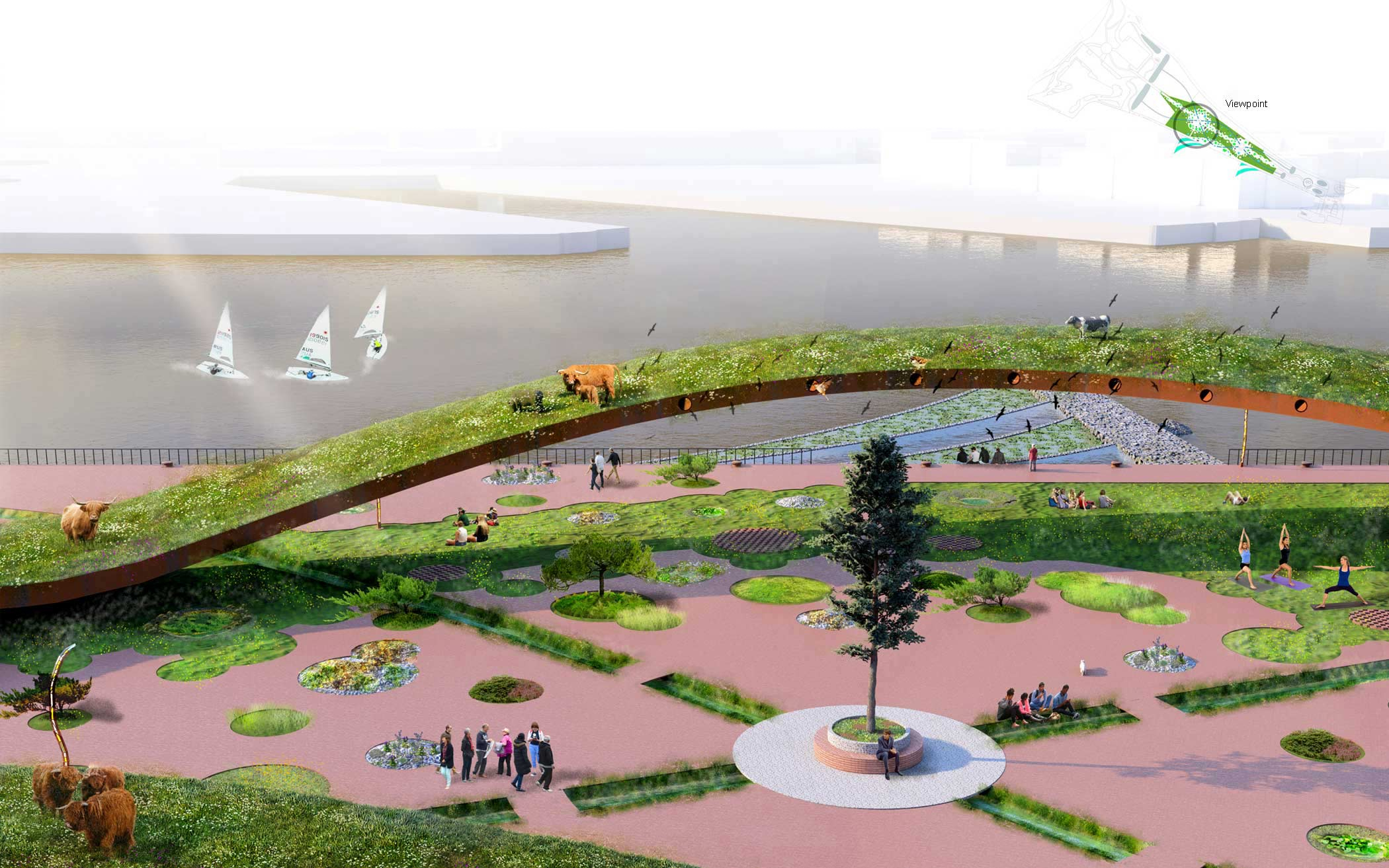
A Glass of Memory aims to create a hybrid landscape of closed-loop urban ecological systems, based on the principles of industrial ecology, giving a prominent role to the reclamation of water within a restored urban ecosystem. The project focuses on the transformation of a vacant brownfield site along the River Clyde waterfront adjacent to Clydeside Distillery. This contemporary building incorporates the Pump House, an important Glasgow landmark and monument to the city’s industrial and dockland heritage. The designed distillery landscape will act as a prototype to the restoration of a forgotten urban waterfront landscape to one that provides cultural opportunities for Glasgow residents and its visitors. The project will provide a framework for the creation of designed semi-natural habitats which support an increase in biodiversity alongside future urban developments. It will demonstrate good practice for the transformation of an urban waterfront towards a more resilient, sustainable and productive space. At the same time, it will provide a place that provokes memories of Glasgow’s industrial heritage and Scottish natural landscapes, a space for cultural events, as well as shaping the waterfront into a more sculptural form that provides a more accessible and inclusive public realm. This design will create an innovative landscape, one that will inspire further inspirational development along the River Clyde to the benefit of humans and more-than-humans.
In the water
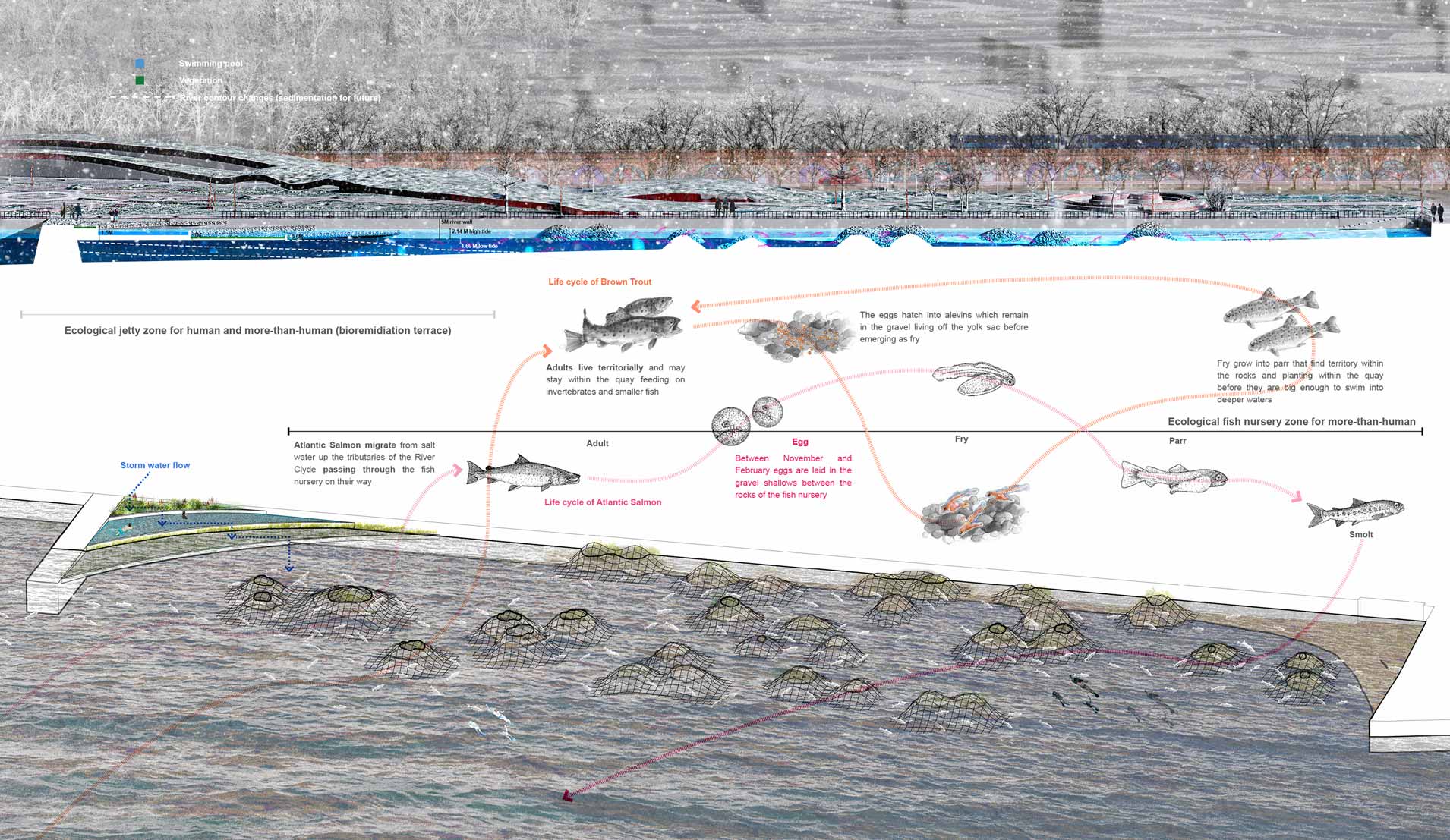
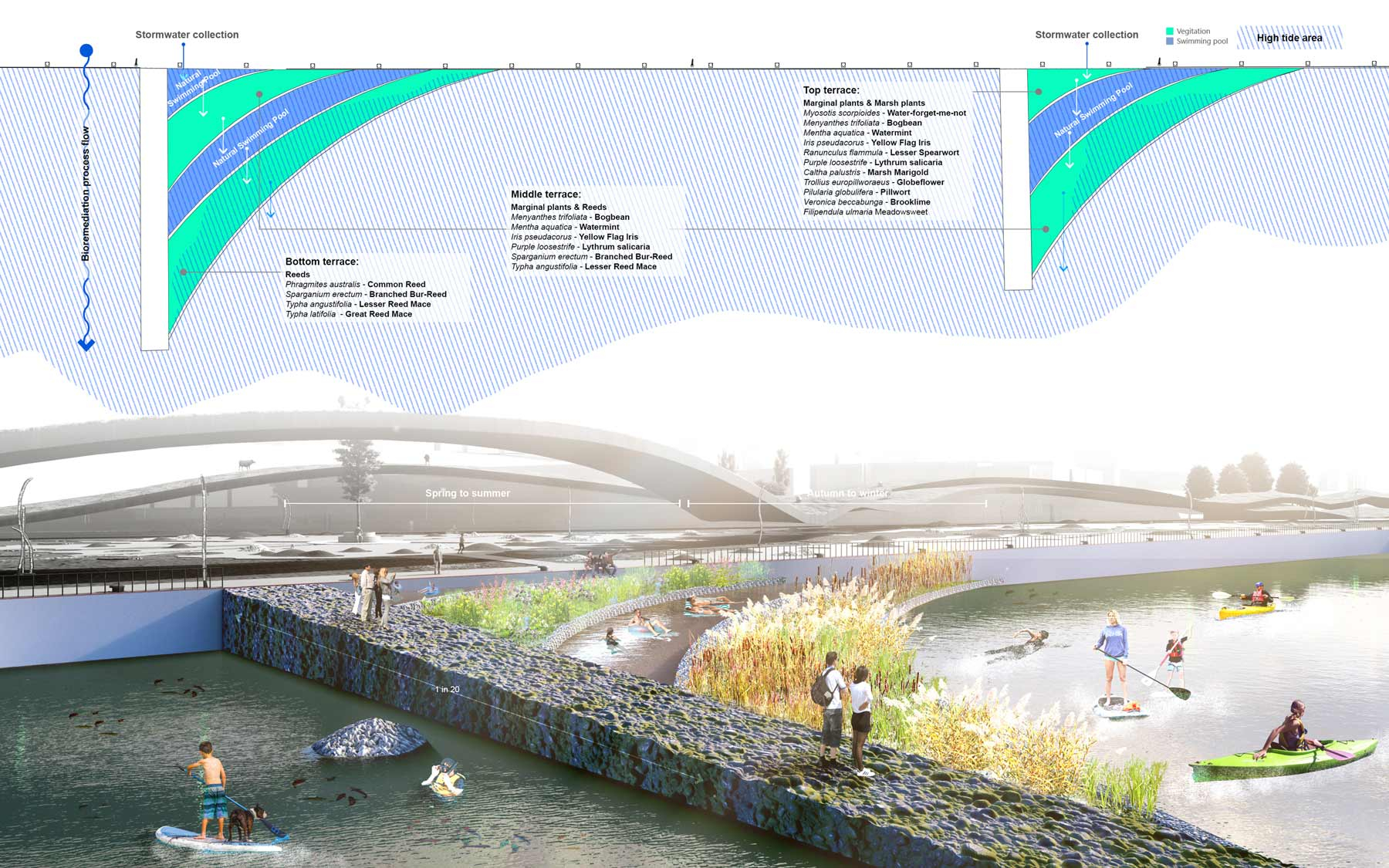
An underwater design strategy involves the creation of two ecological stone jetties and rock formations within the waters of the quay. Using the water dynamics of erosion and sediment, river deposits reform the site’s waterfront topography. Over time this will assist the creation of a bioremediation natural swimming pool for visitors and an educational fish nursery that highlights the problems associated with the River Clyde’s pollution.
On the water
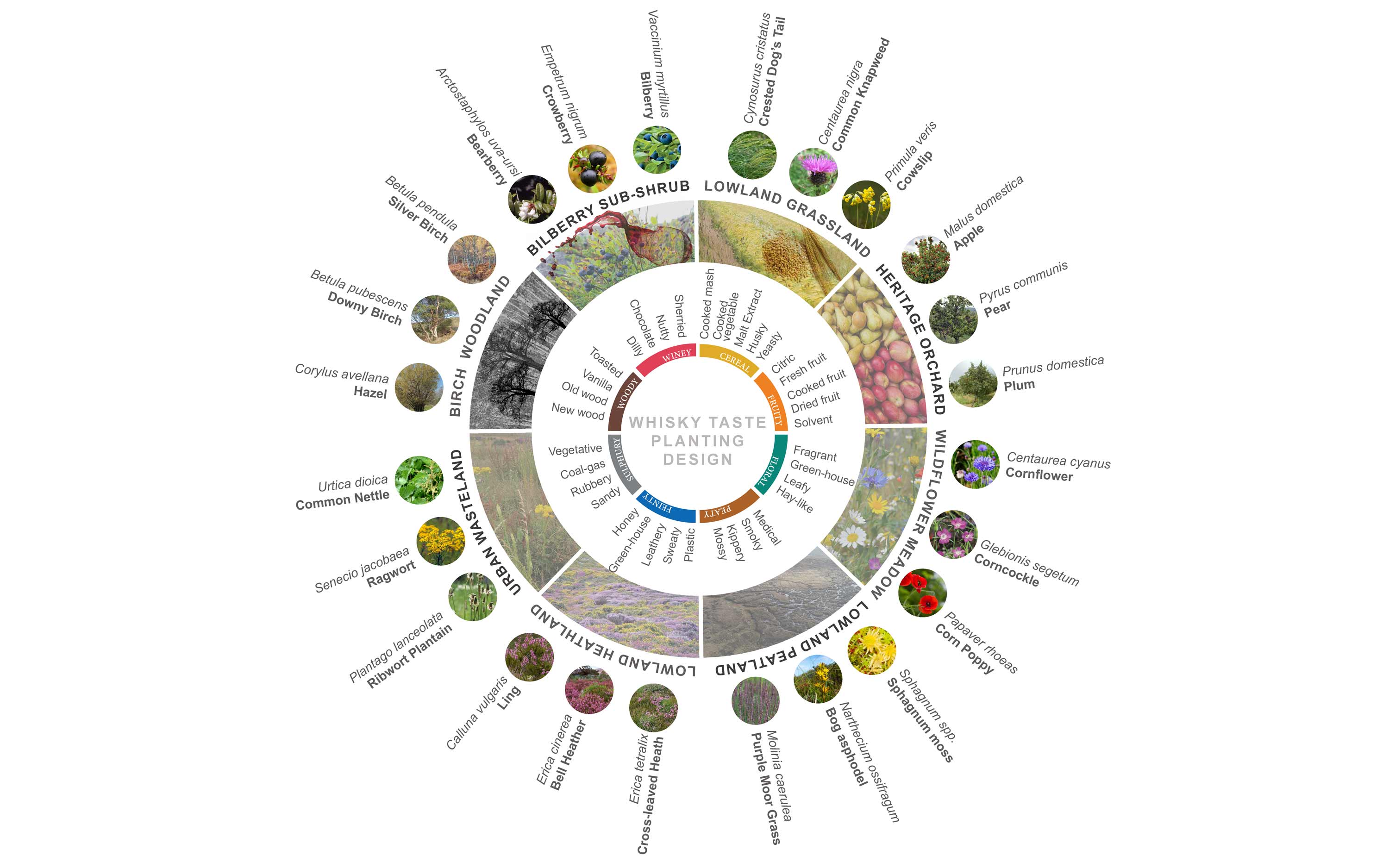
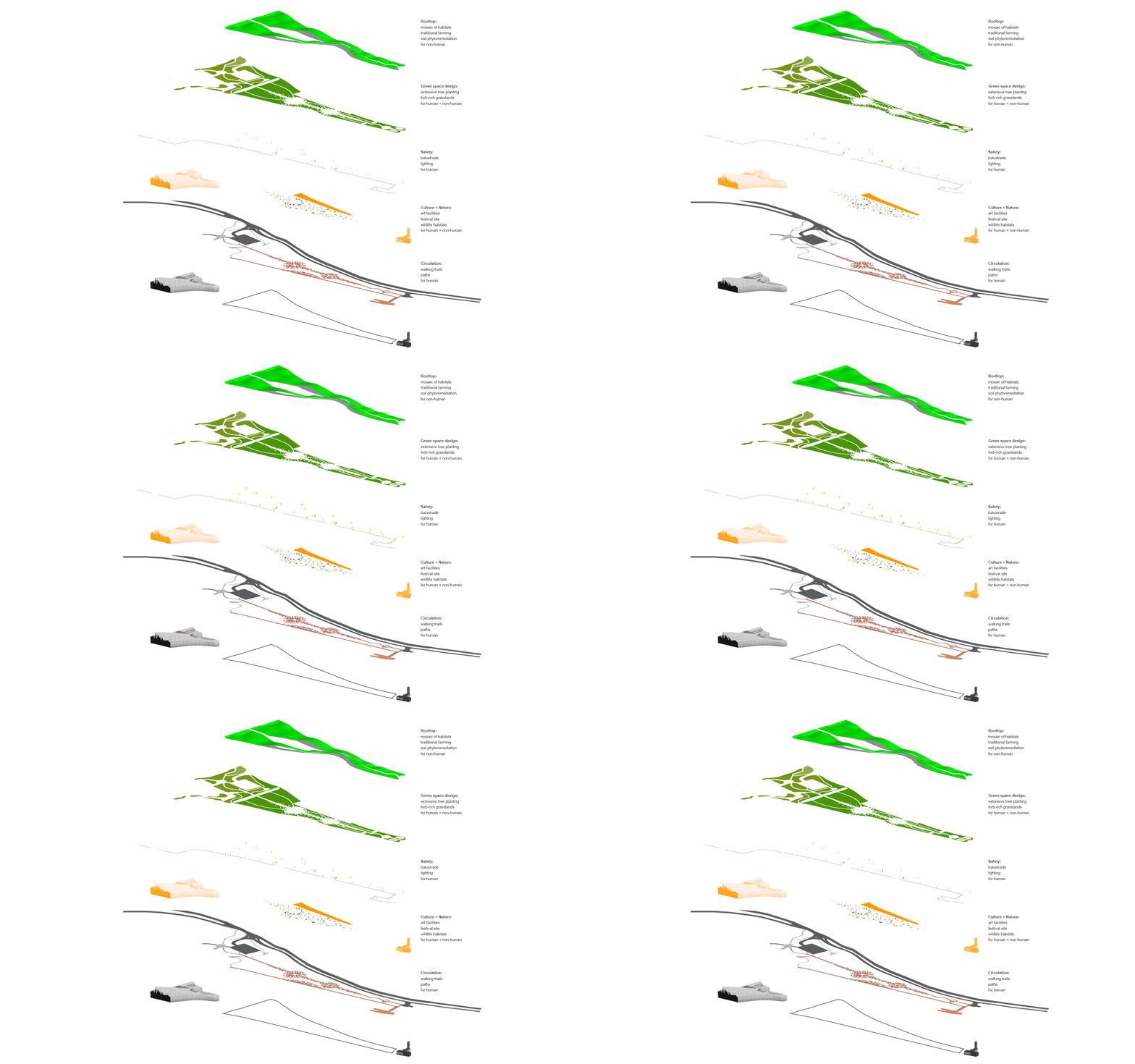
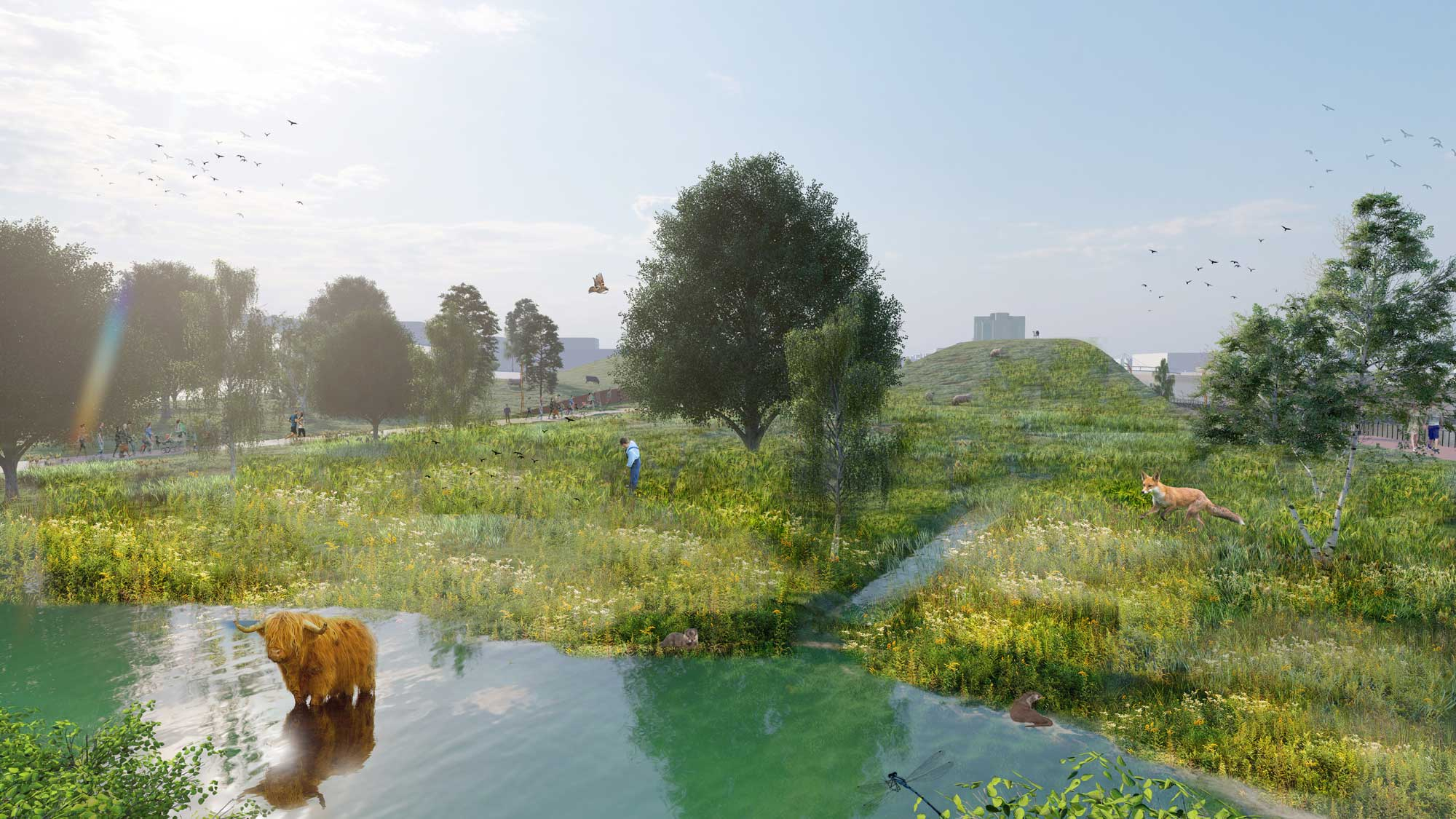
The surface water design strategy includes an extensive sustainable urban drainage system and the creation of a mosaic of designed habitats that will contribute to the creation of a Scotch whisky atmosphere waterfront. Water purification, soil remediation and climate change mitigation will form part of the planting strategy. Over time biodiversity will be supported as the habitats mature. Leisure, recreational and cultural opportunities will provide benefits for human health and well-being.
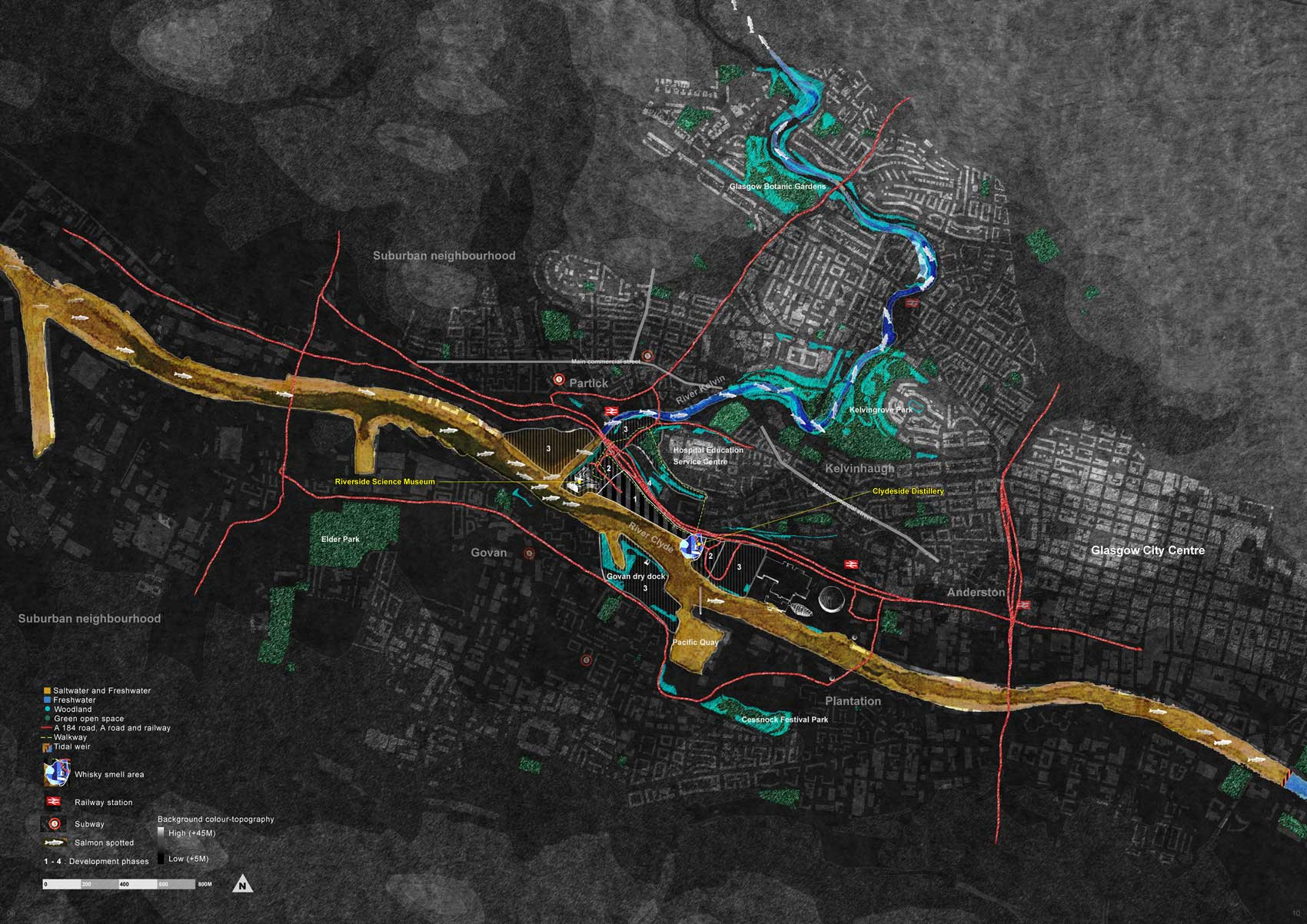

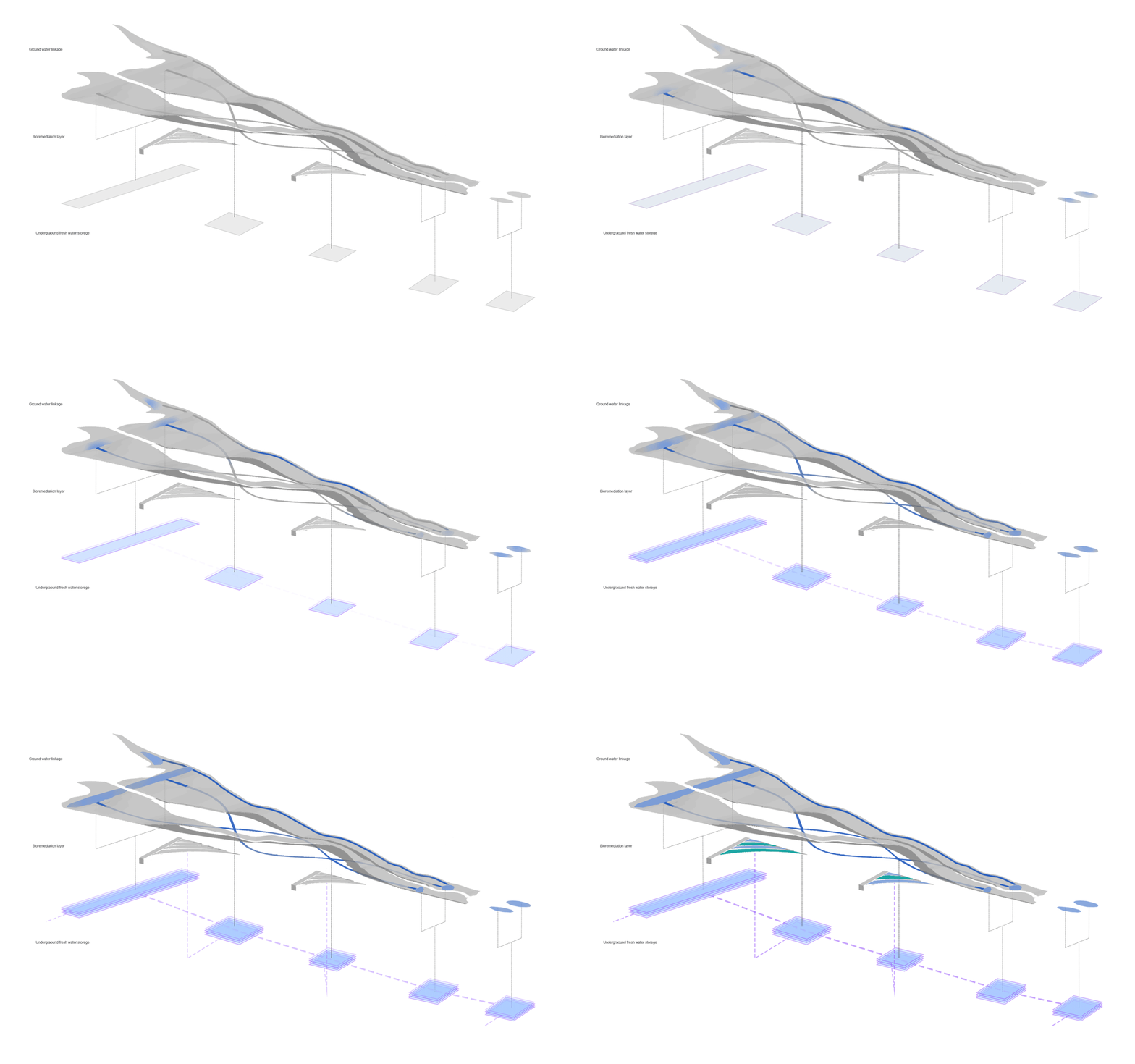
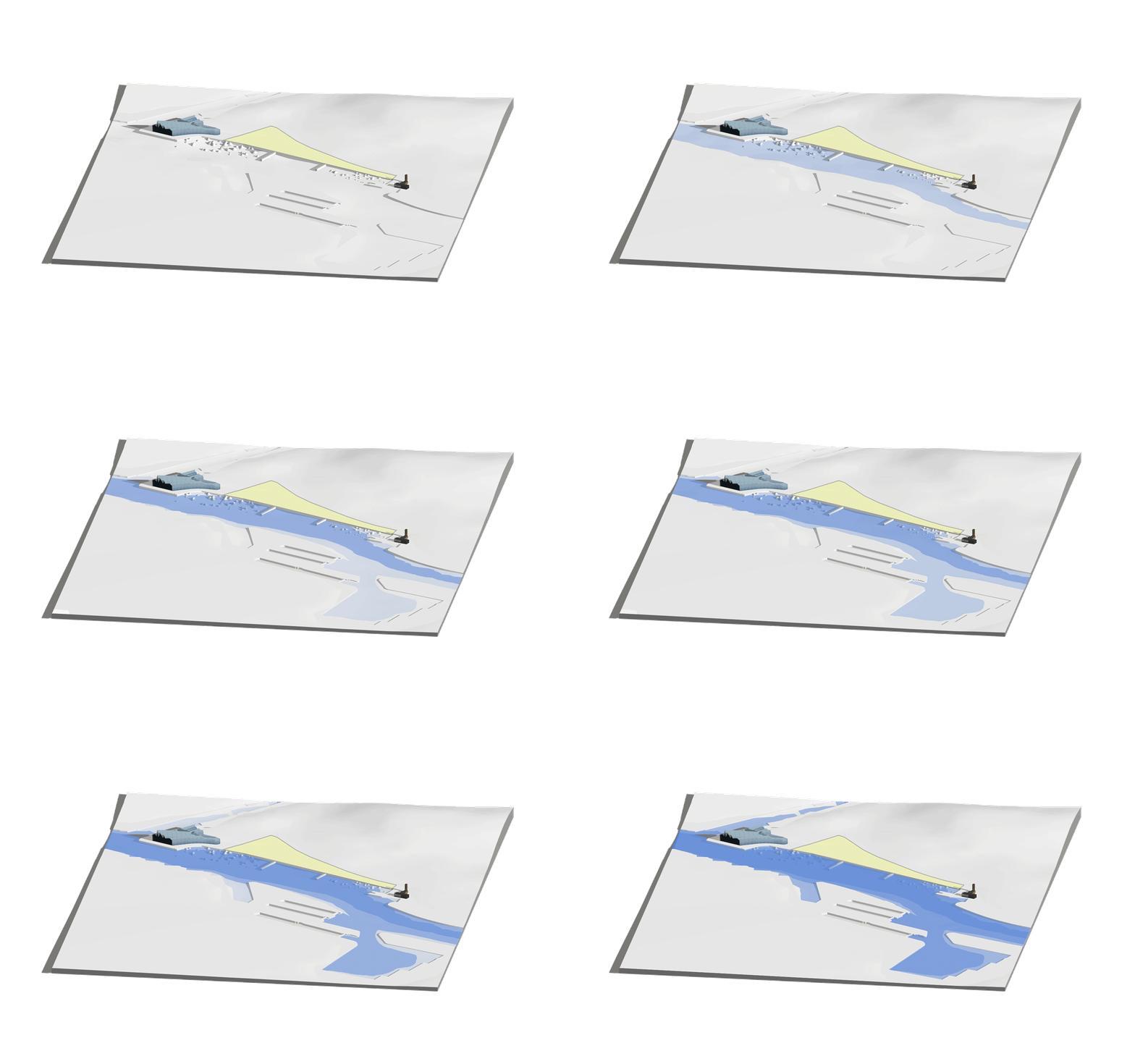
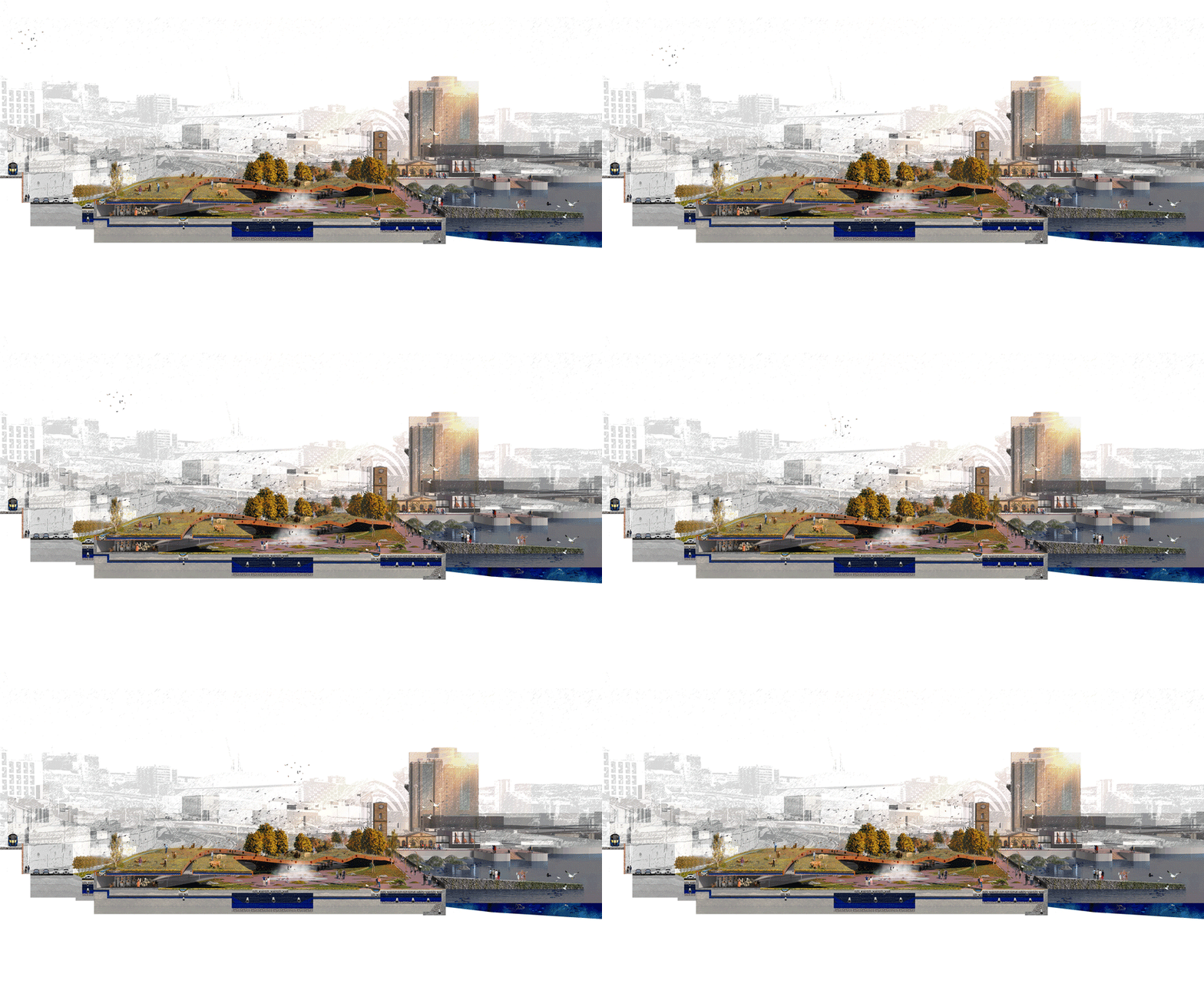
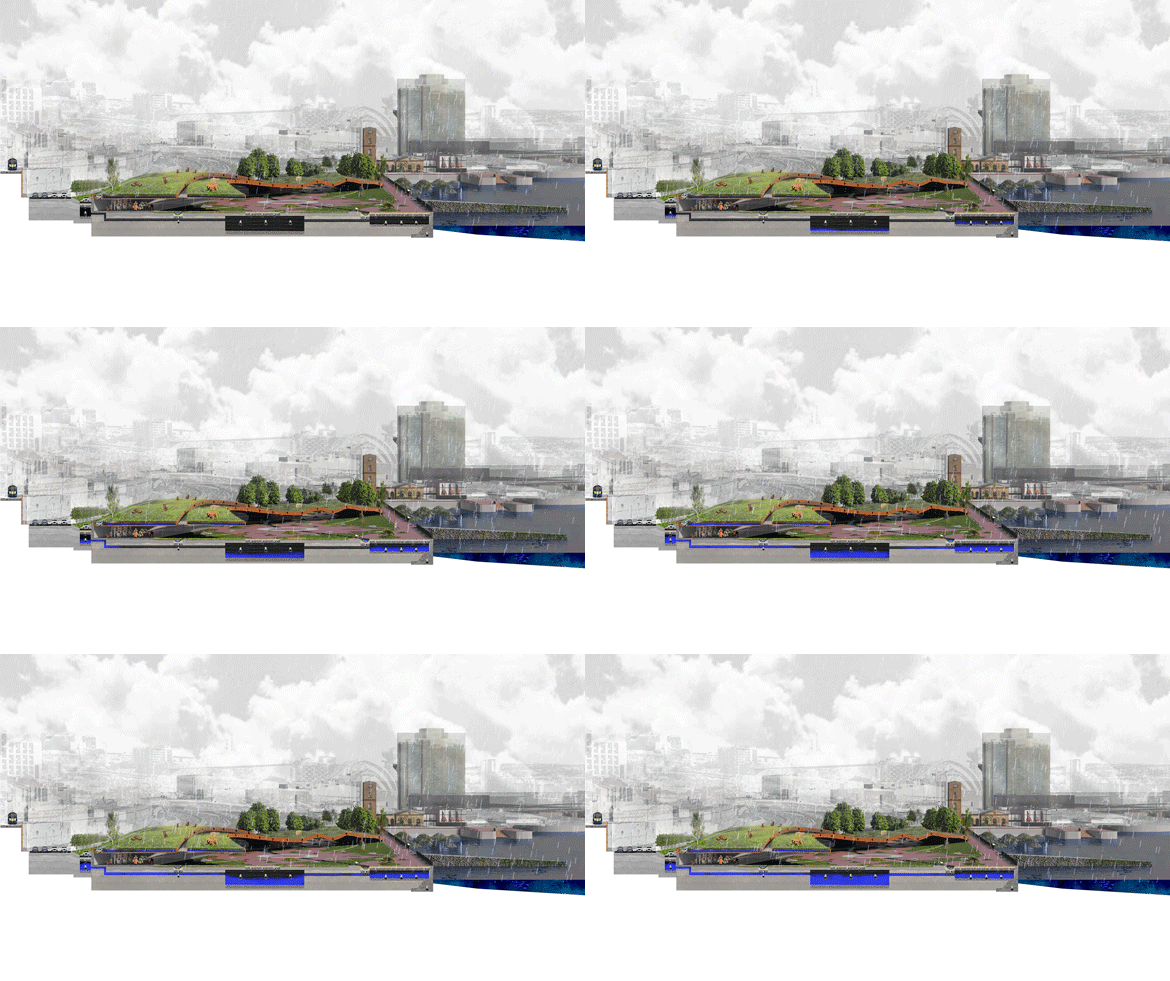
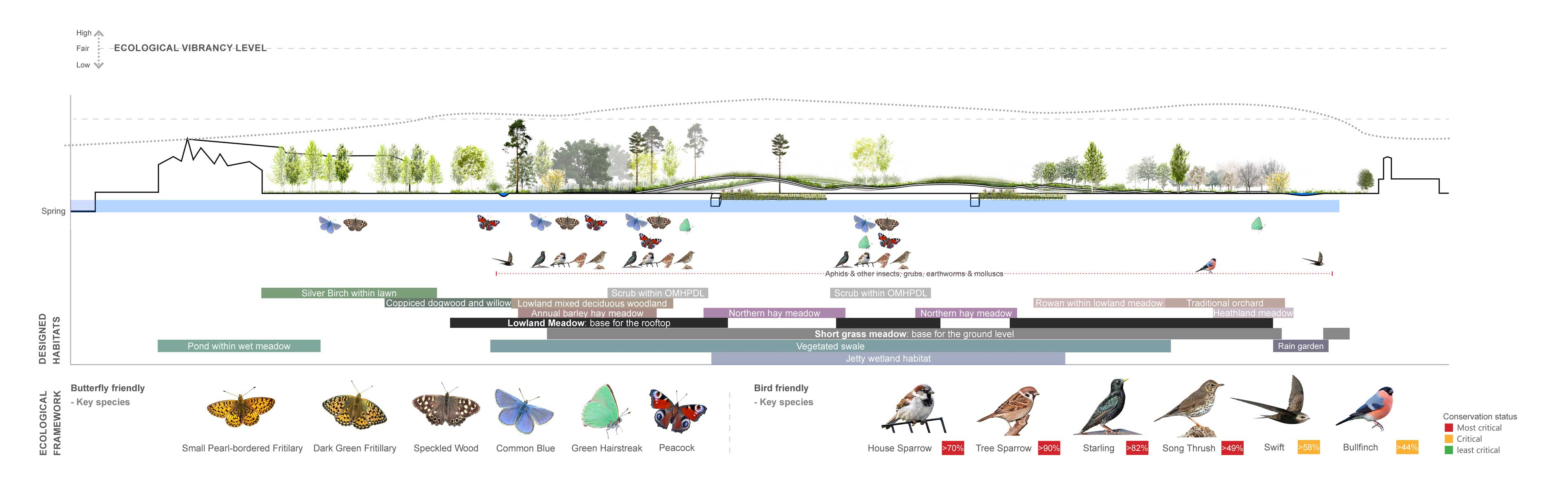
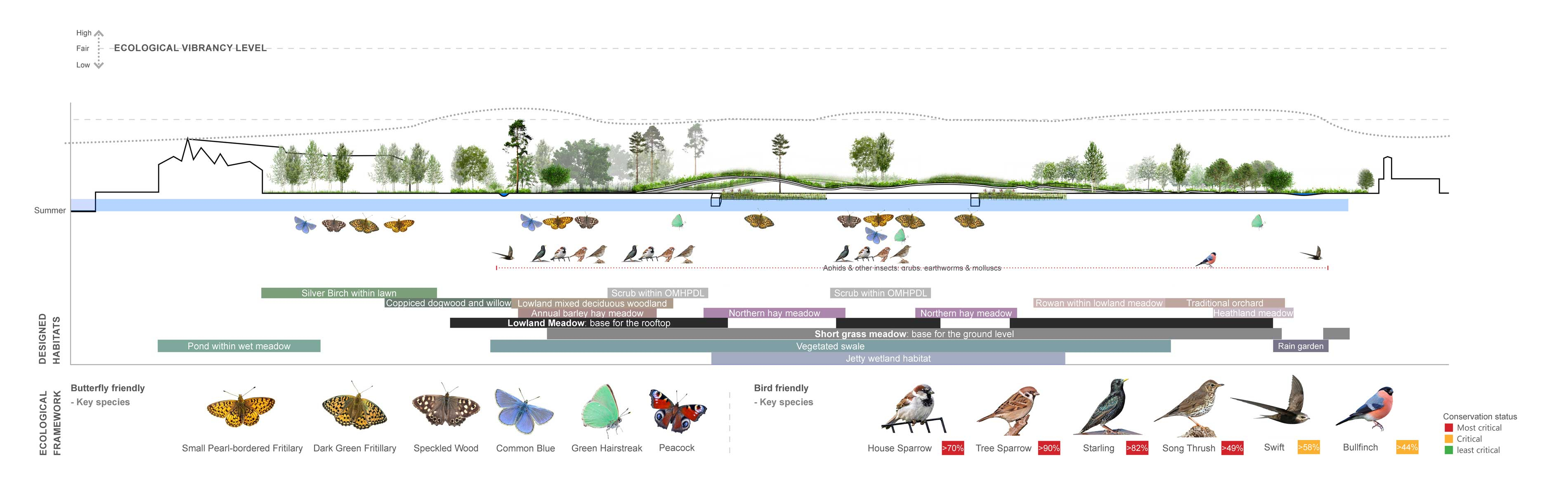
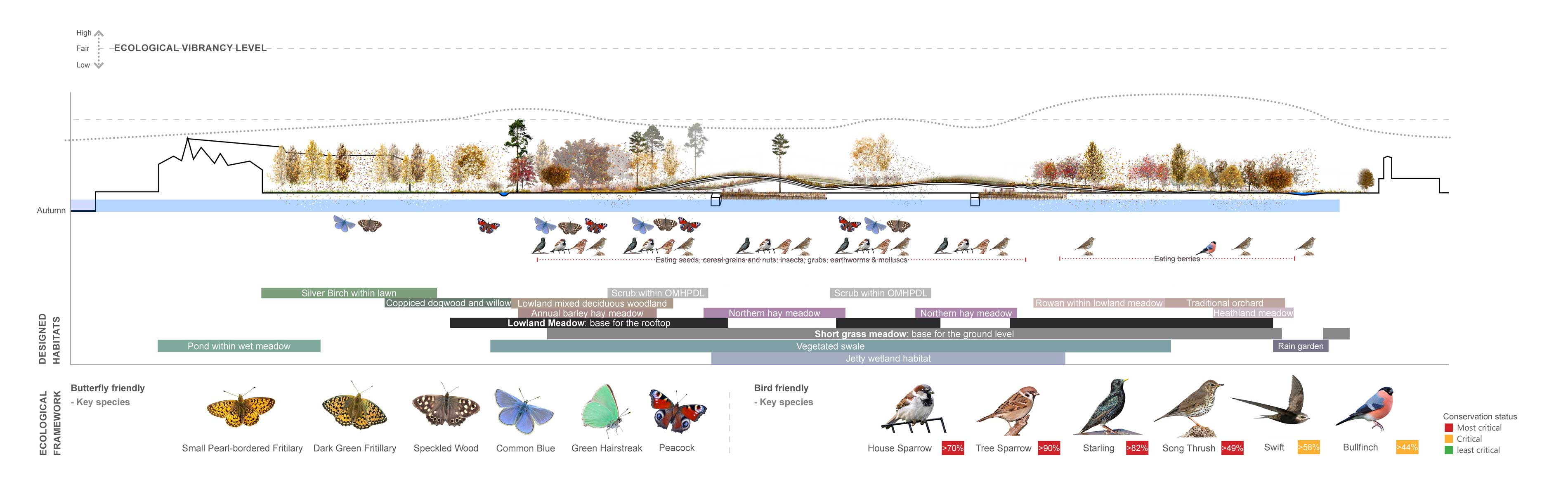
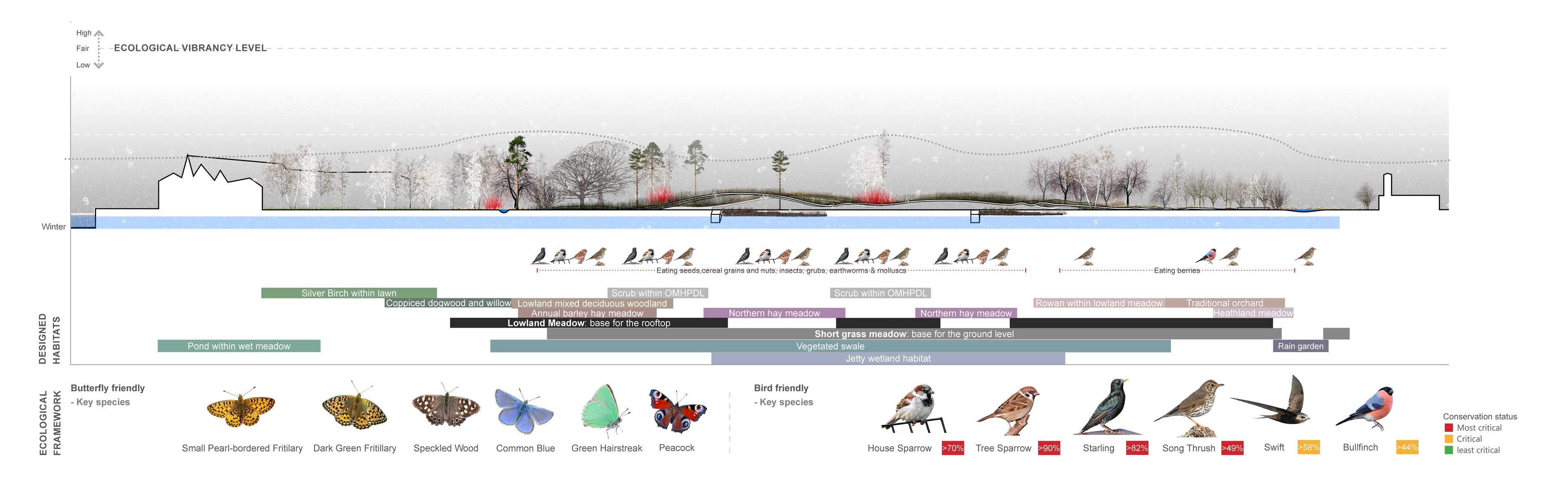

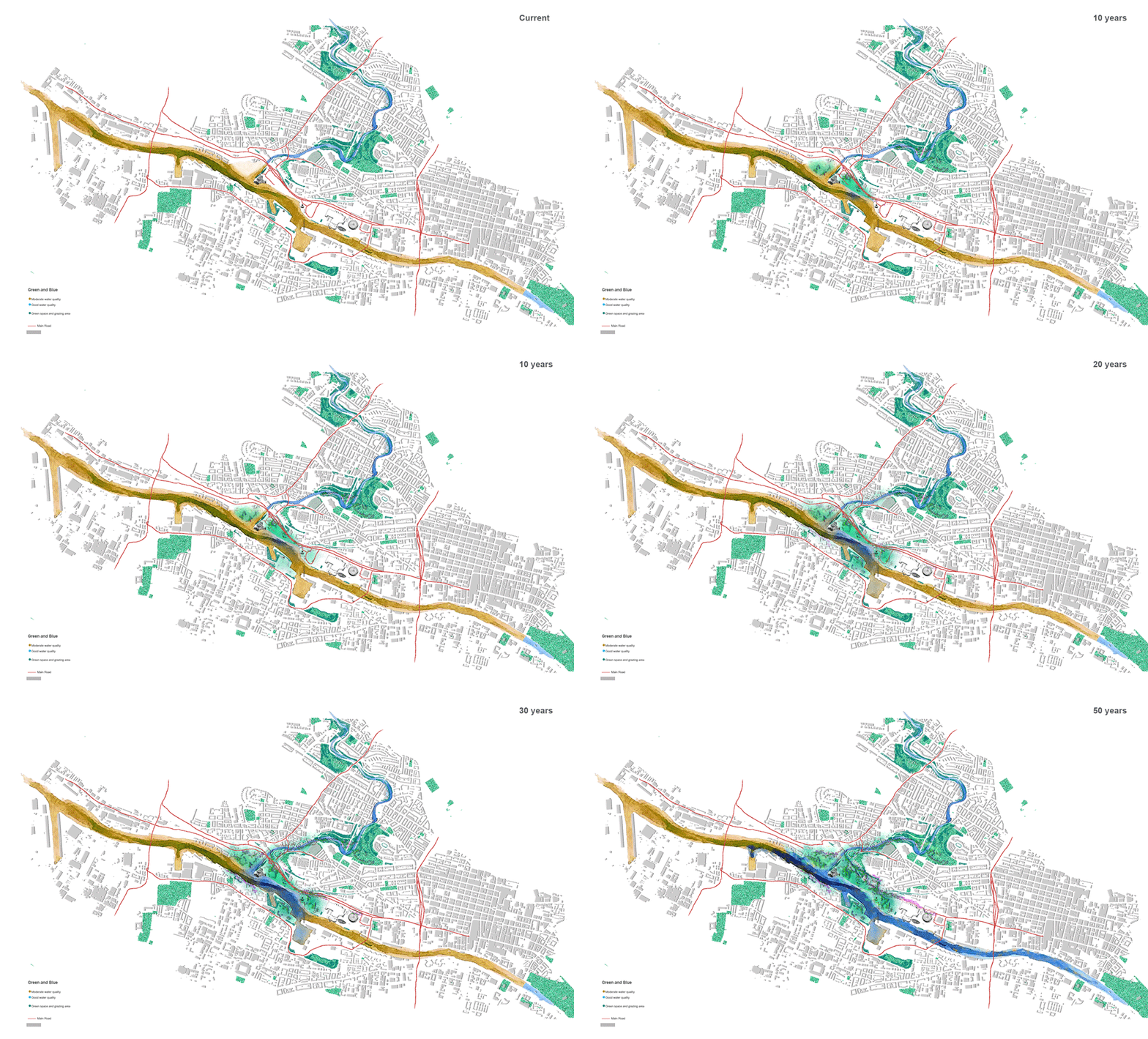
Current
New A Glass of Memory development is started
10 years
A glass of memory development settled
Producing clean water to River Clyde
30 years
Expanding green space to vacant land
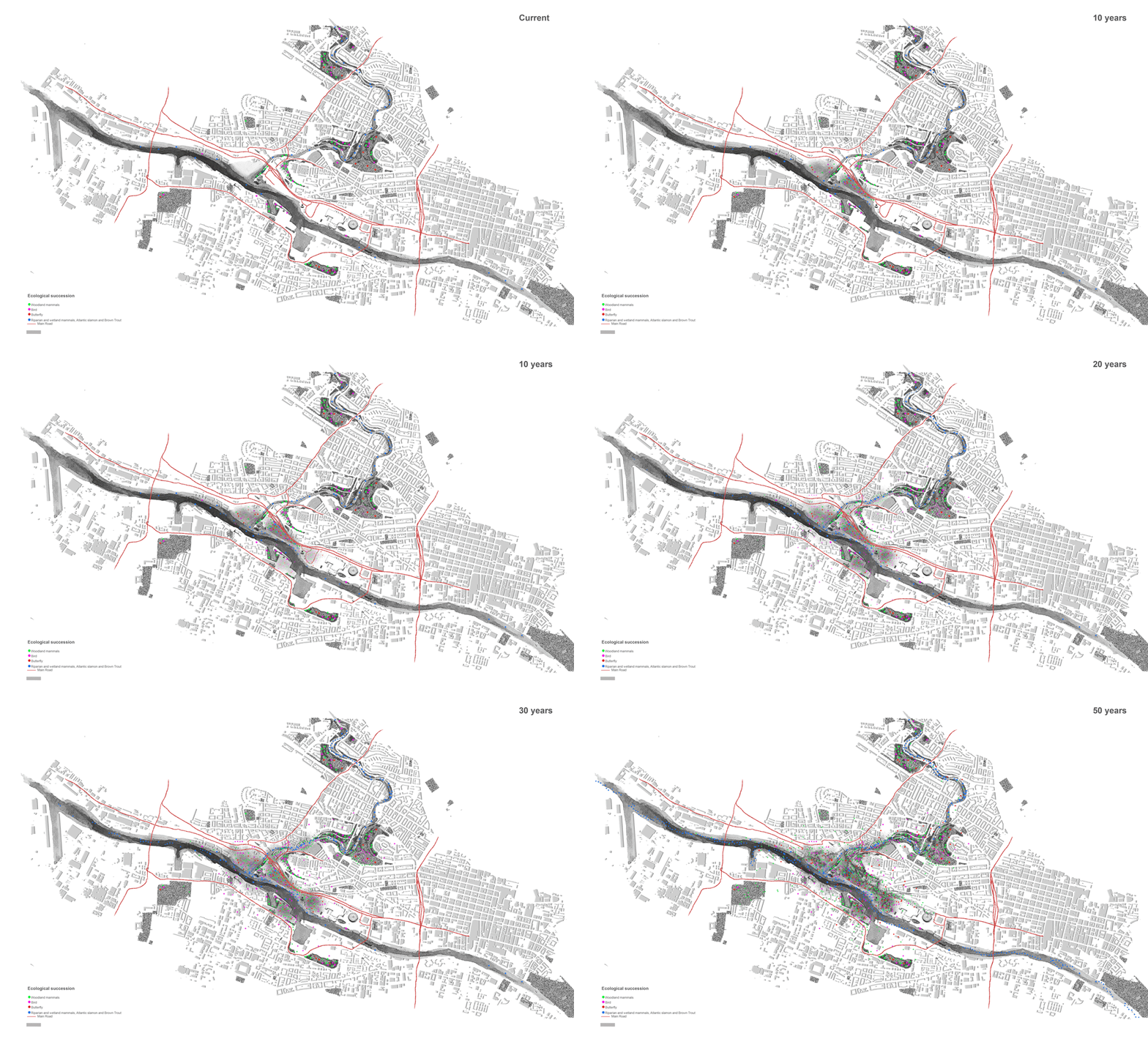
Mosaic of habitats is blending
50 years
Disused railway and A road becomes a green space
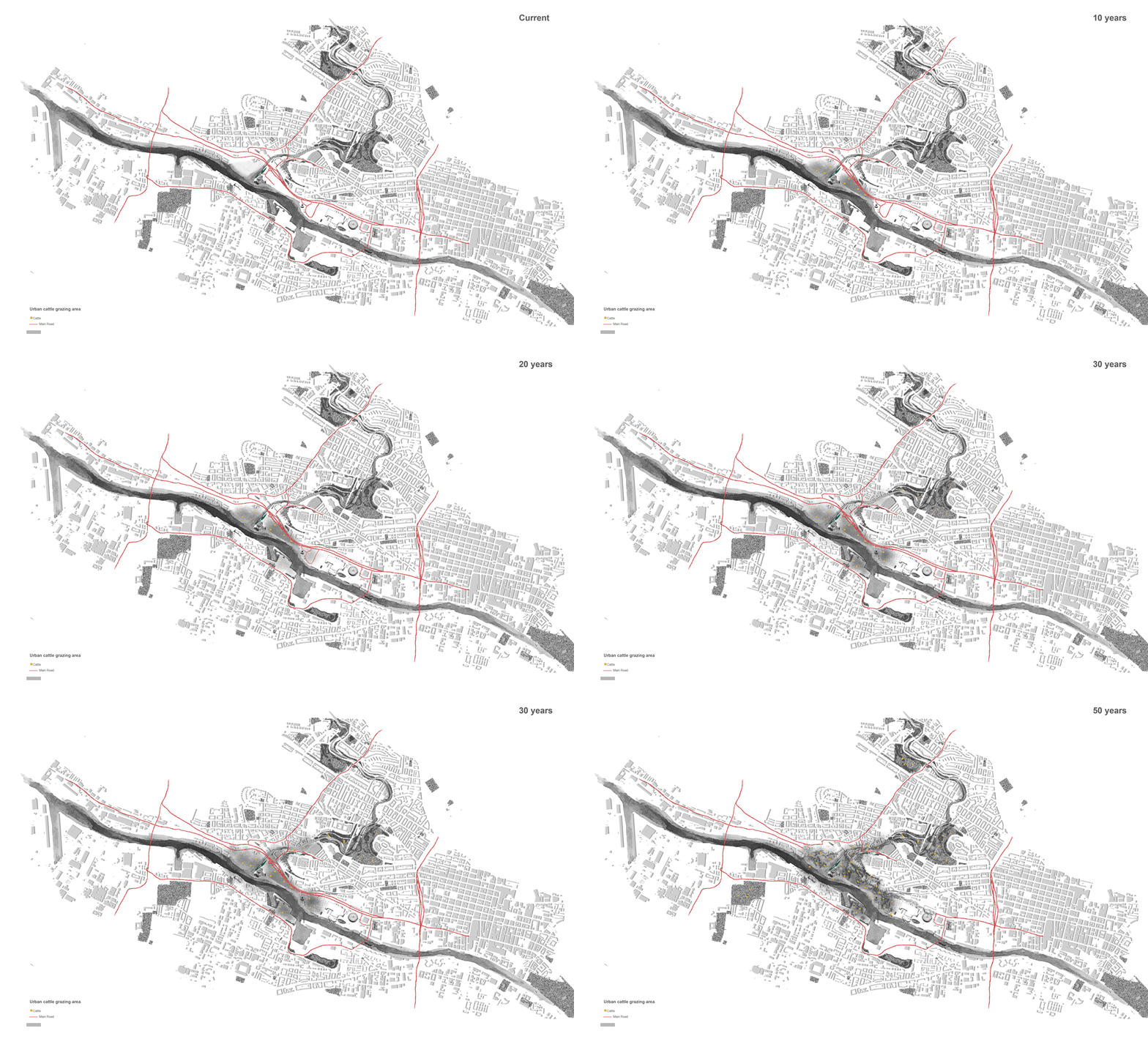
Grazing management becomes a new type of public park management policy


 /sites/default/files/2021-06/Planting%20and%20maintain%20schedule_a%20glass%20of%20memory_dear%20green%20Glasgow_SHINhana_2021_s2002093.pdf