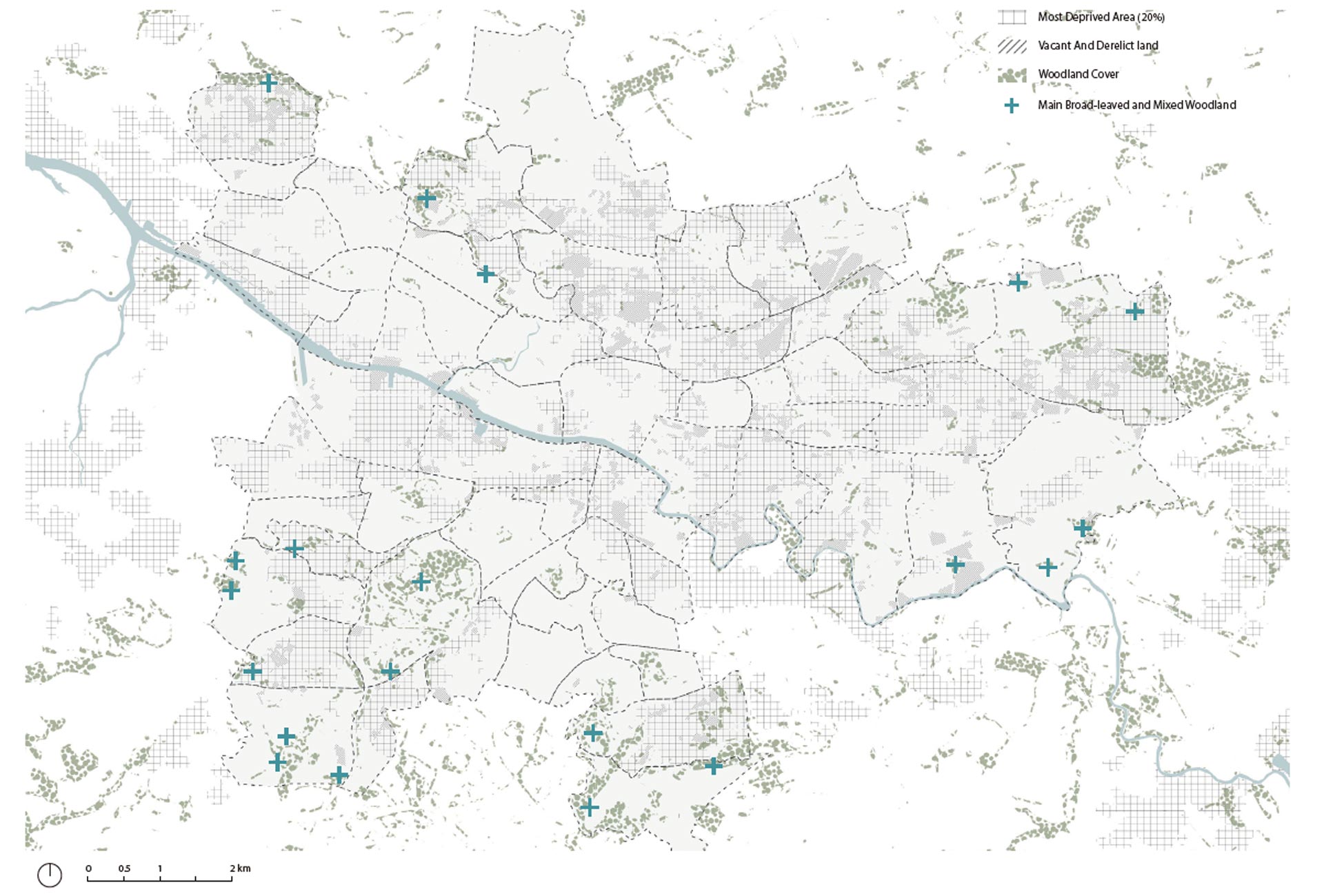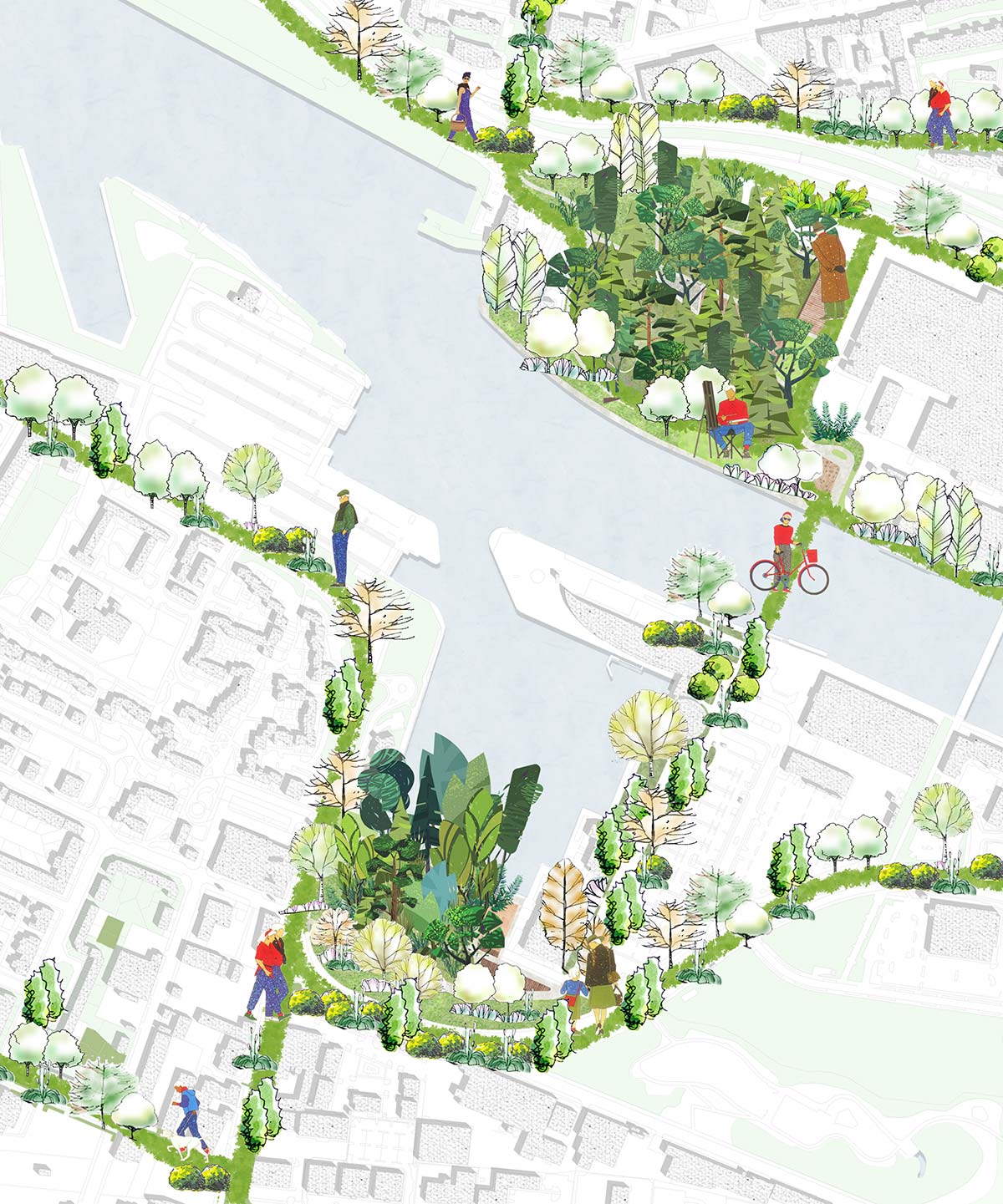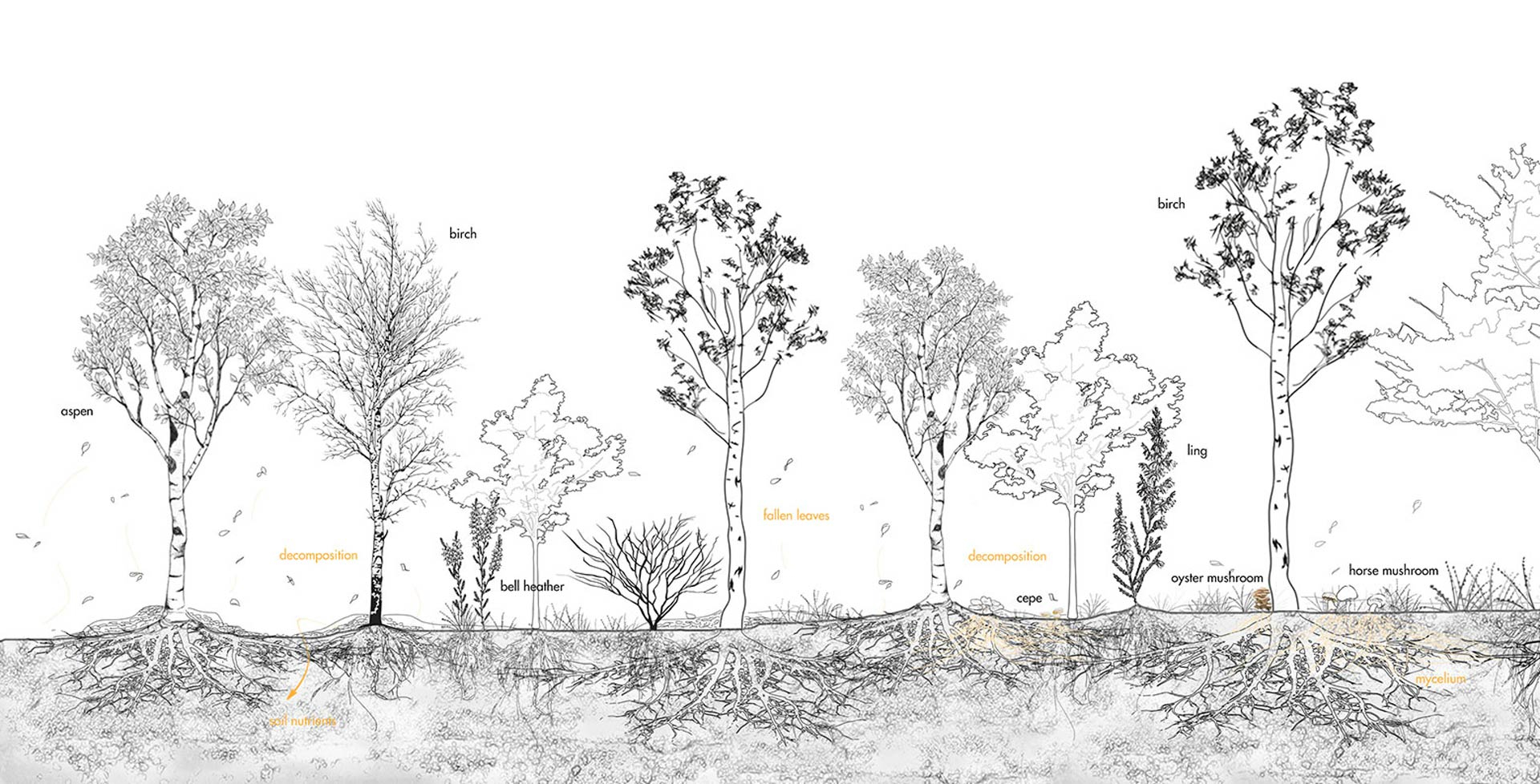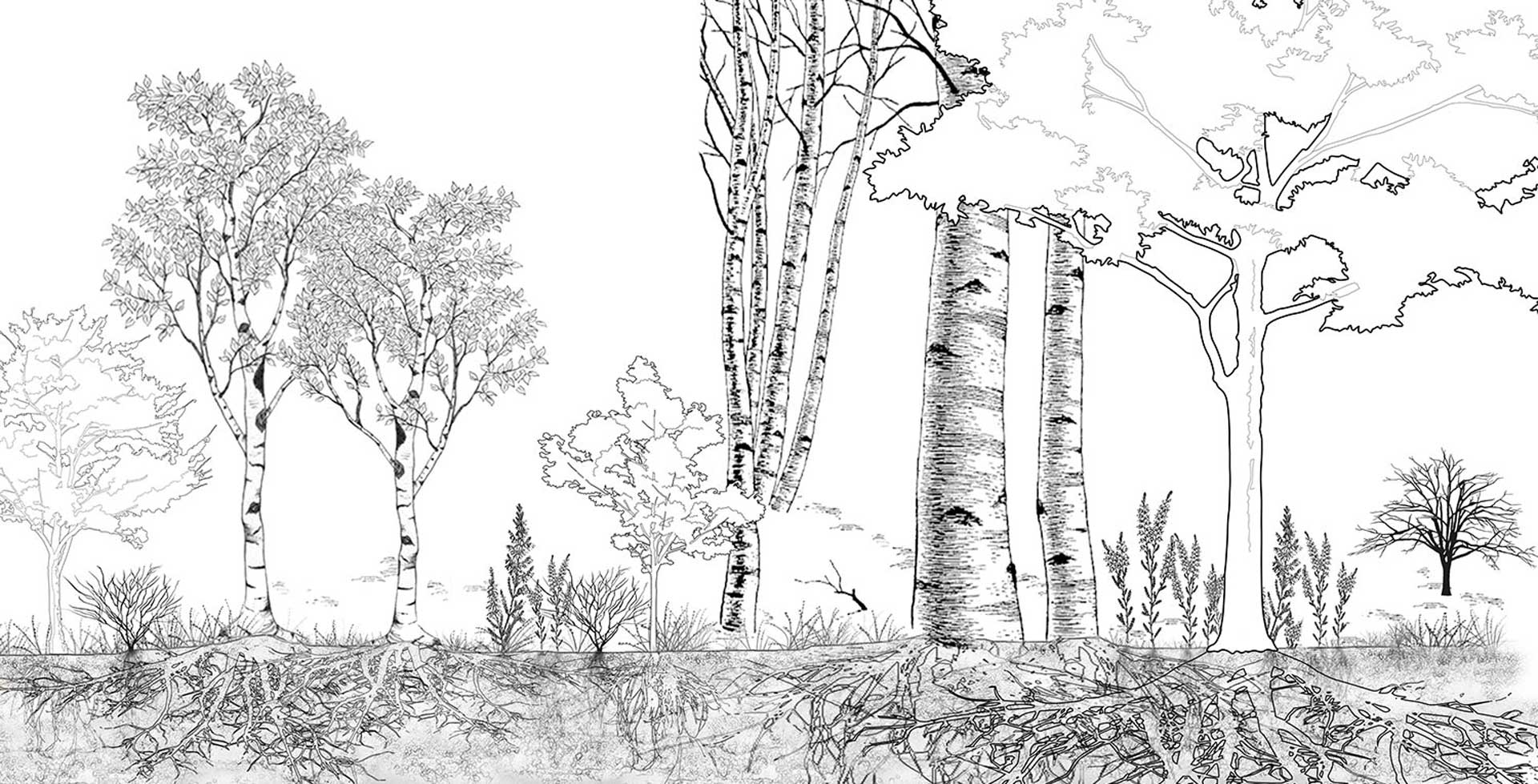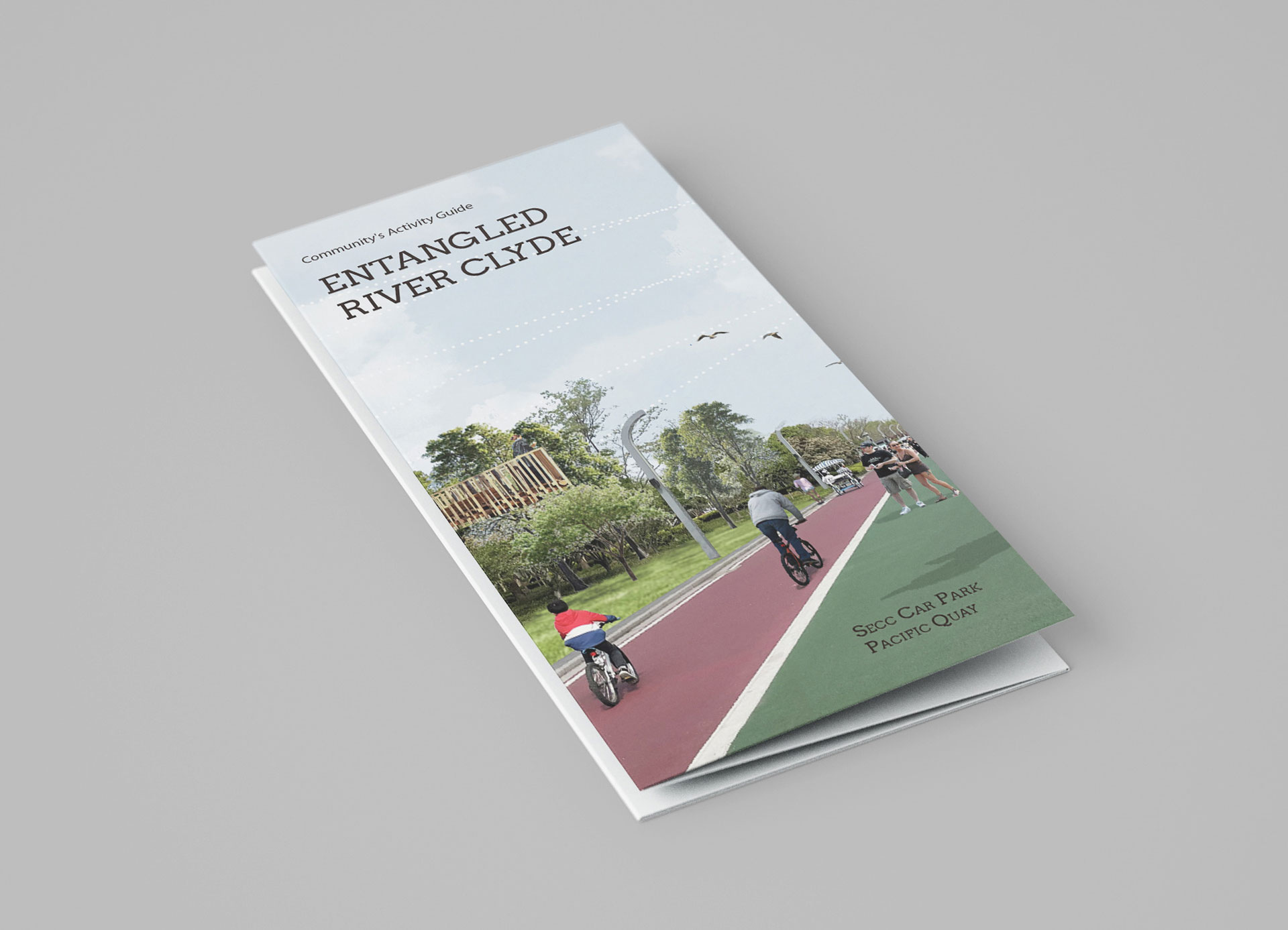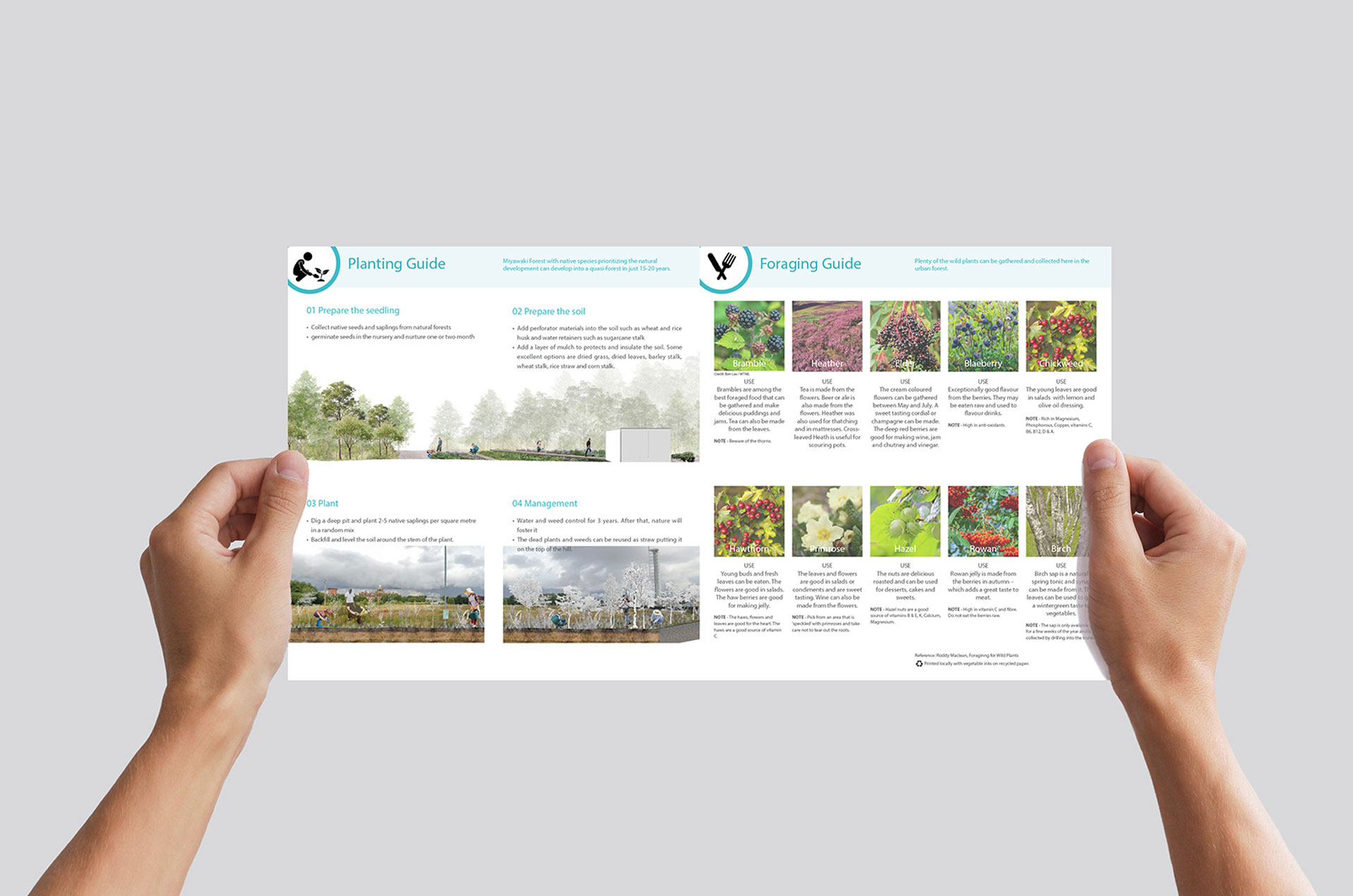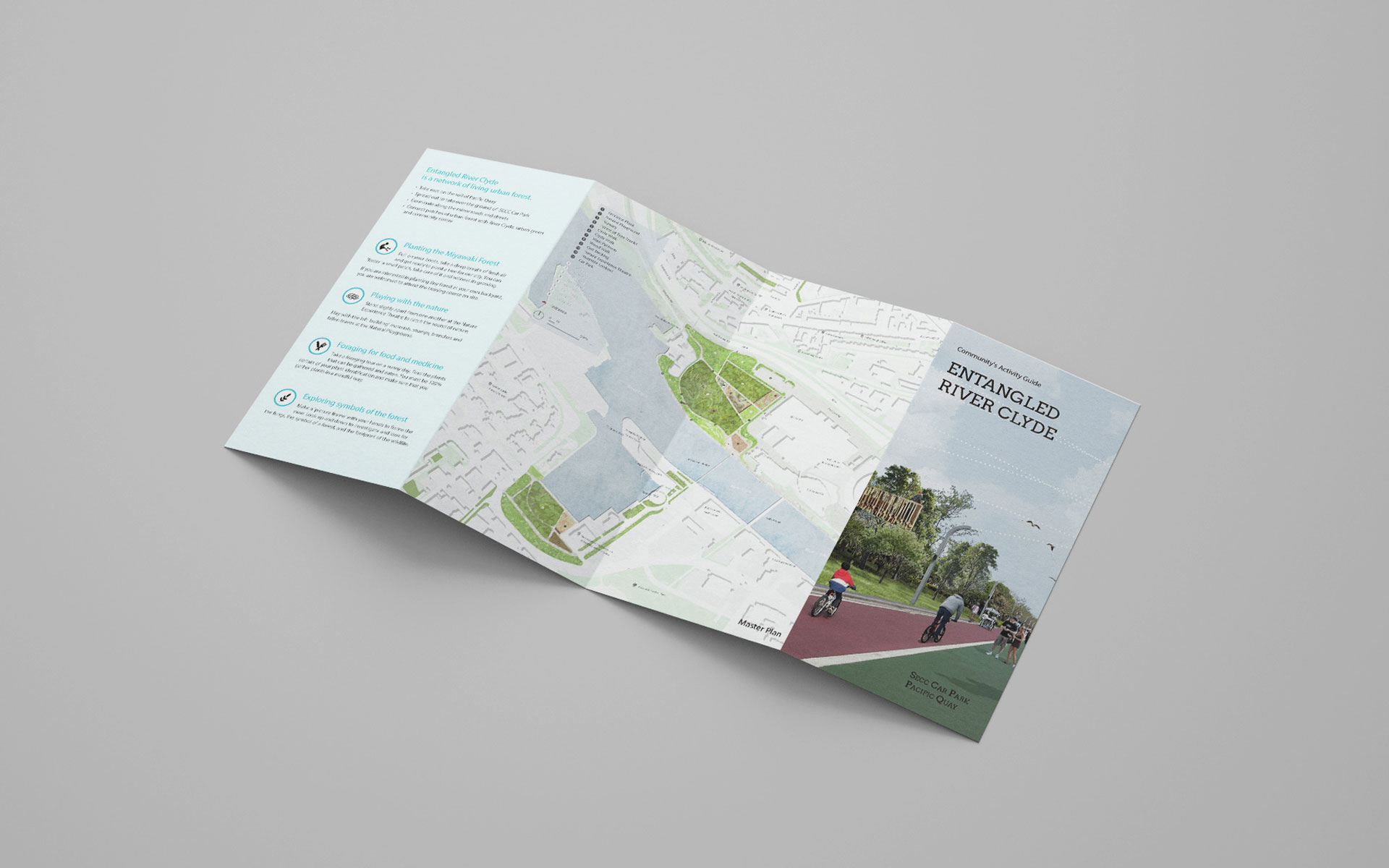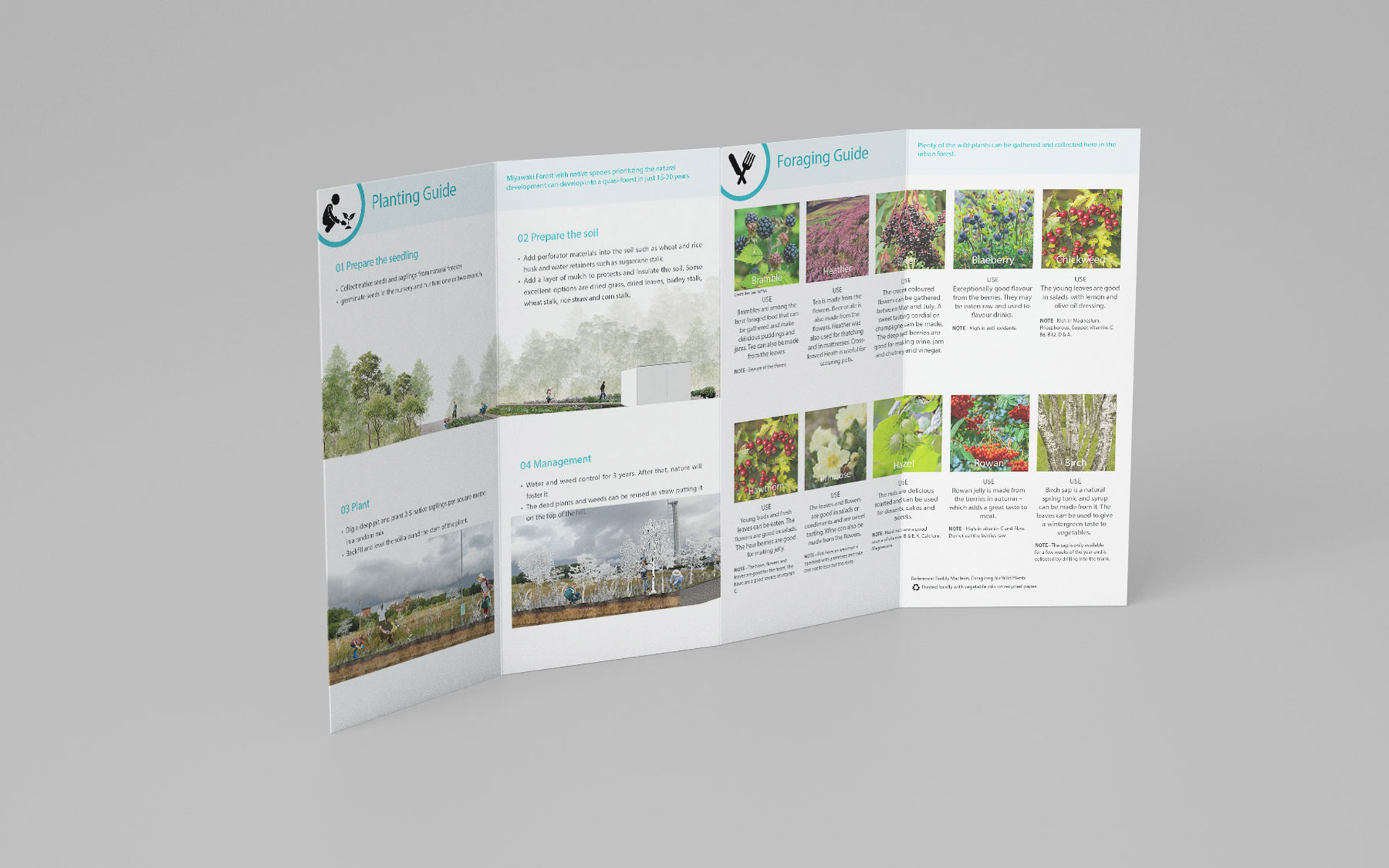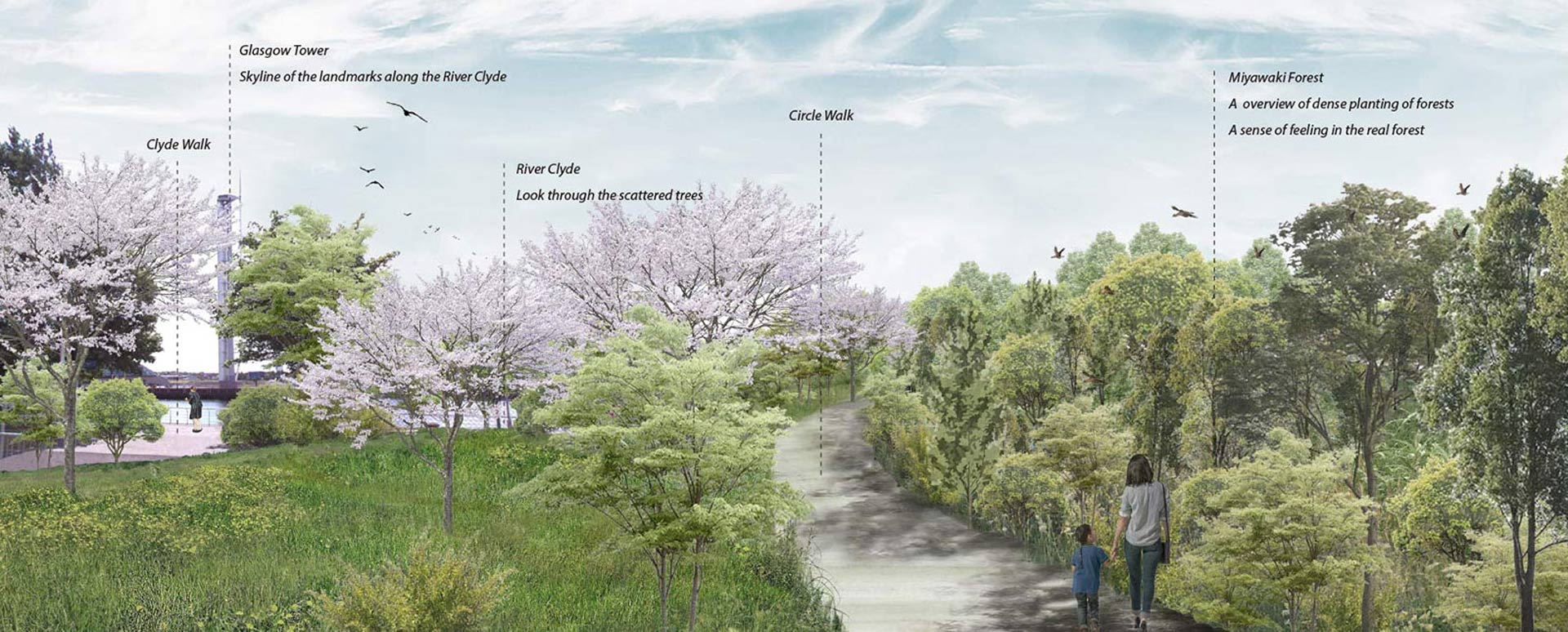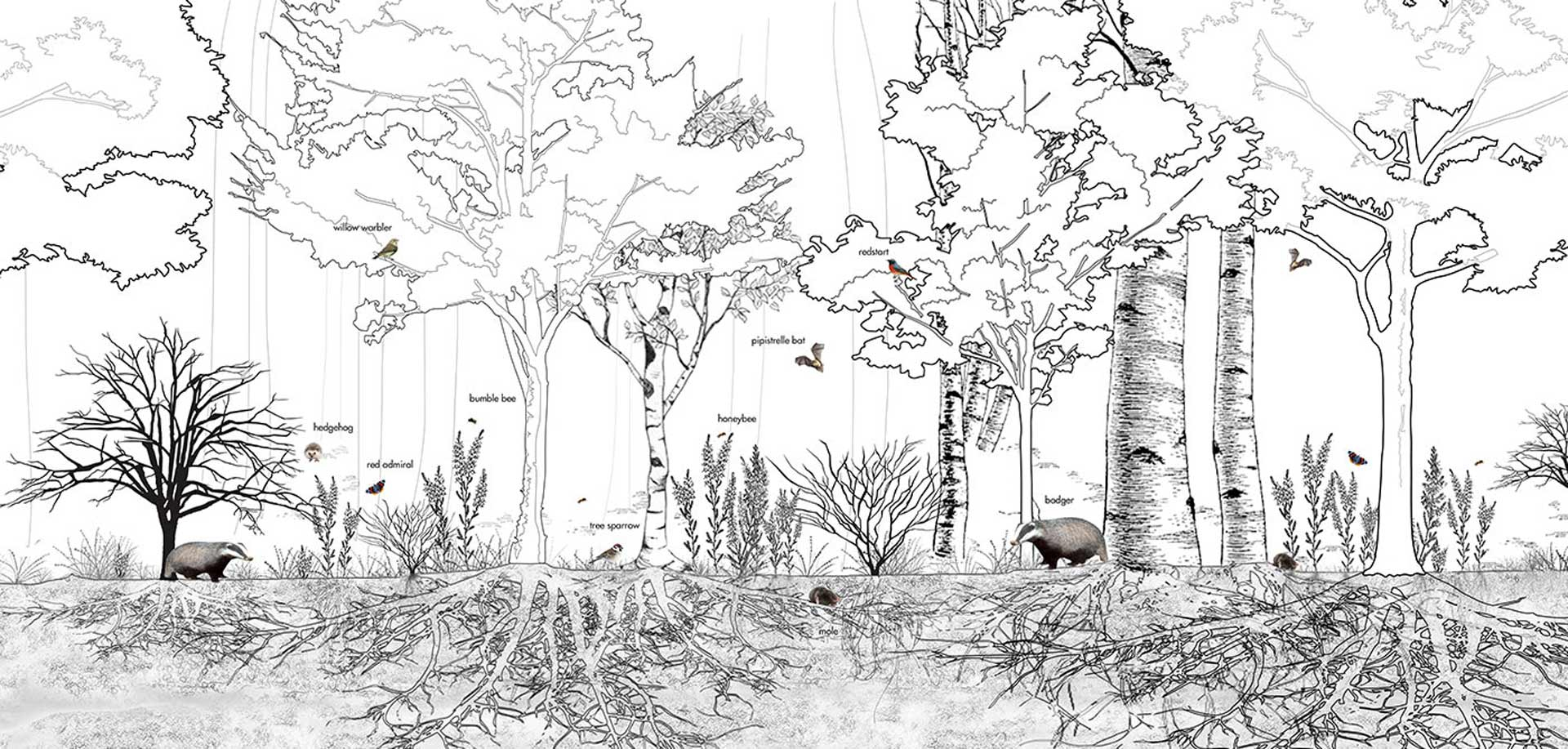

This project is inspired by the entangled roots of trees in the forest and developed into a strategy entitled 'Entangled Glasgow City'. It proposes to use the Miyawaki Forest method to plant within urban voids, potential superfluous roads and large patches of parking spaces, aiming to bring back the native woodland to the inner city of Glasgow and intertwine with human communities.
Rapid urbanisation has resulted in areas where Glaswegians are rarely in daily contact with nature and wildlife. An aspiration for urban nature guides me to reflect on the possibility of transforming vacant and derelict land into urban woodland and reestablishing local involvement. Using species of 'potential natural vegetation' and planting thirty times more densely than a typical woodland can be a compact and successful way to establish a diverse, multi-layered woodland community in just 15-20 years.
Small, dispersed urban voids can be reactivated by planting woodlands inspired by the Miyawaki Forest method. These woodlands would serve as accessible nature in urban space, a magnificent supplement to open space as well as an essential composition of urban ecosystems to fight climate change. As the woodland germinates and spreads out like the root system of a tree, it can grow into an interlinked network providing significant ecological services and green amenity values.