
- Skilled at Rhino, Grasshopper, Lumion and Photoshop
- Silver award in the 2017 Garden Cup plant landscape design competition
- Chinese Intermediate Florist Certificate


Yuezouyi Guan
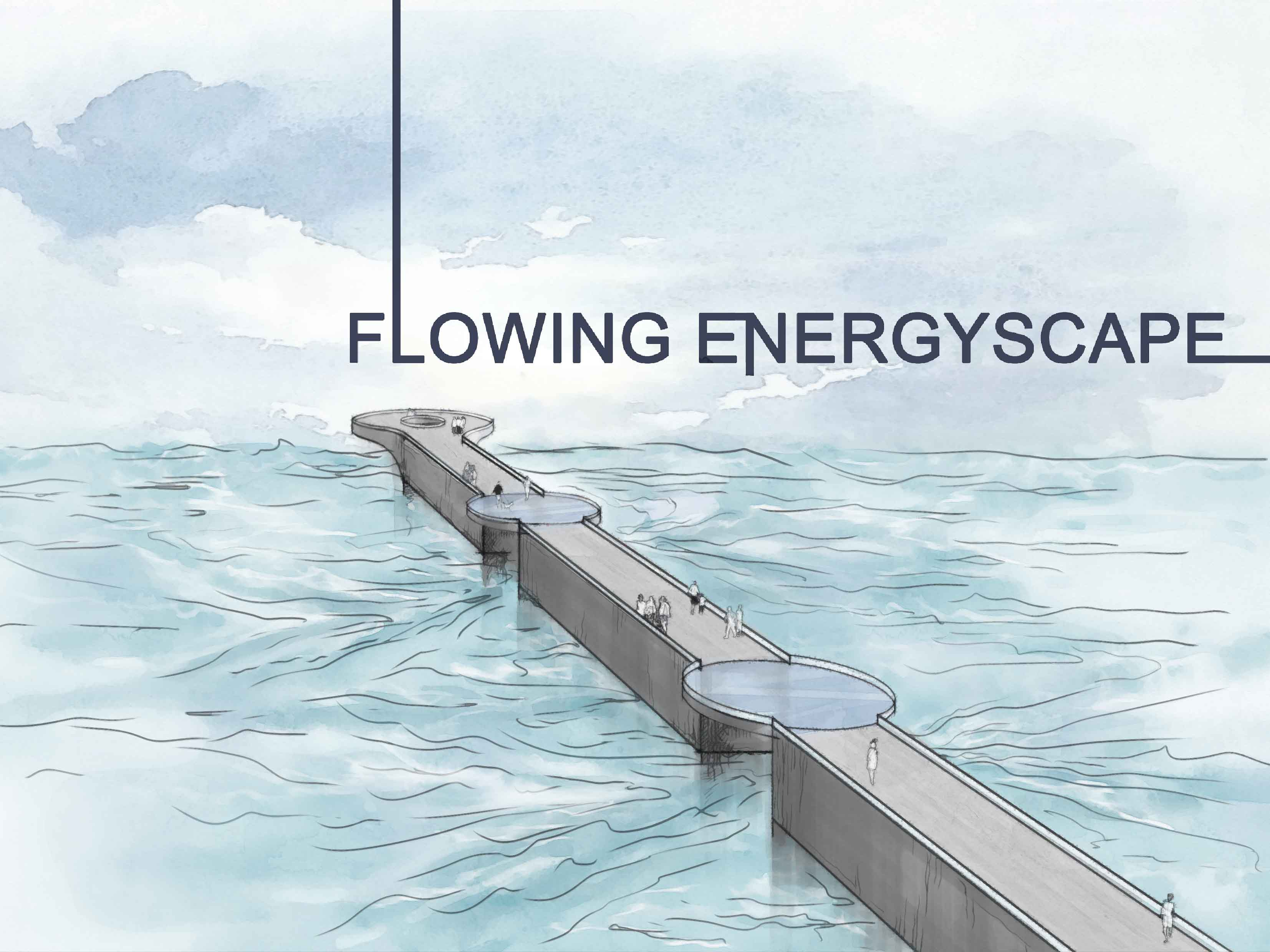
FLOWING ENERGYSCAPE
Follow:

Skills & Experience

Project description
With the growing demand of energy, our society is becoming an energy Anthropocene. Energy affects the culture, industry, economy, and even politics of a country. However, it results in a series of environmental problems, such as global warming and marine pollution at the same time. The transition from fossil fuel to renewable energy is used to retard the phenomenon. Under this trend, how to balance the artificial energyscape (including brownfield of fossil fuel industry and current energy generation landscape) and nature landscape becomes a topic.
Cromarty Firth is a unique place with plenty of human and non-human elements including historical sites, special protection areas, and natural landscapes.
From1970s, because of the exploration of undersea oil, this place has attracted the attention of capitalists seeking fossil fuel. Thus, it brought a series of problems to the local environment and local people.
Site Choosen
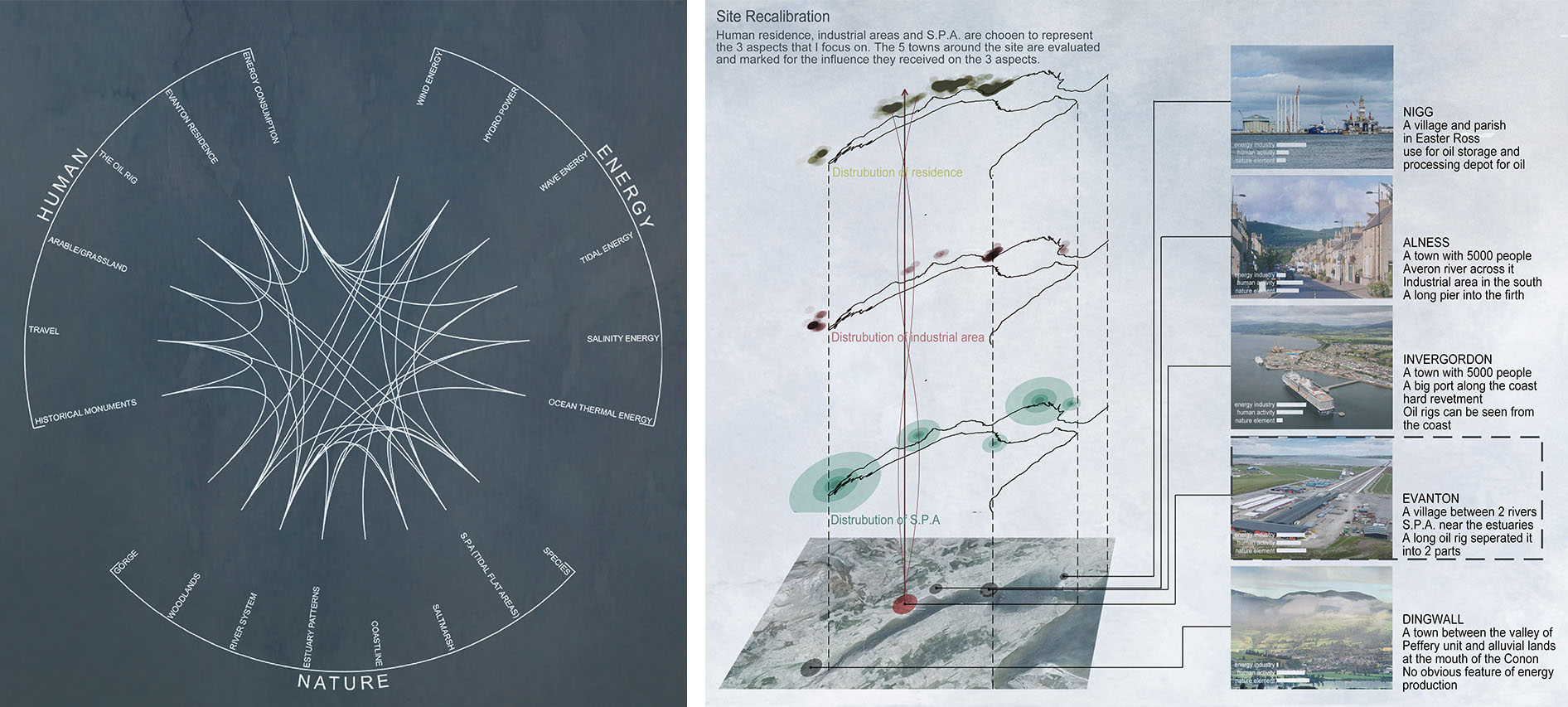
Human, Nature and Energy are 3 important elements in Cromarty and continue to affect local life, economy, landscape and ecology. After a series of evaluate, Evanton becomes the site that I set my sights on because the 3 elements all have equal and significant influences on this small town with a population of 1000.
Recalibrate
Problems
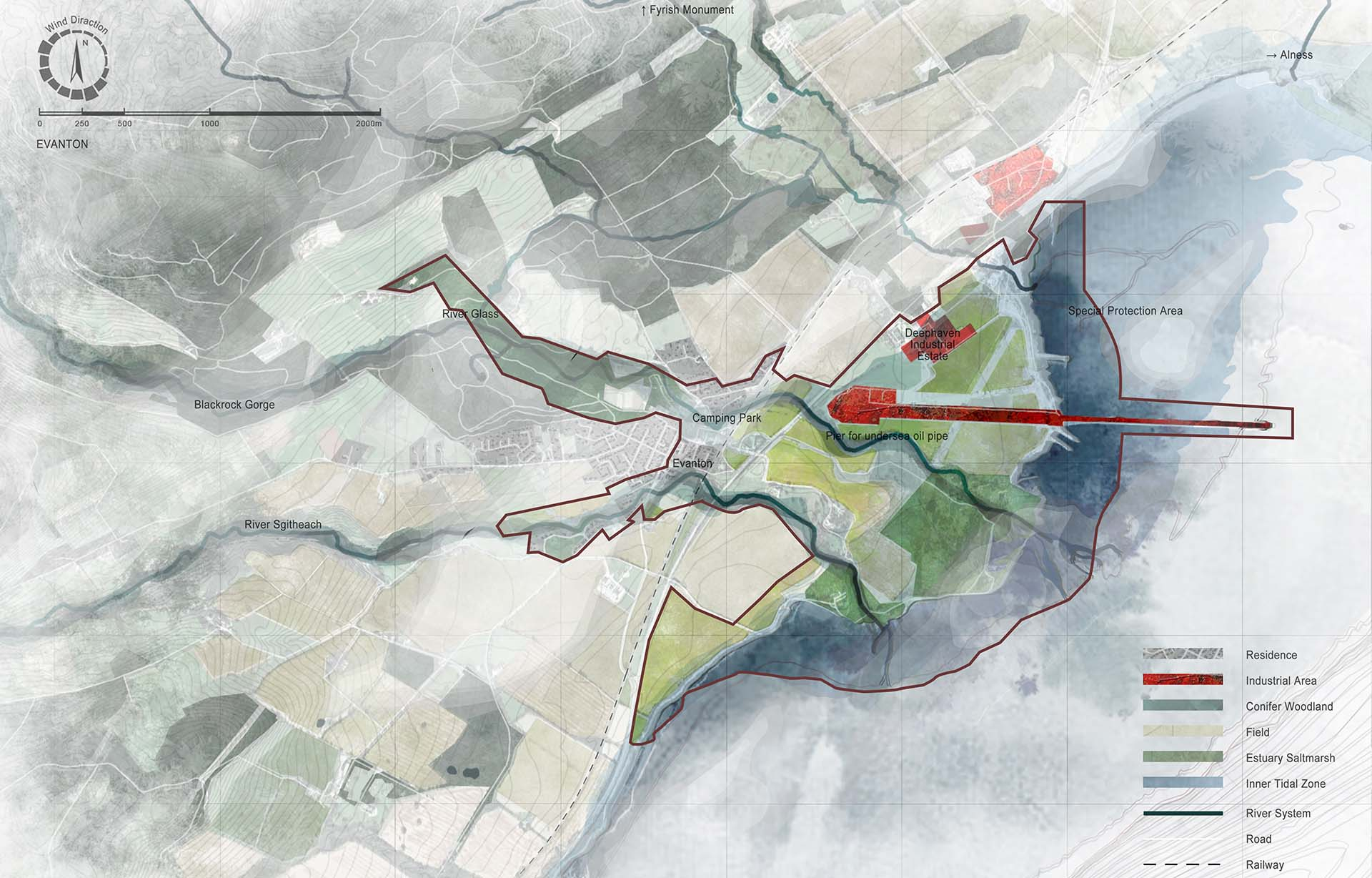
The existing problems at the site included the inability of the artificial plantation to stop the flooding, contamination caused by human activities, estuarine erosion and the impact of the pier on the Special Protection Area.
Dynamic Process
A dynamic solution process for on-site energy pollution and estuarine energy erosion is proposed.
Master PLan
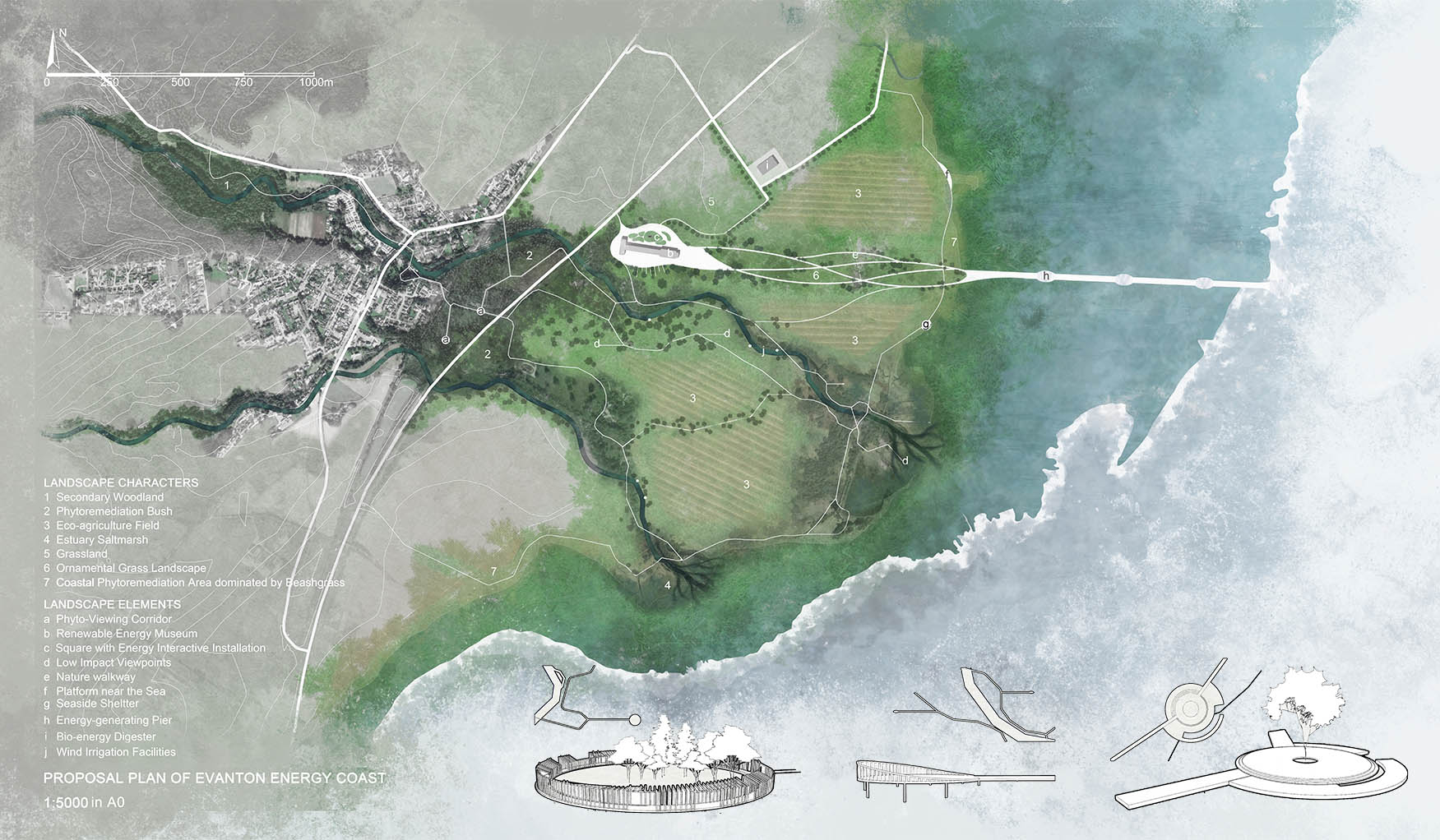
The plan can be separated into 2 parts: the pier and the 2 rivers.
While the travel experience of the pier gives people more artificial feelings including energy generation and the museum, the river has a more natural landscape and aims at recovering human activities on energy extraction.
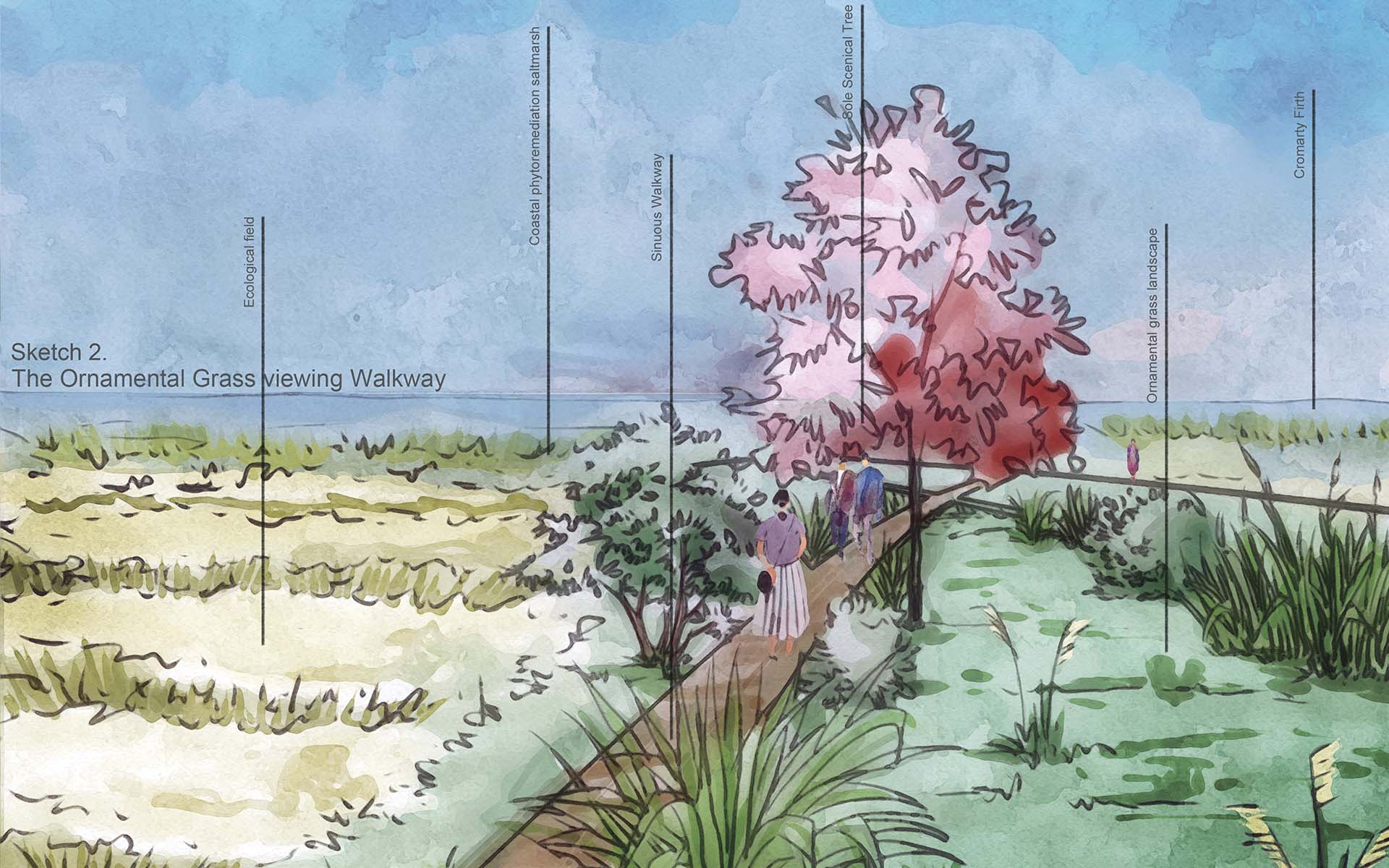
From west to east, the view of the park is from close to open by using different plants and artificial structures.
Detail Design of the Pier
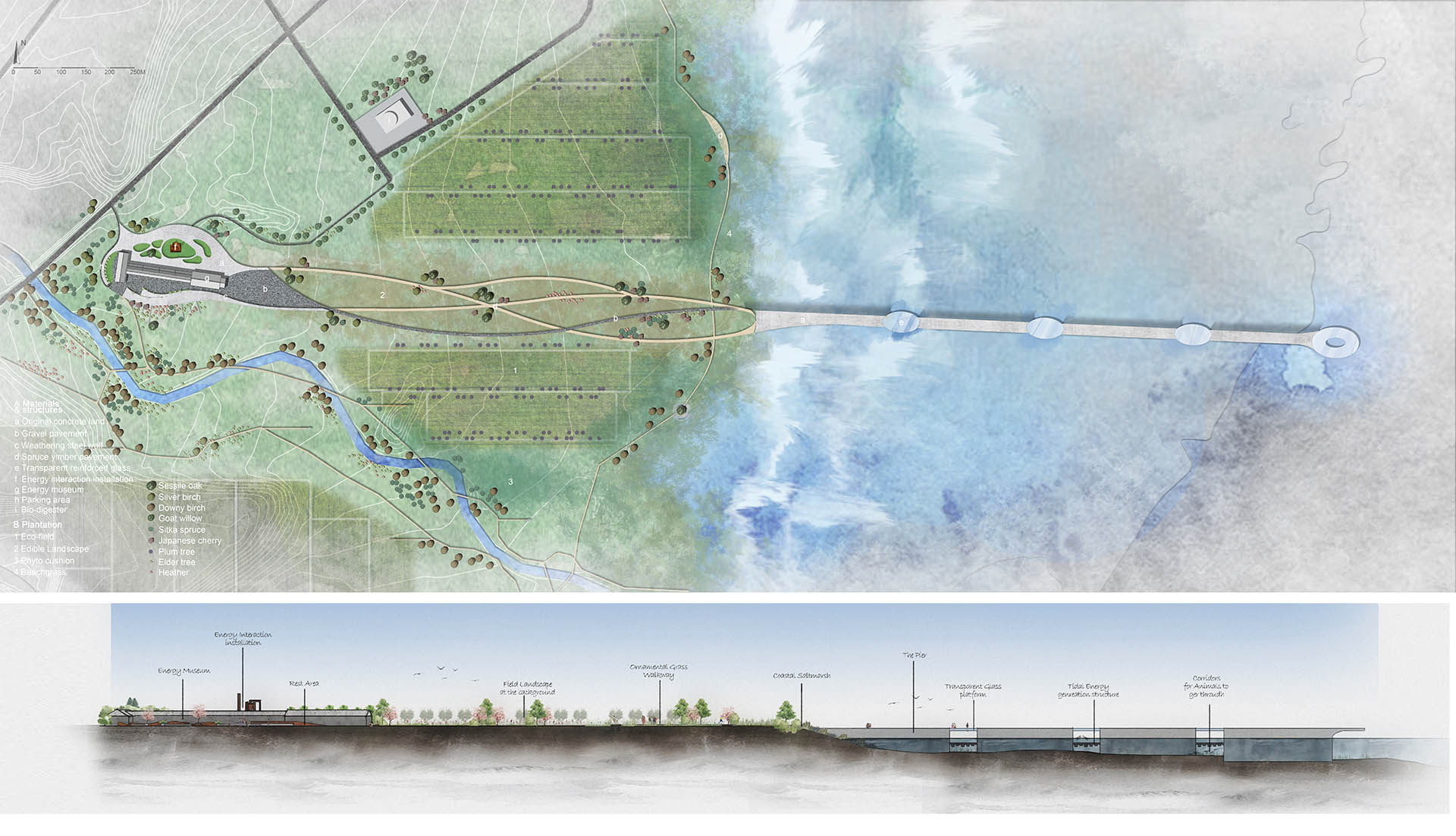
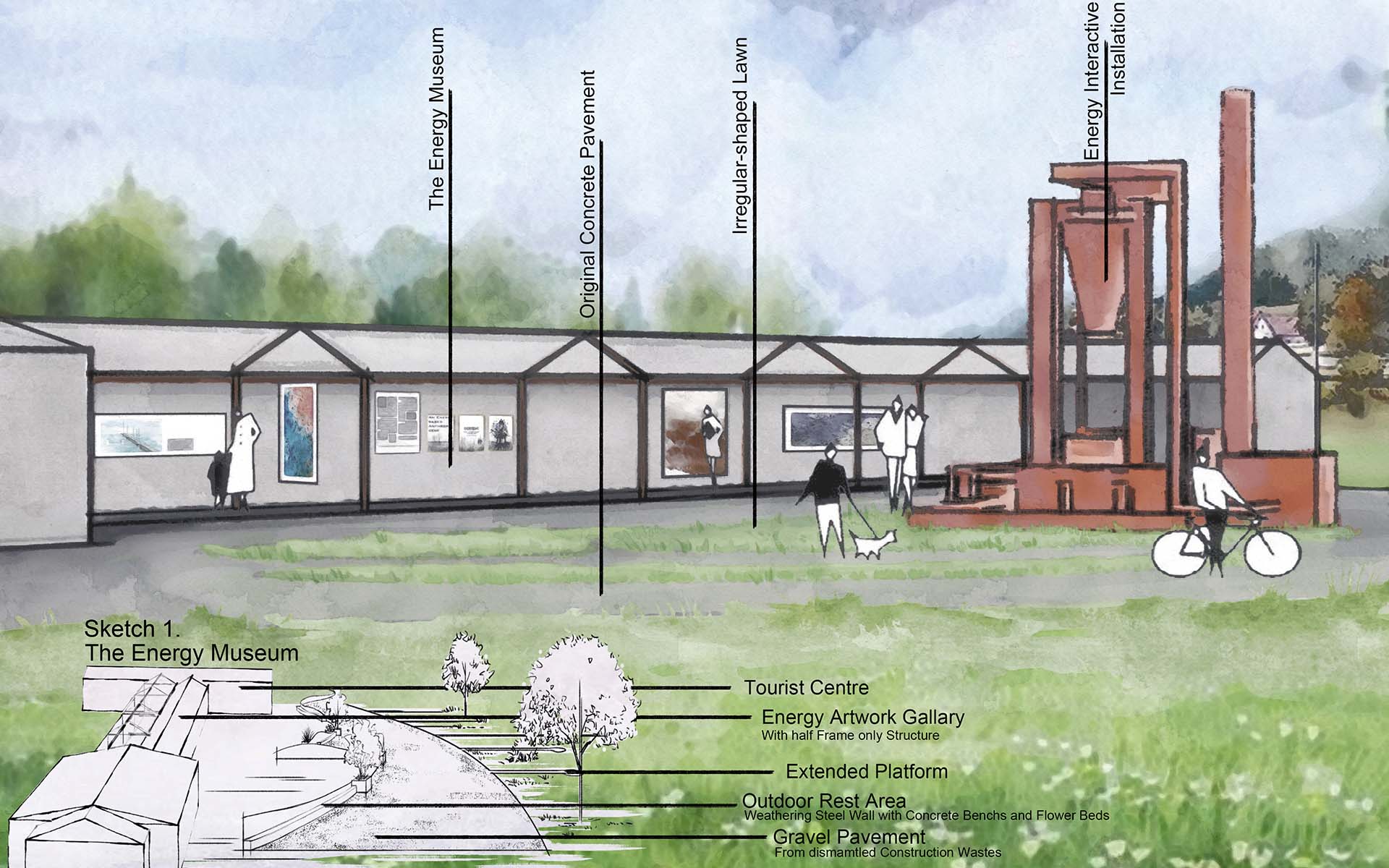
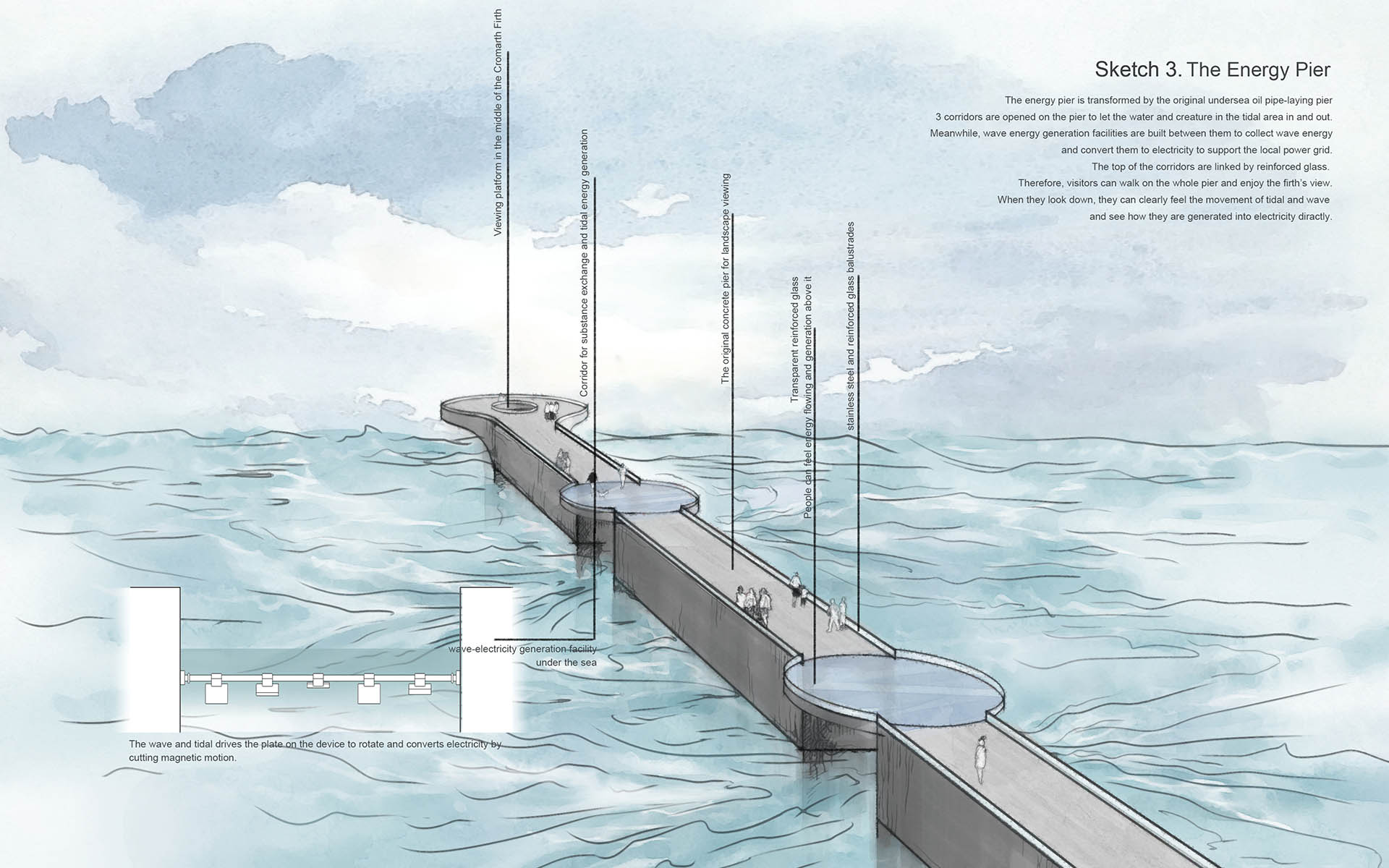
Transform the industrial pier into a viewing line with different functions. The factory building at the beginning of the pier is transformed into an energy museum and tourist center. An energy interaction facility and benches for rest are settled on the big square. Between the square and the sea part of the pier, there are several walkways with tall ornamental grass landscapes. They are mainly gramineous and merge into the field landscape at the background very well. The sea part of the pier was made 3 gaps for seawater and marine creature to get through. A tidal energy generation structure is built beneath the sea to generate the electricity from the tidal energy accelerated by the narrow gaps. The top of the ‘corridors’ are linked by reinforced transparent glass that allow the visitors to walk on. When they look down from the pier, they can clearly feel how strong the marine power is and how they become electricity. The electricity generated from the pier supports the operation of the whole museum and will support the local grid.
Detail Design of 2 River Basins
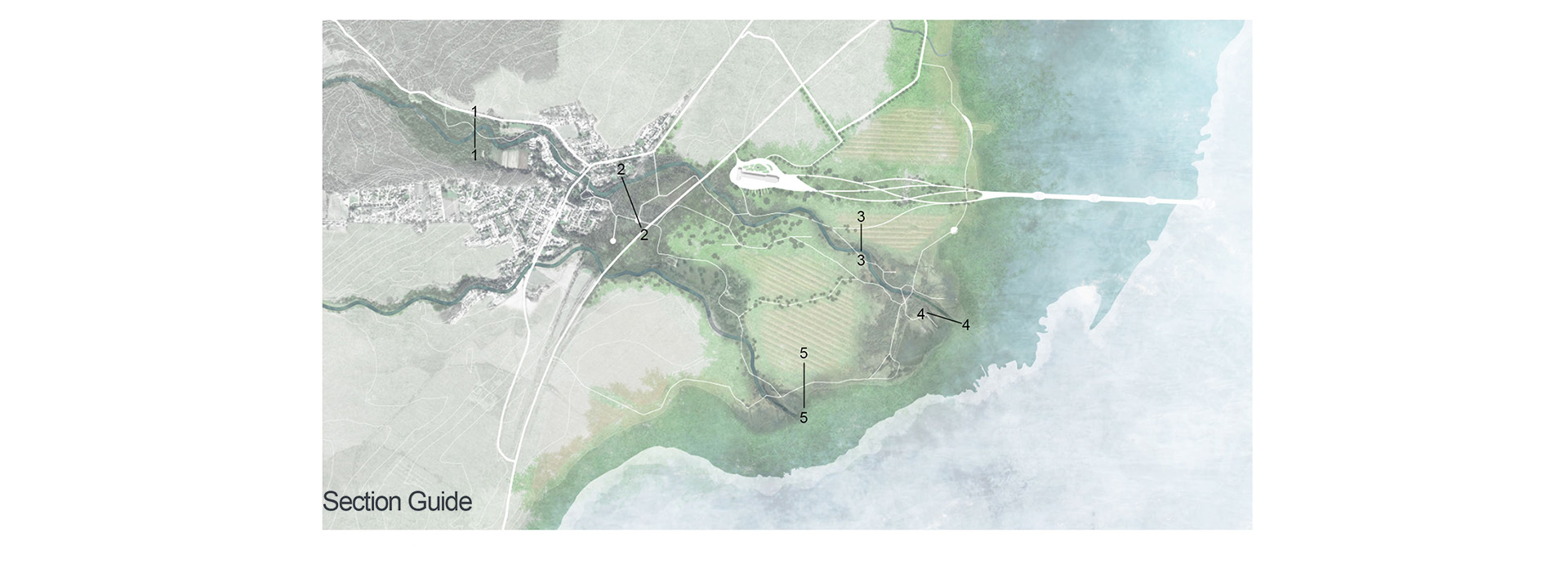
1. Upstream Secondary Forest
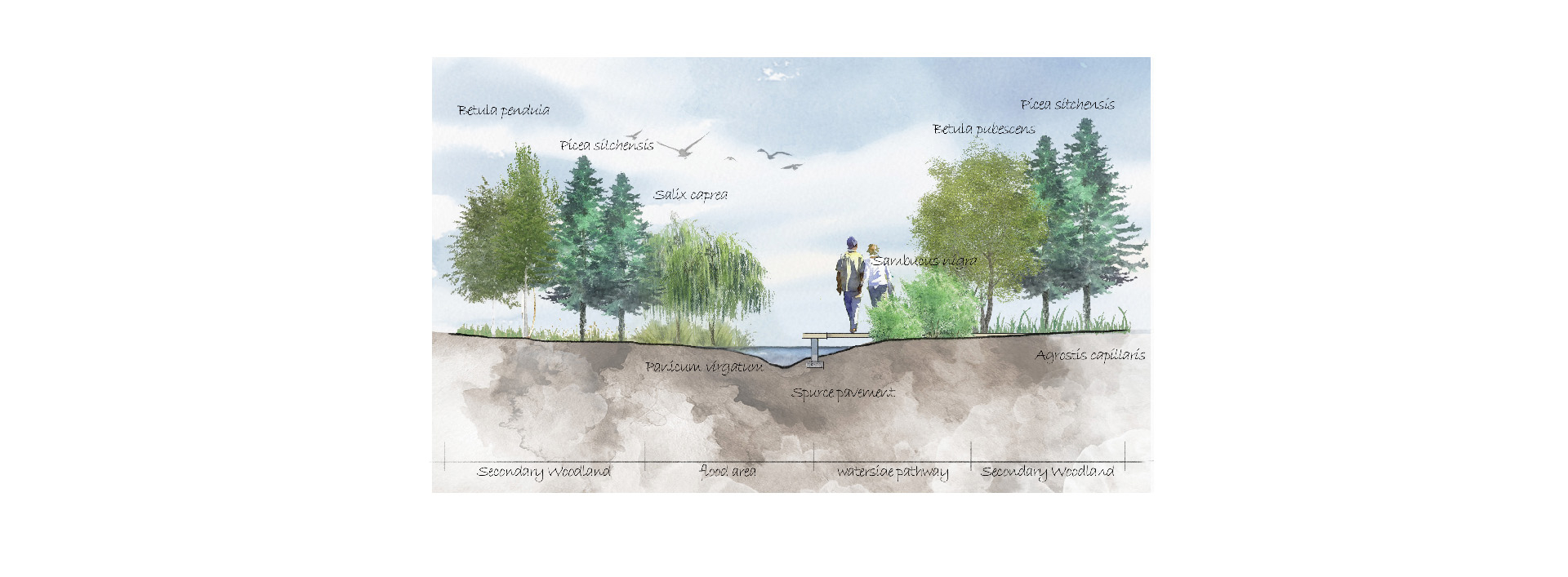
Use local tree species instead of economic spruce woodland for bio-diversity and provide more space for local creatures.
A large amount of water-tolerant trees, shrubs, and vegetation are used around the river to prevent flooding problems.
2.The Phytoremediation Area
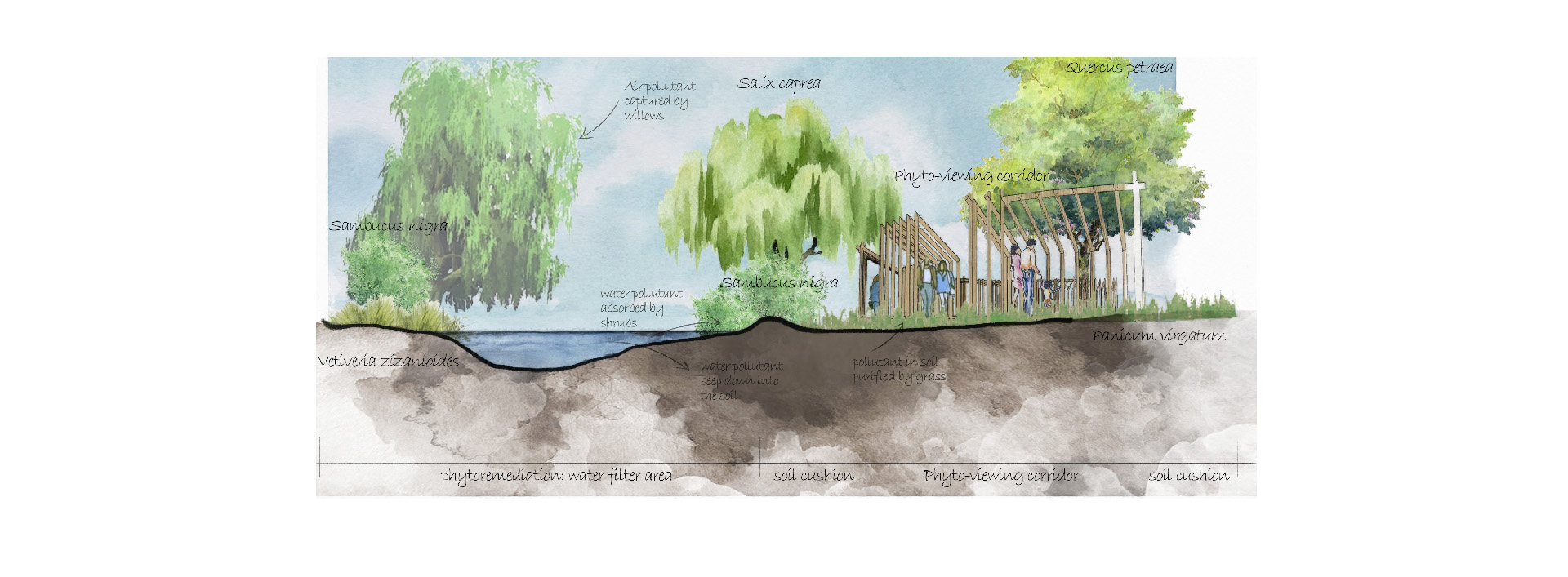
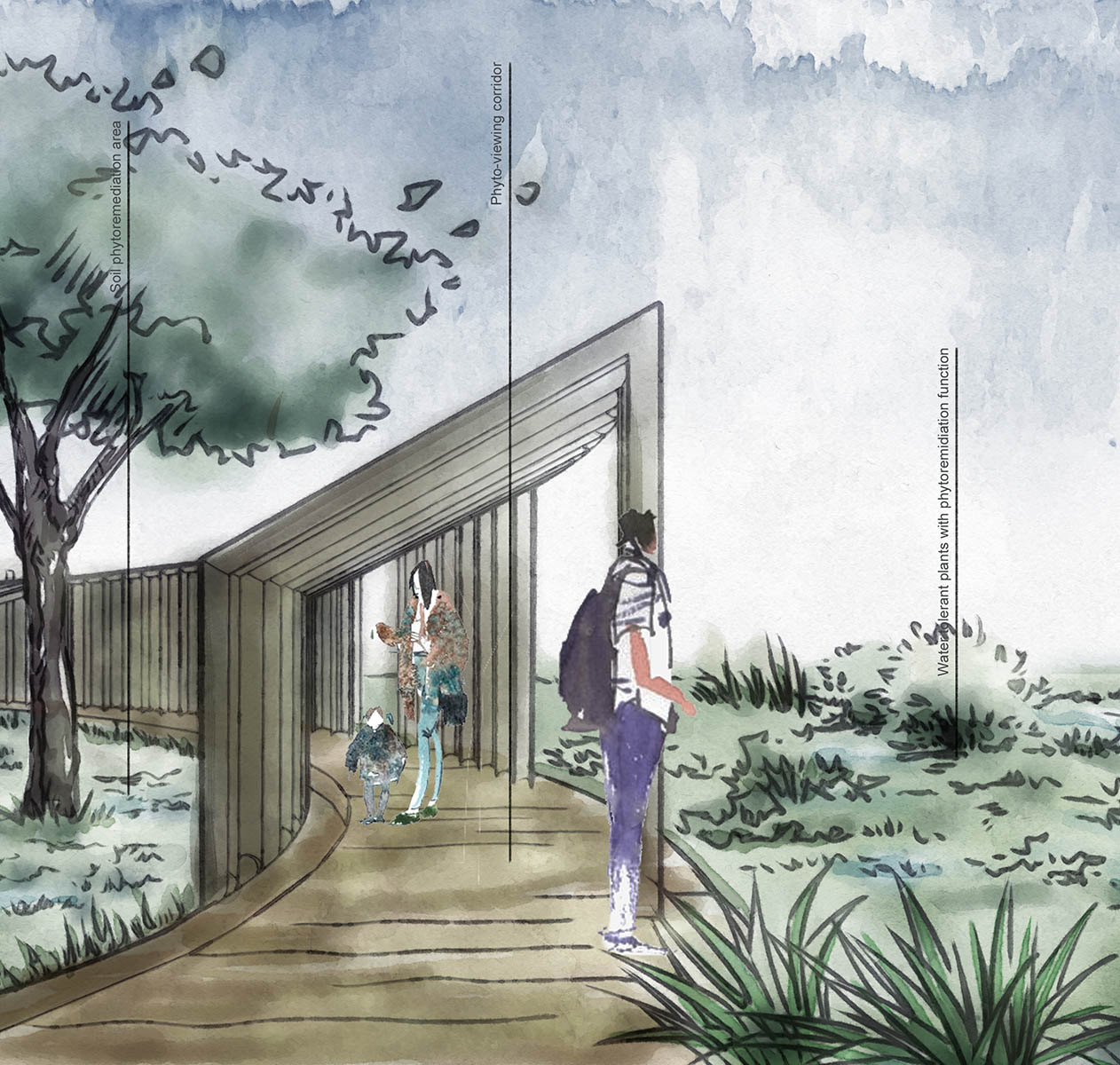
Different plants are used for pollutants in the water, soil and air according to their characteristics.
A viewing corridor is built for visitors to explore this phytoremediation process.
3. The Eco-Field
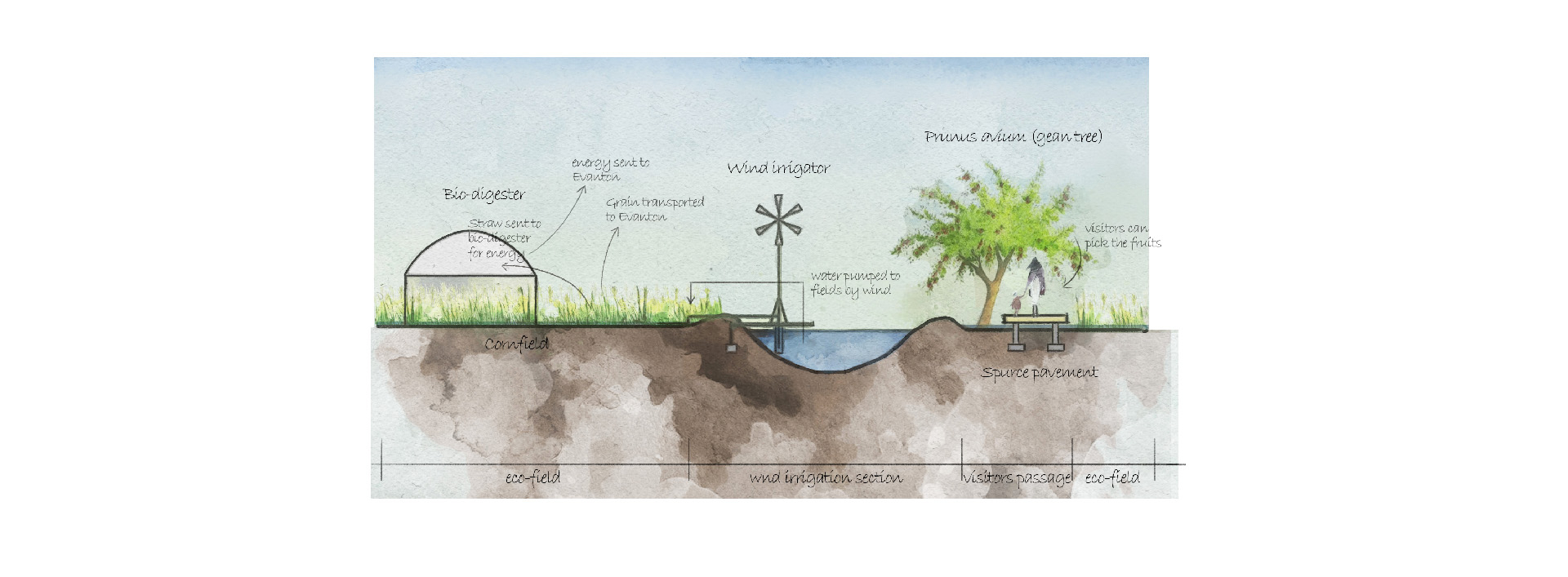
The eco-field is based on various crops that coexist with each other.
The wind power drives the irrigation of the field, and the wastes are collected reused by bio-digester. Crops and biofuels are being supplied to the locals in order to achieve self-sufficiency under the new energy framework.
4. Estuary Recreation
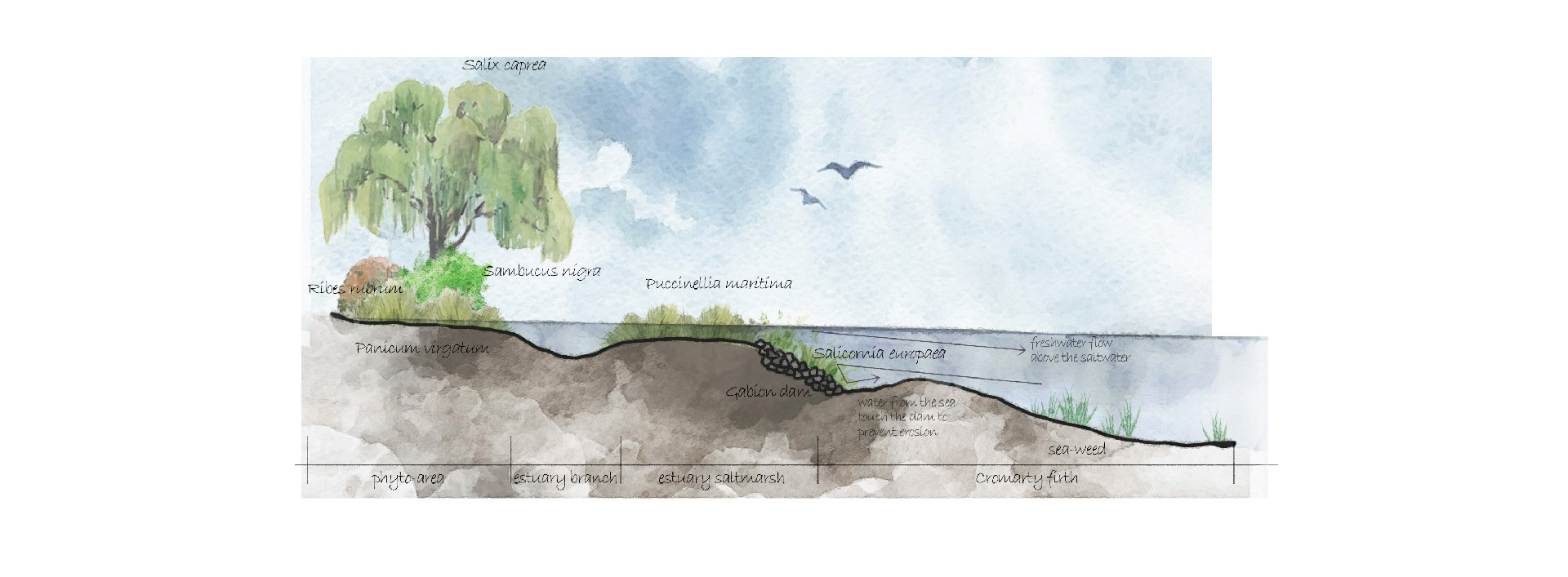
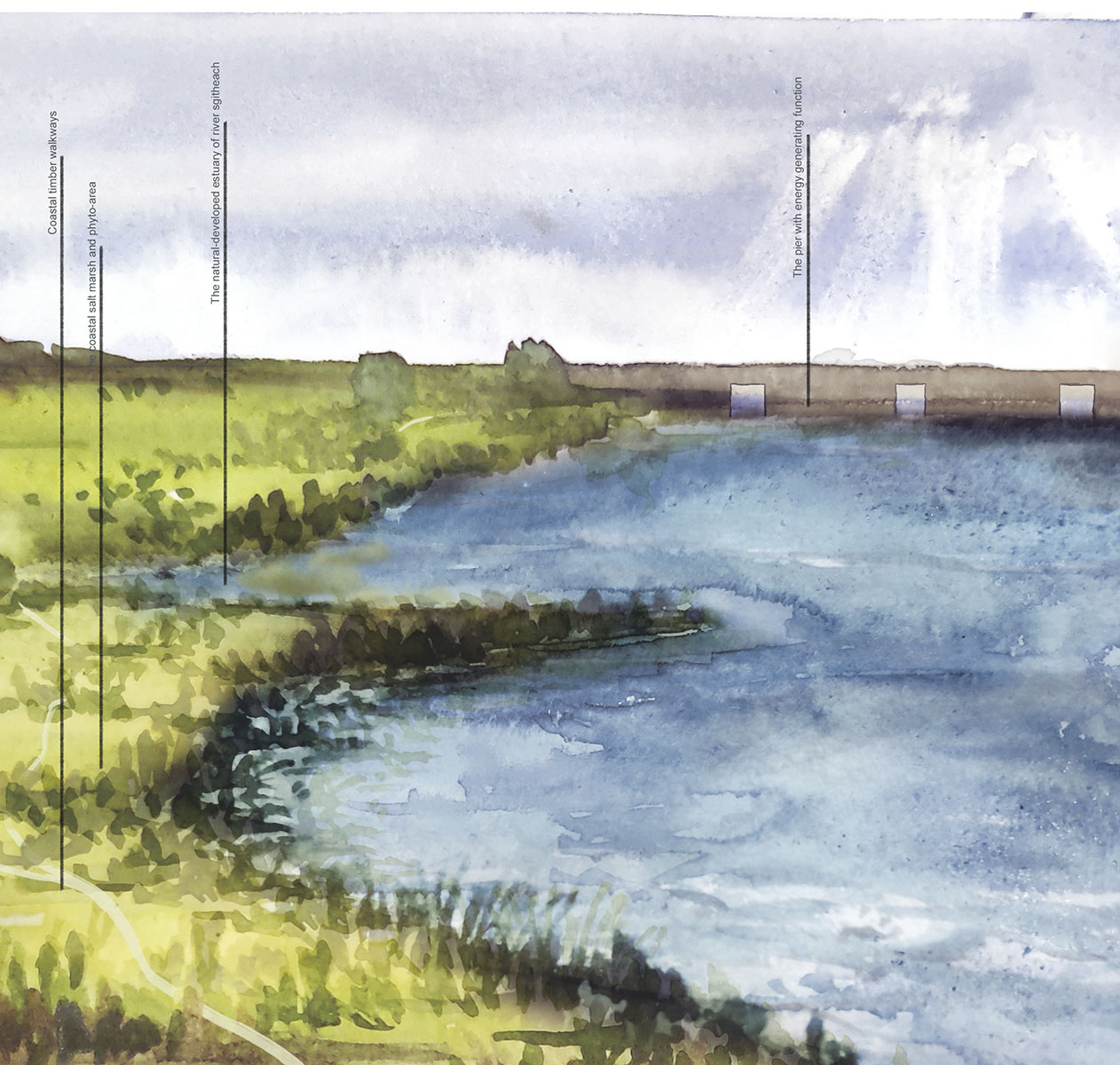
Gravel of construction from the site are used to strengthen the bank to prevent tidal erosion in this unique estuary environment.
Meanwhile, this loose structure provides suitable habitat for coastal plants and animals.
5. Coastal Saltmarsh
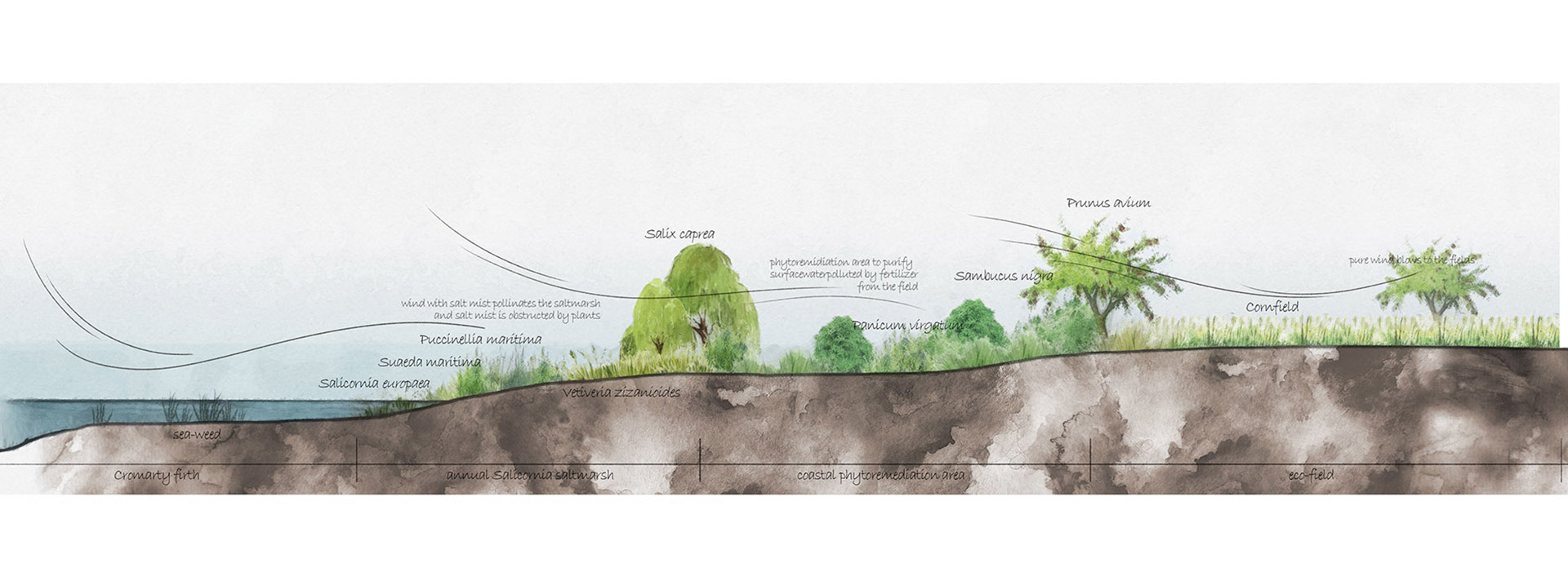
From the shore to the sea, a phytoremediation area filters surface water polluted by the fertilizer from the field.
From the sea to the shore, the saltmarsh and the phytoremediation area tops the salt mist that may reduce the yield of the field.
Proposal Sketches


Yuezouyi Guan
FLOWING ENERGYSCAPE
Follow:
 /sites/default/files/2021-06/portfolio.pdf

