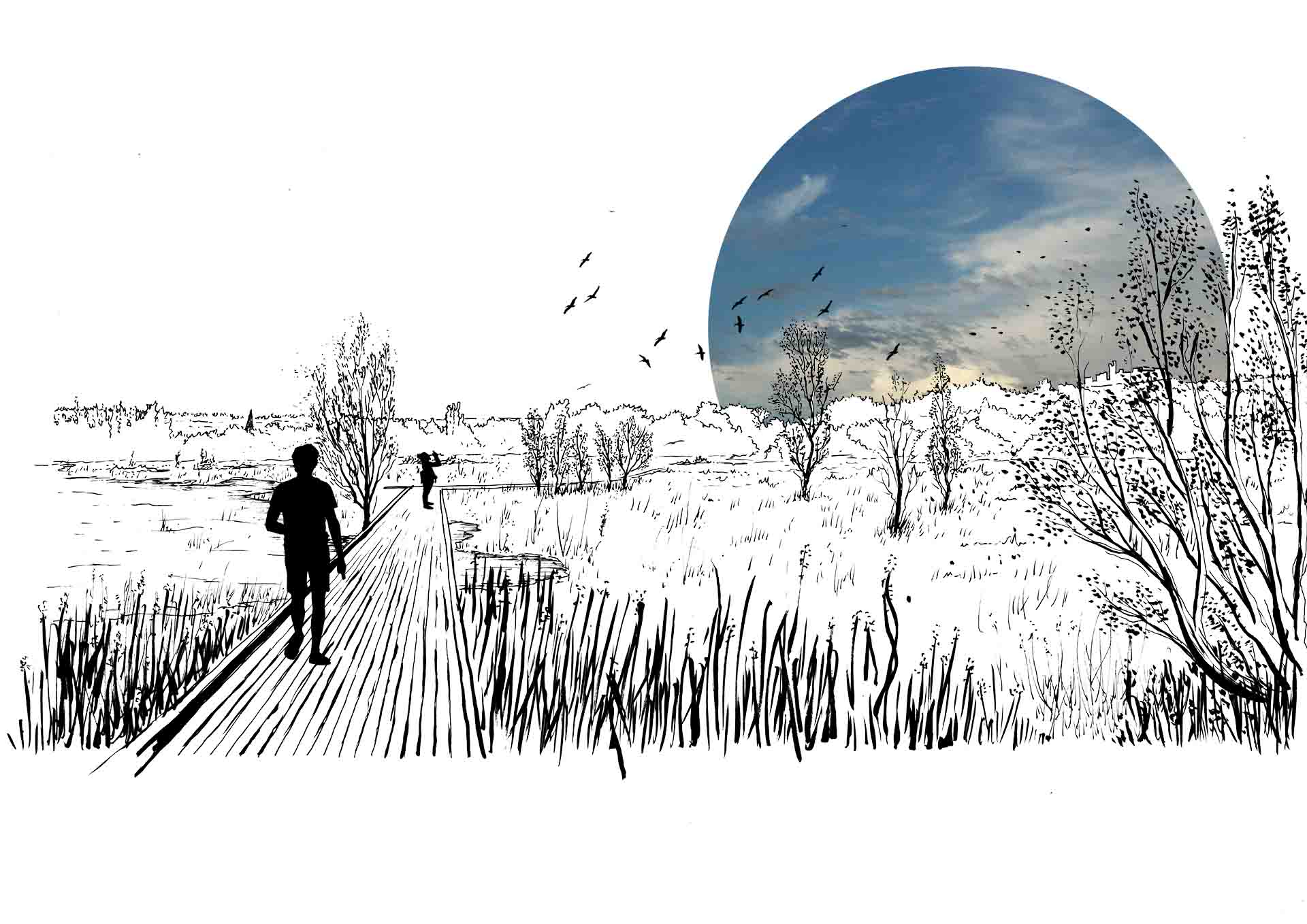
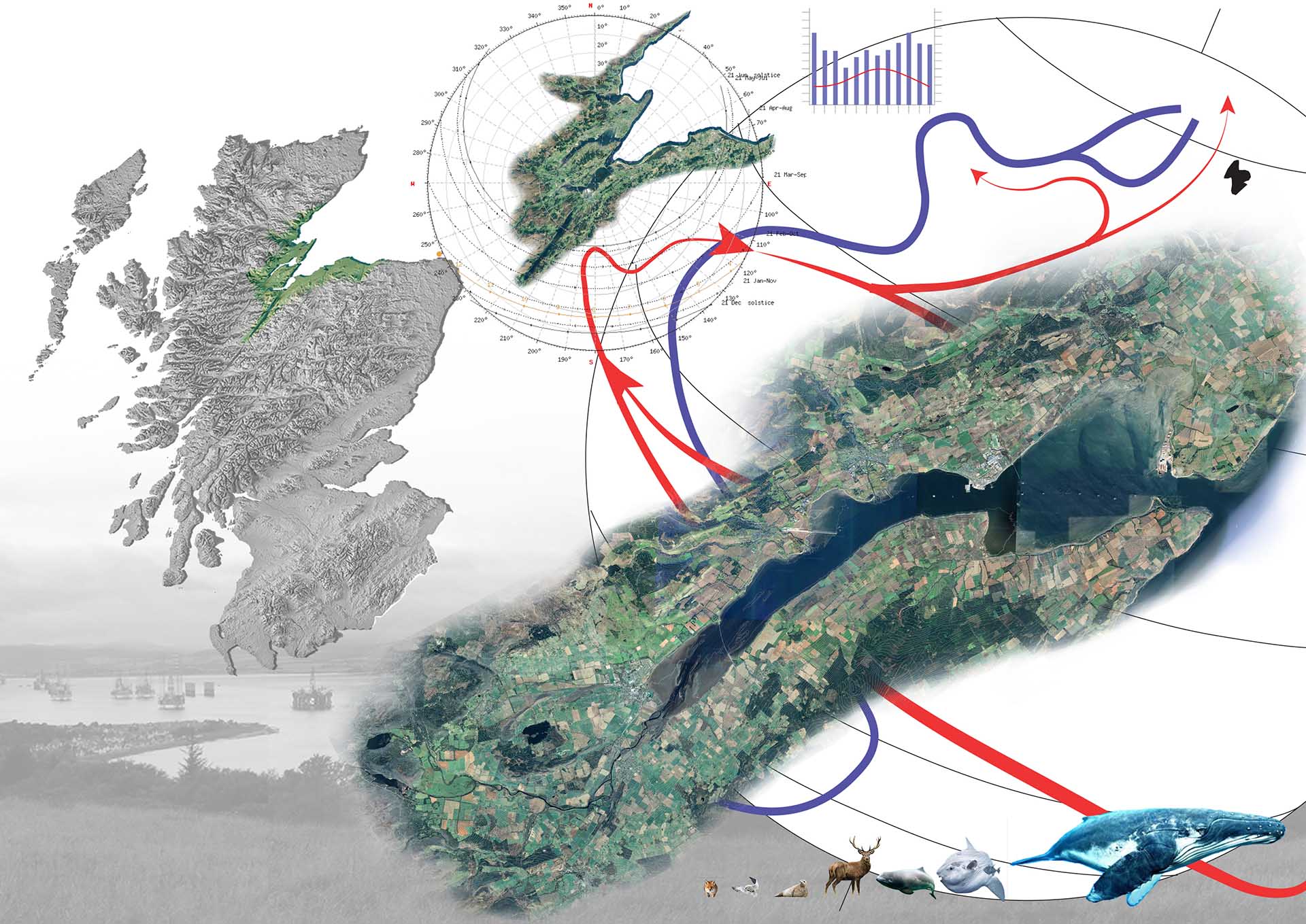
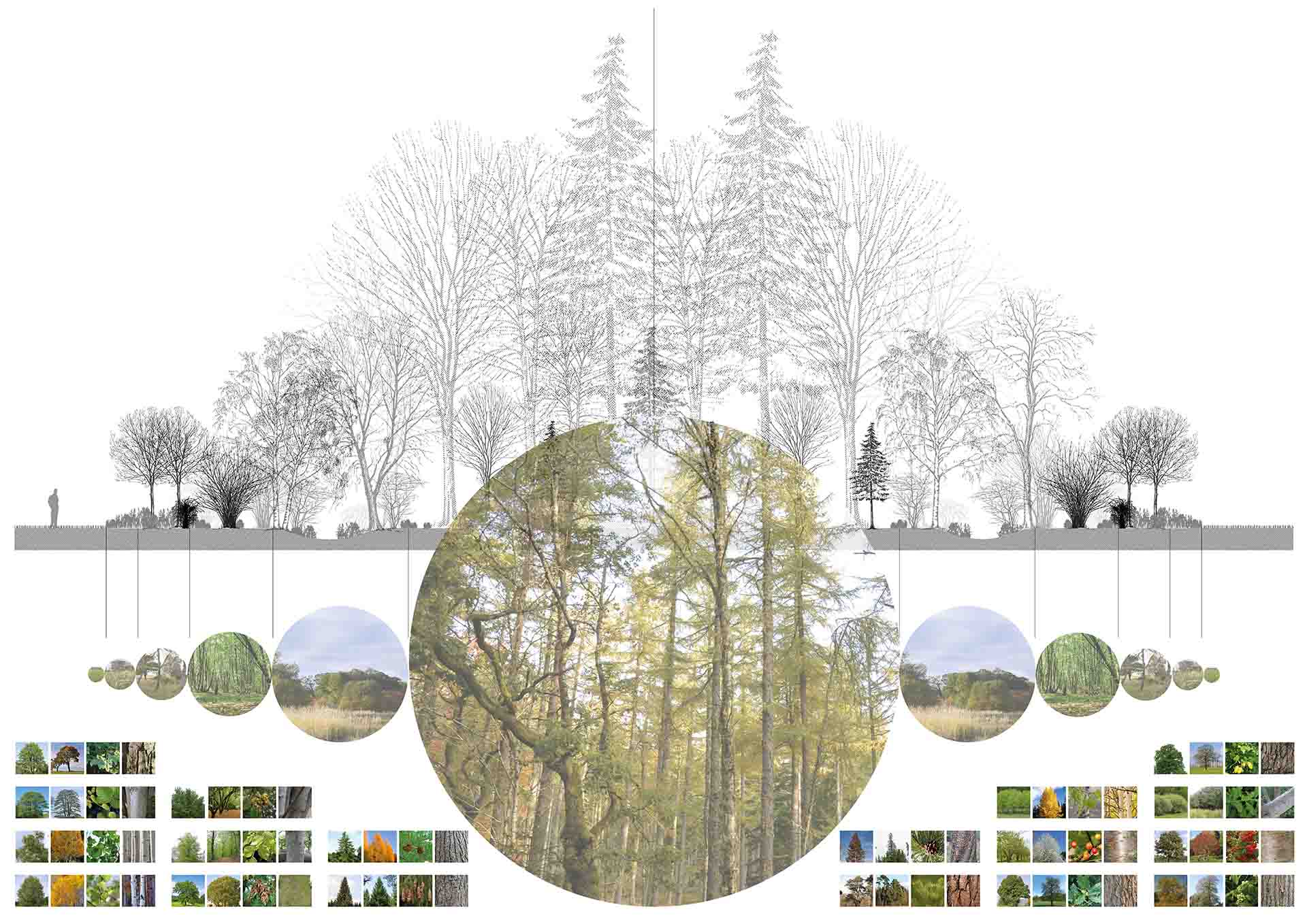
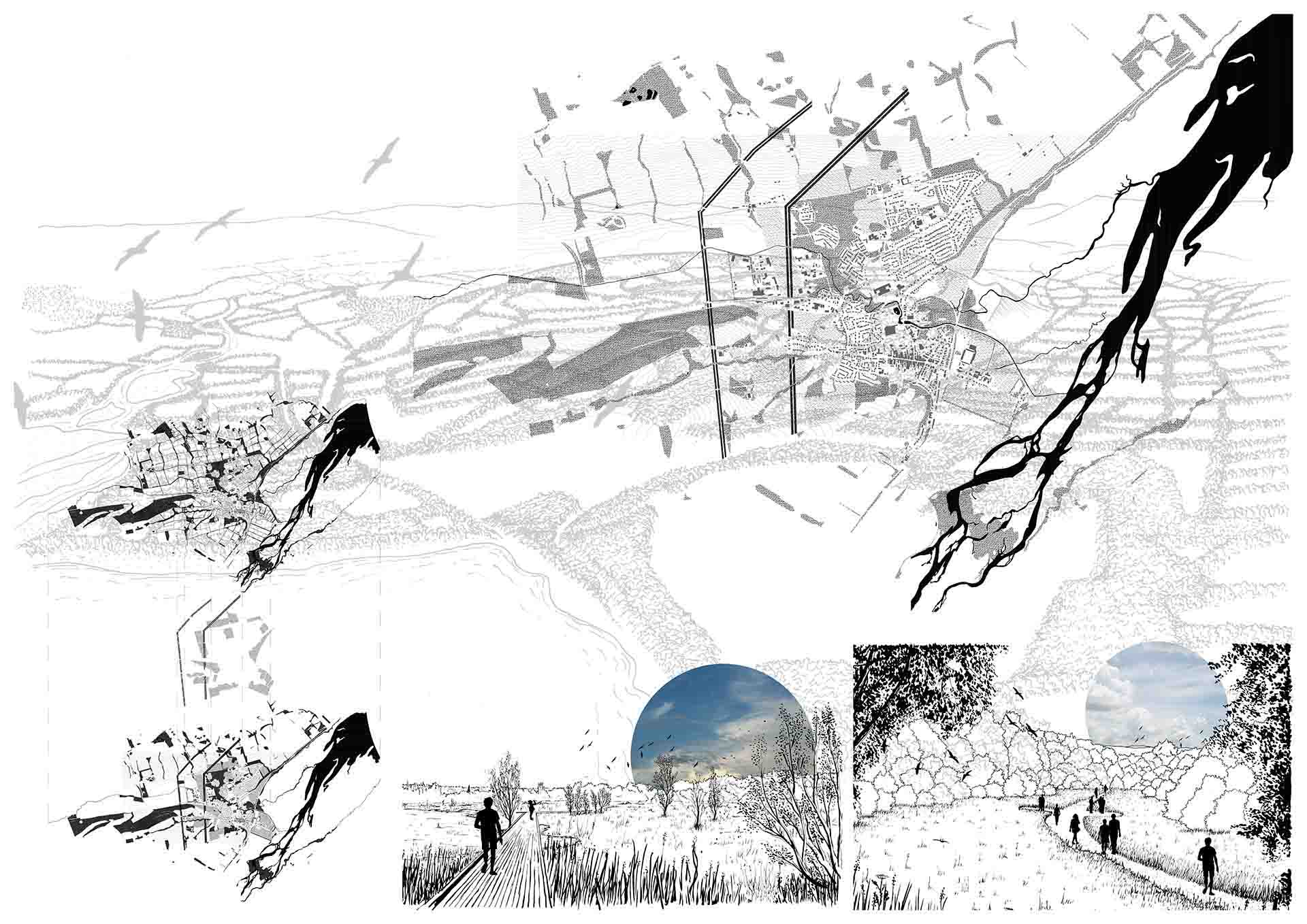
What is a territorial garden? This question only makes sense if we understand the need to reconsider our relationship with other species, other elements, non-humans. Indeed, our atmospheric and geological impact as a species is considerable. The temporal and spatial scale of our actions far exceeds what Earth and Life in general can withstand. For years, scientists have been warning our societies about the negative consequences of our actions, and philosophers have been trying to understand how we can change our habits and live in harmony with our environment. The garden has been, since its origin, the privileged meeting place between Human and Nature.
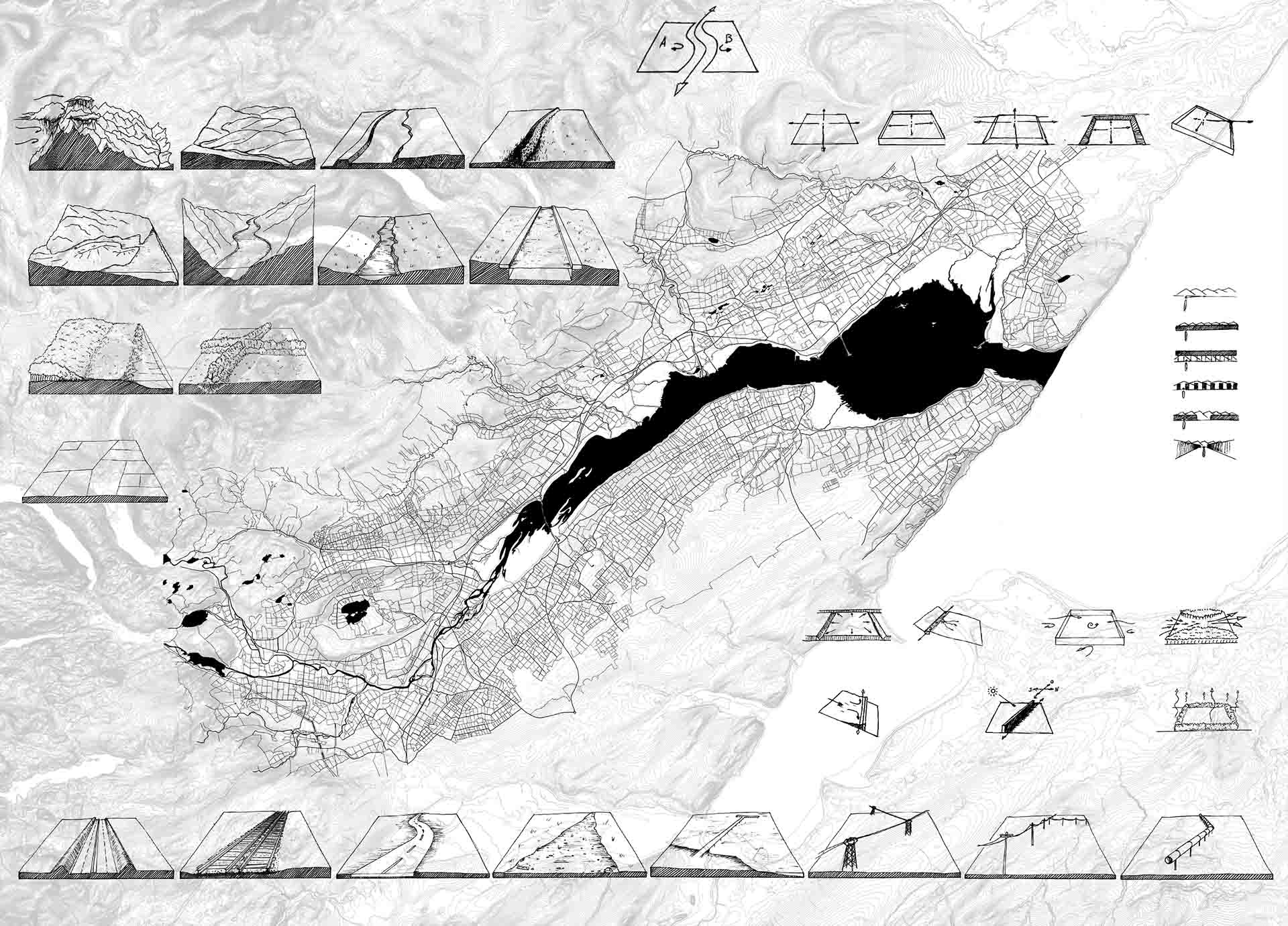
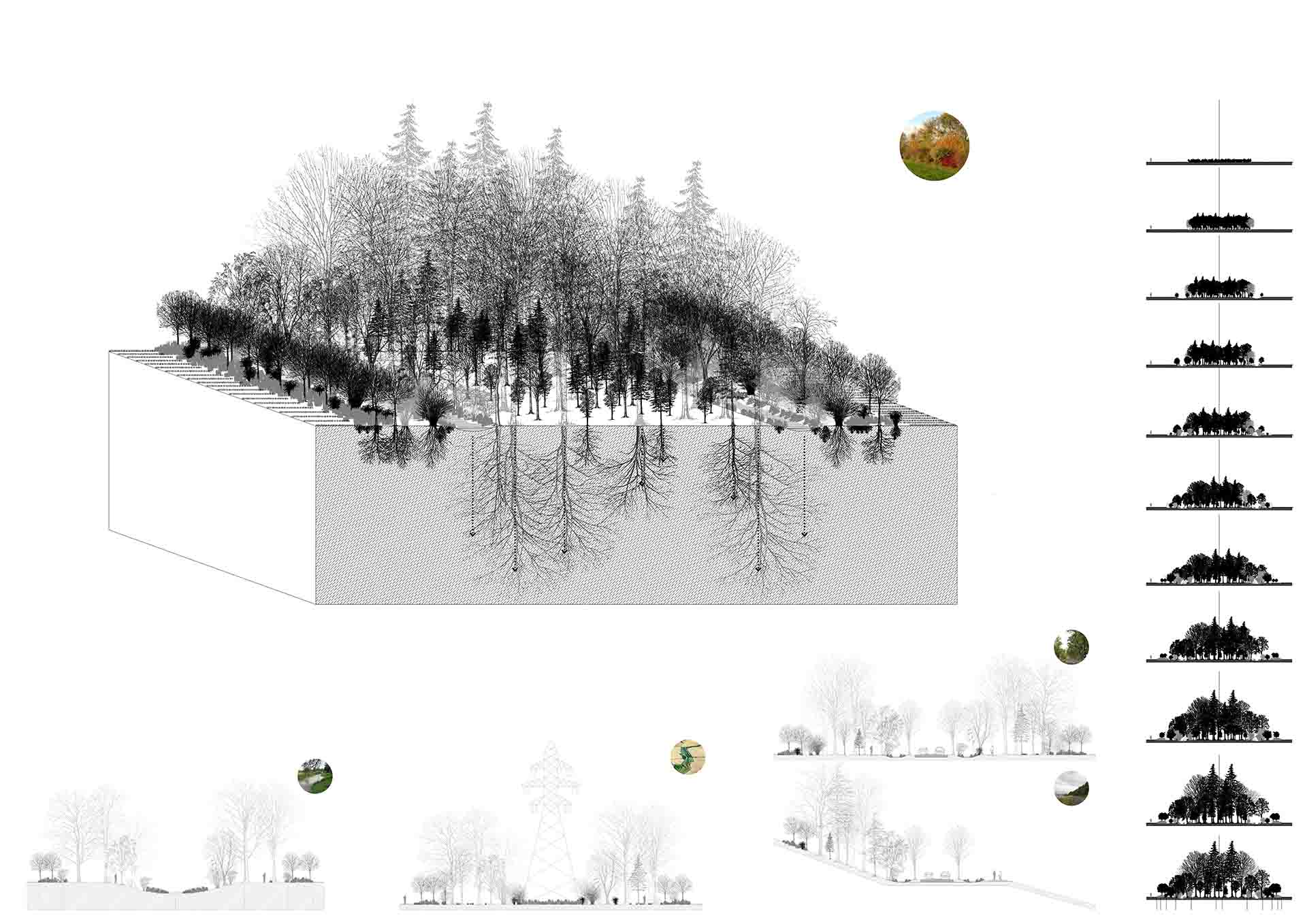
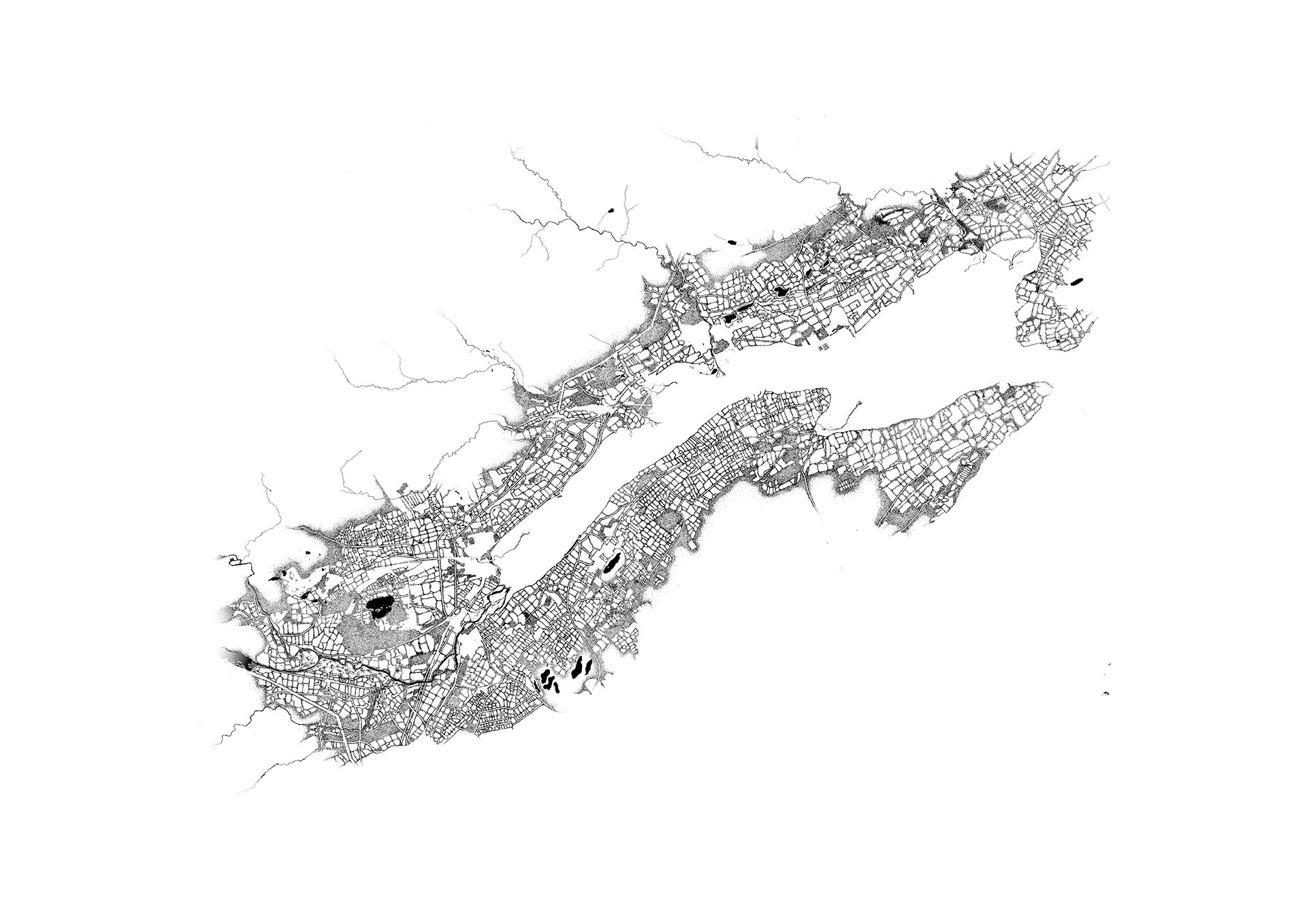
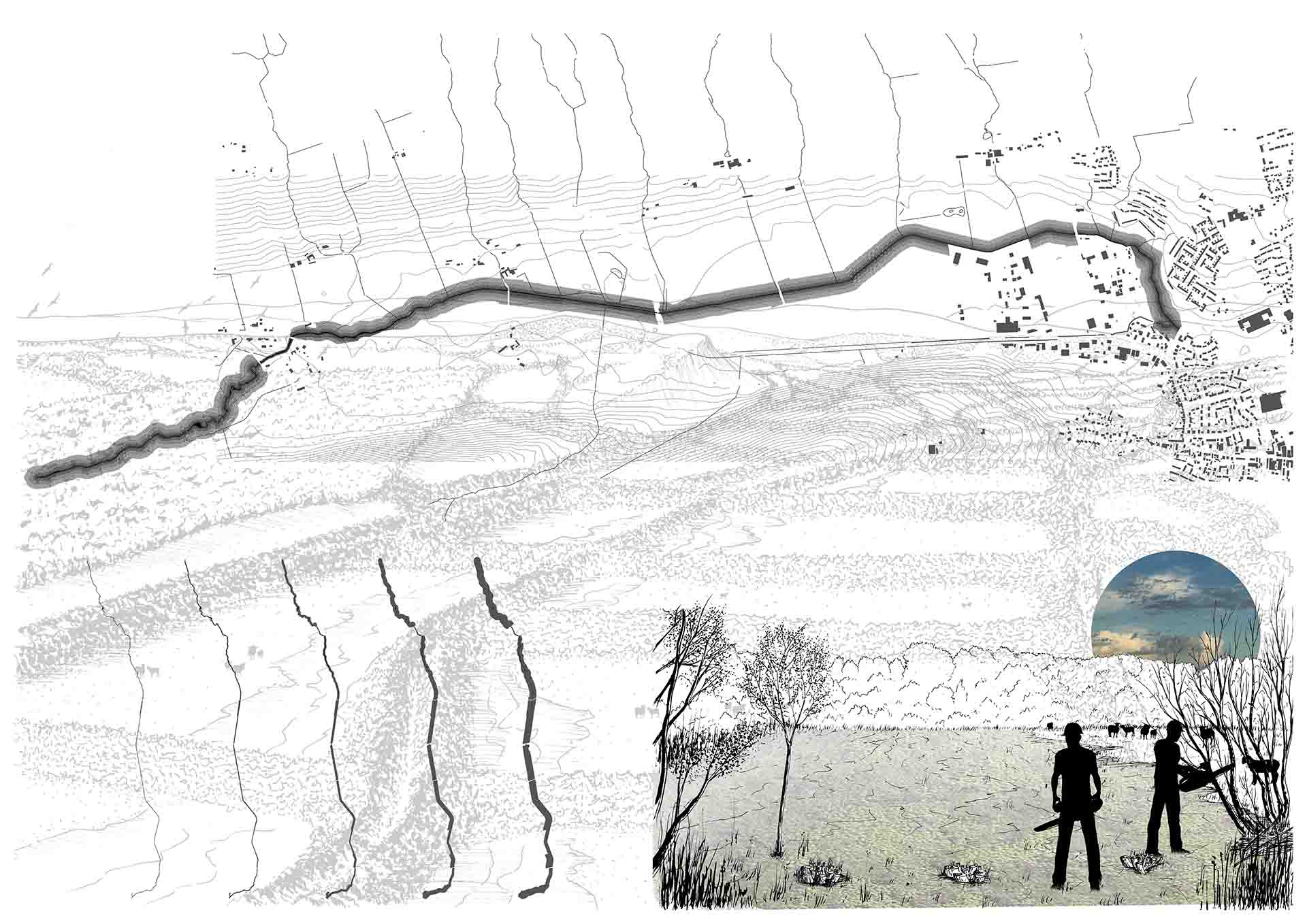
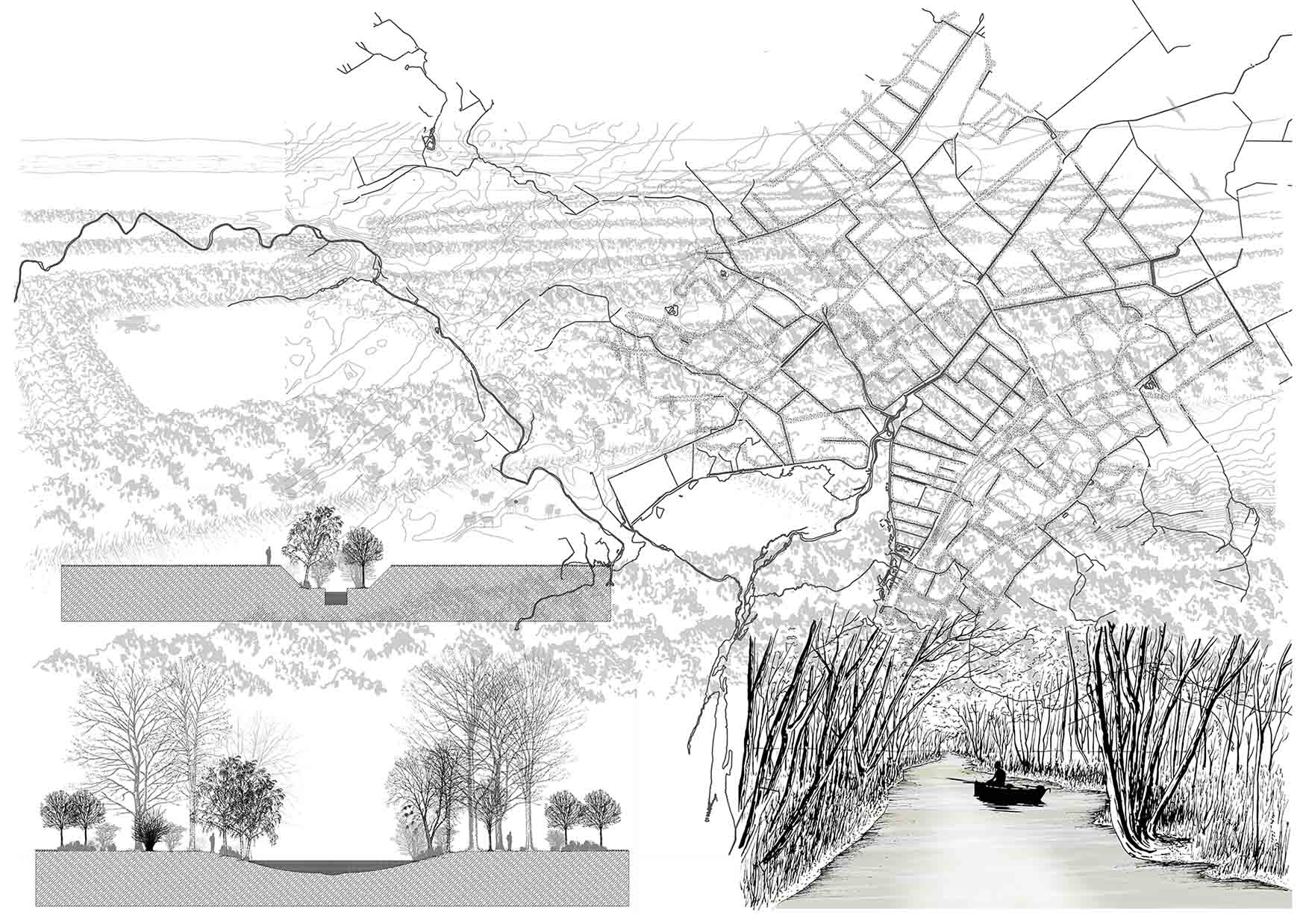
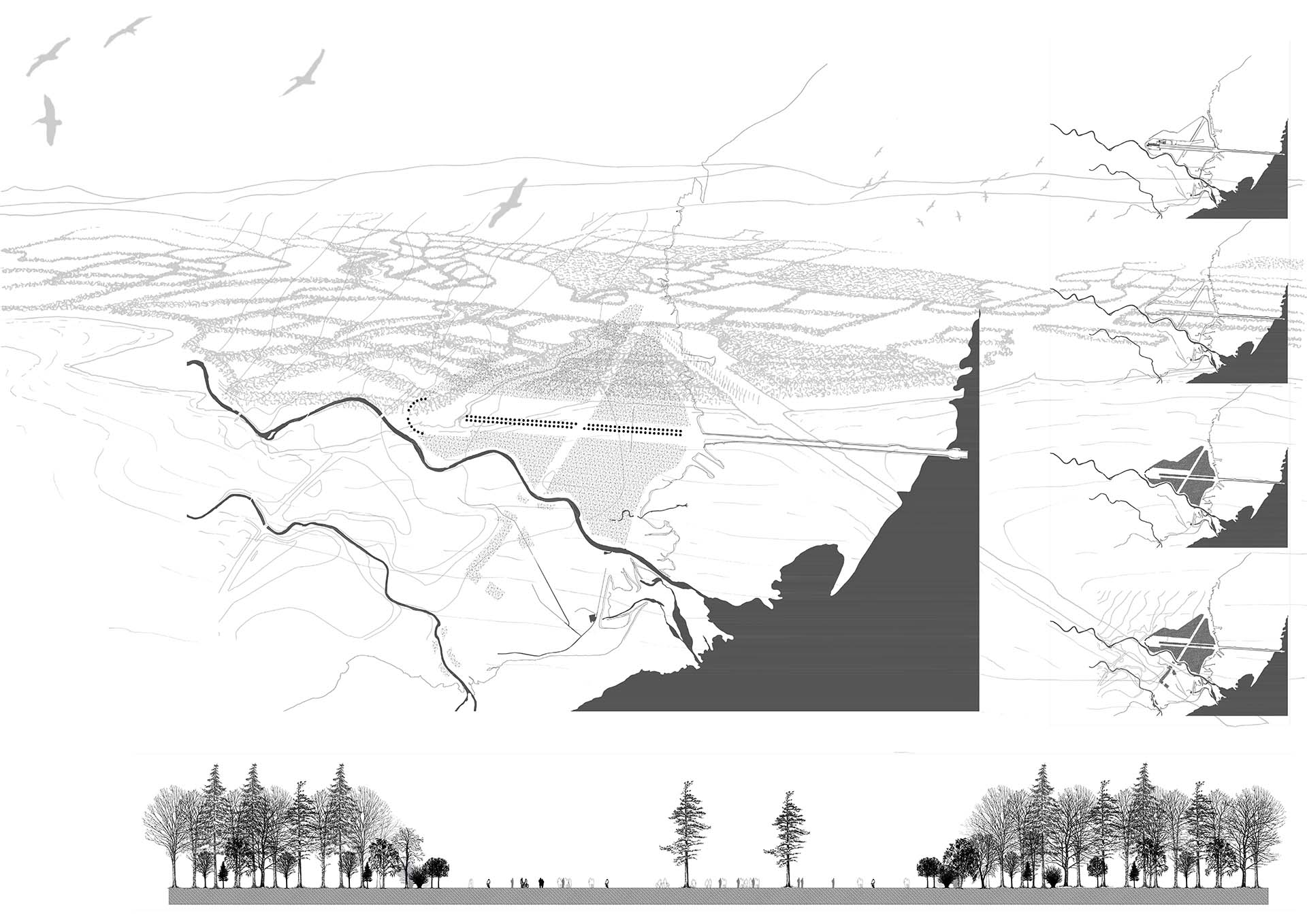
Inside the Territorial Garden all the limits and boundaries are referencing (roads, railways, rivers, etc.) to create a general map which, instead of showing impassable boundaries, shows a new network on which a new system of green and blue corridors will be established.
The creation of these highways of energies and resources will allow the emergence of a new biodiversity and a new landscape experience for the inhabitants of the Cromarty Firth valley.
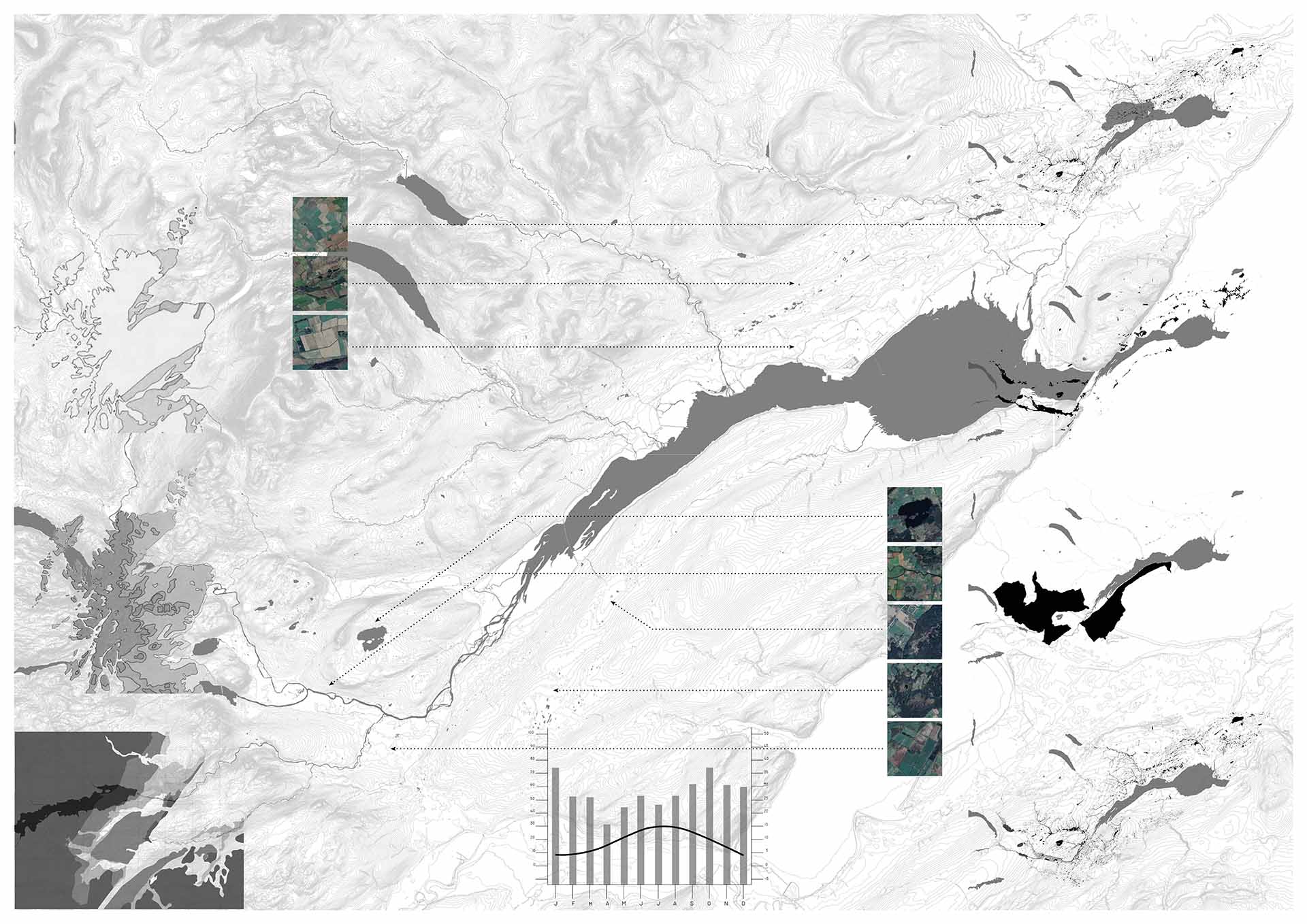
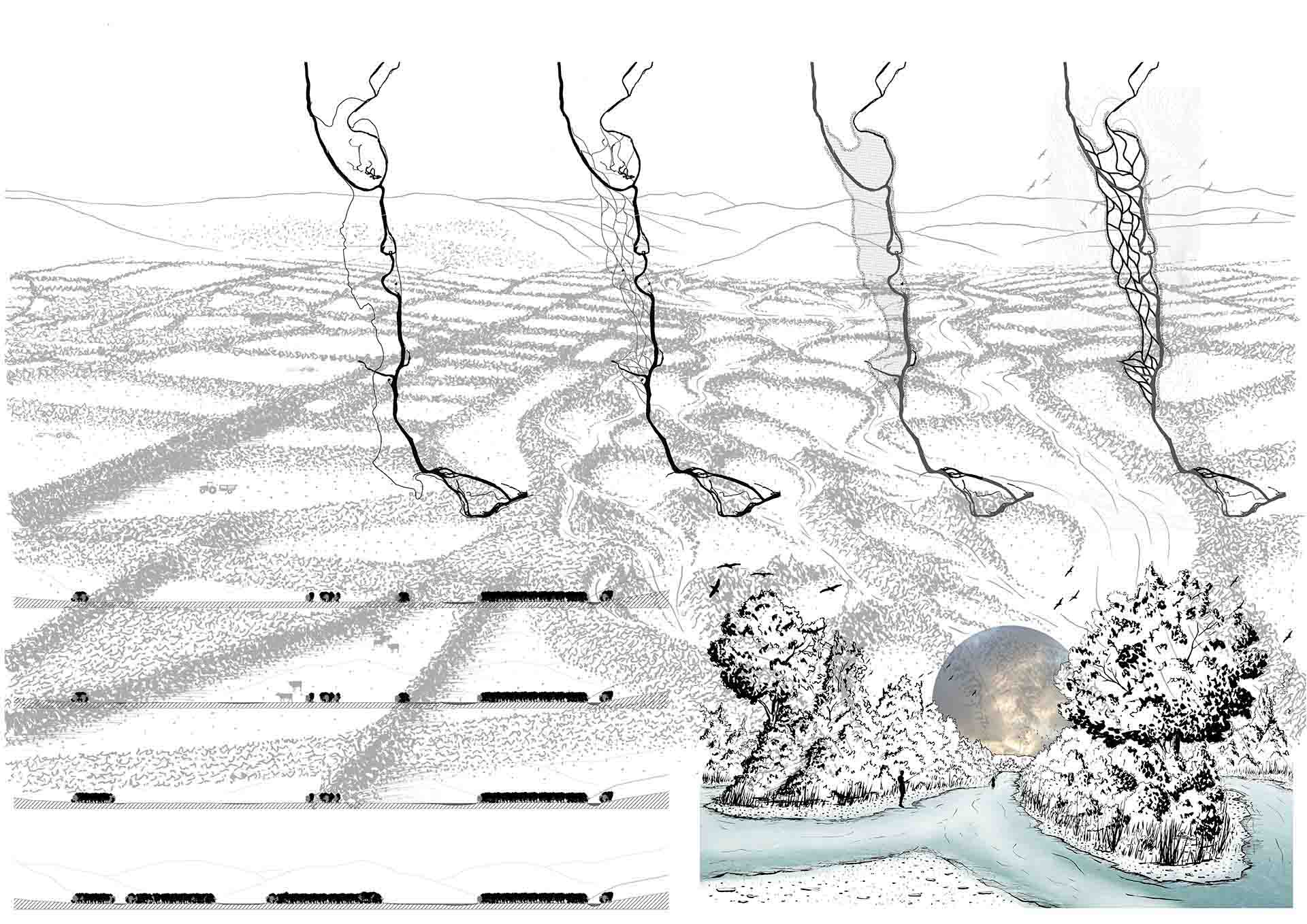
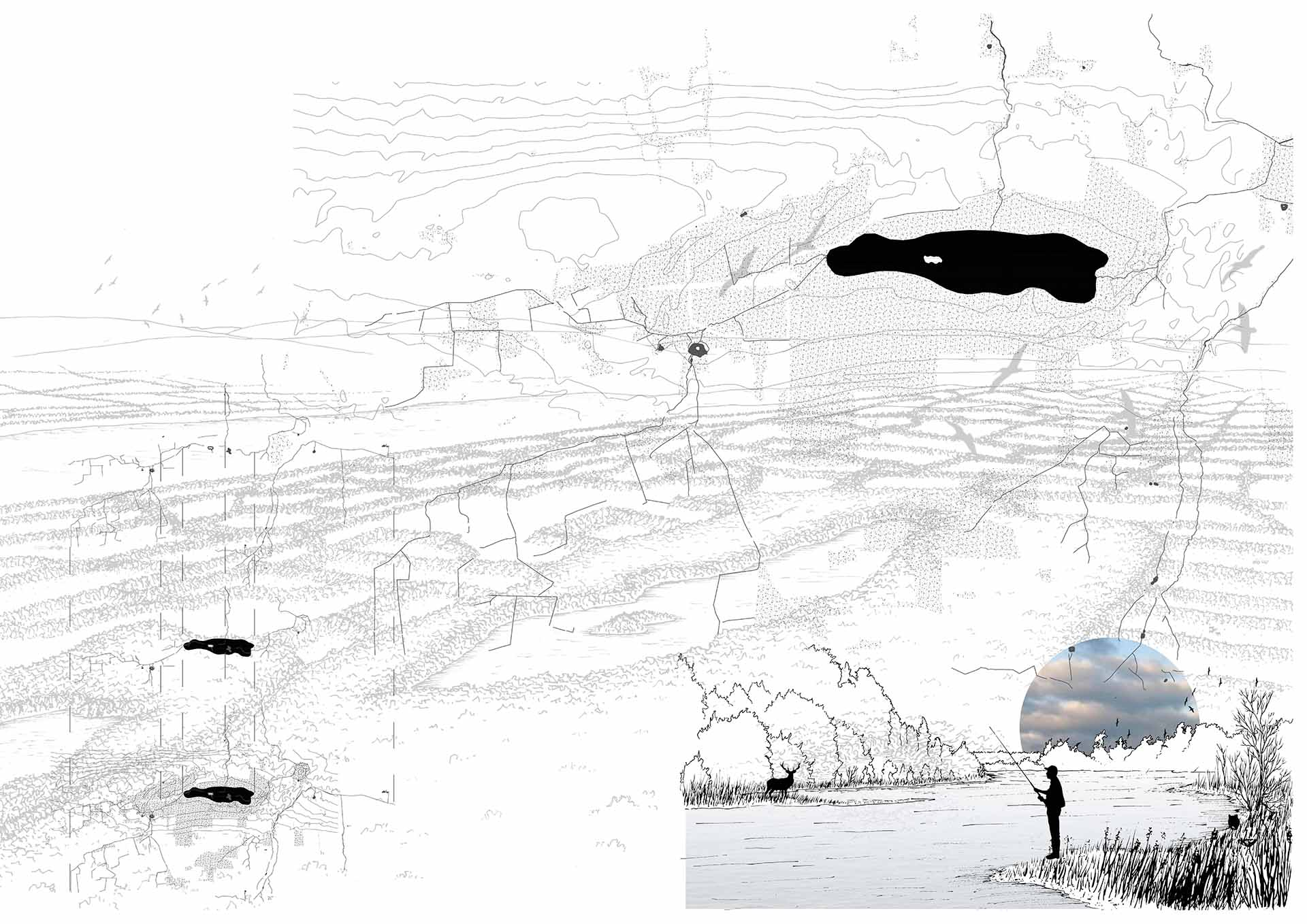
Furthermore, inside the Cromarty Firth valley, water is a major element. Water has always been of crucial importance in gardens and the Territorial Garden is not an exception. Water therefore has a special status in the territorial garden. Its treatment will be essential to develop a space where Flows are improved to promote the emergence of Life and where its quality on earth has a positiv impact on the Cromarty Firth.
The territorial garden is a new form of Art that invites all actors (human and non-human) to experiencing and to gardening Life as if it were the most precious thing that we have.
“And a Man shall ever see that when Ages grow to Civility and Elegancy, Men come to build stately rather then Garden finally.
As if Gardening was the greater Perfection.”
Francis Bacon’s Essay Of Gardens, 1625