


Leah Harscoët

Follow:


Awards
Project description
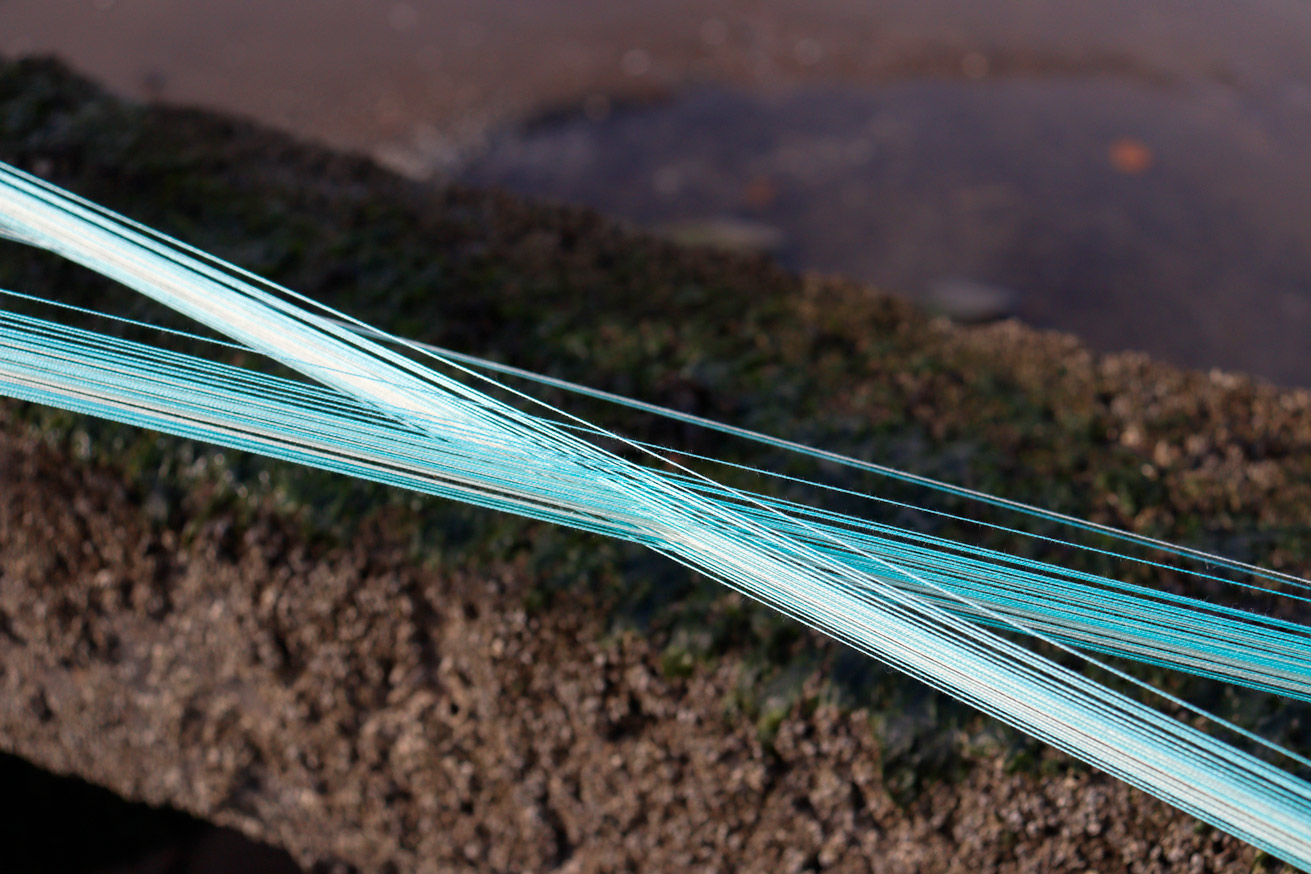
Embedded in the methodology of my practice is the weaving process. More specifically, it is rooted in the stage of preparation, the winding of the warp. In hand weaving, this action is most often undertaken on a warping frame (a frame on which there are a number of posts to hold the warp in place), in which the arm leads the yarn to trace a zig-zag motion upon the frame. Here, the movement of the body is condensed to a series of repeated gestures, not only being repeated through the act of winding the warp itself, but throughout history also.
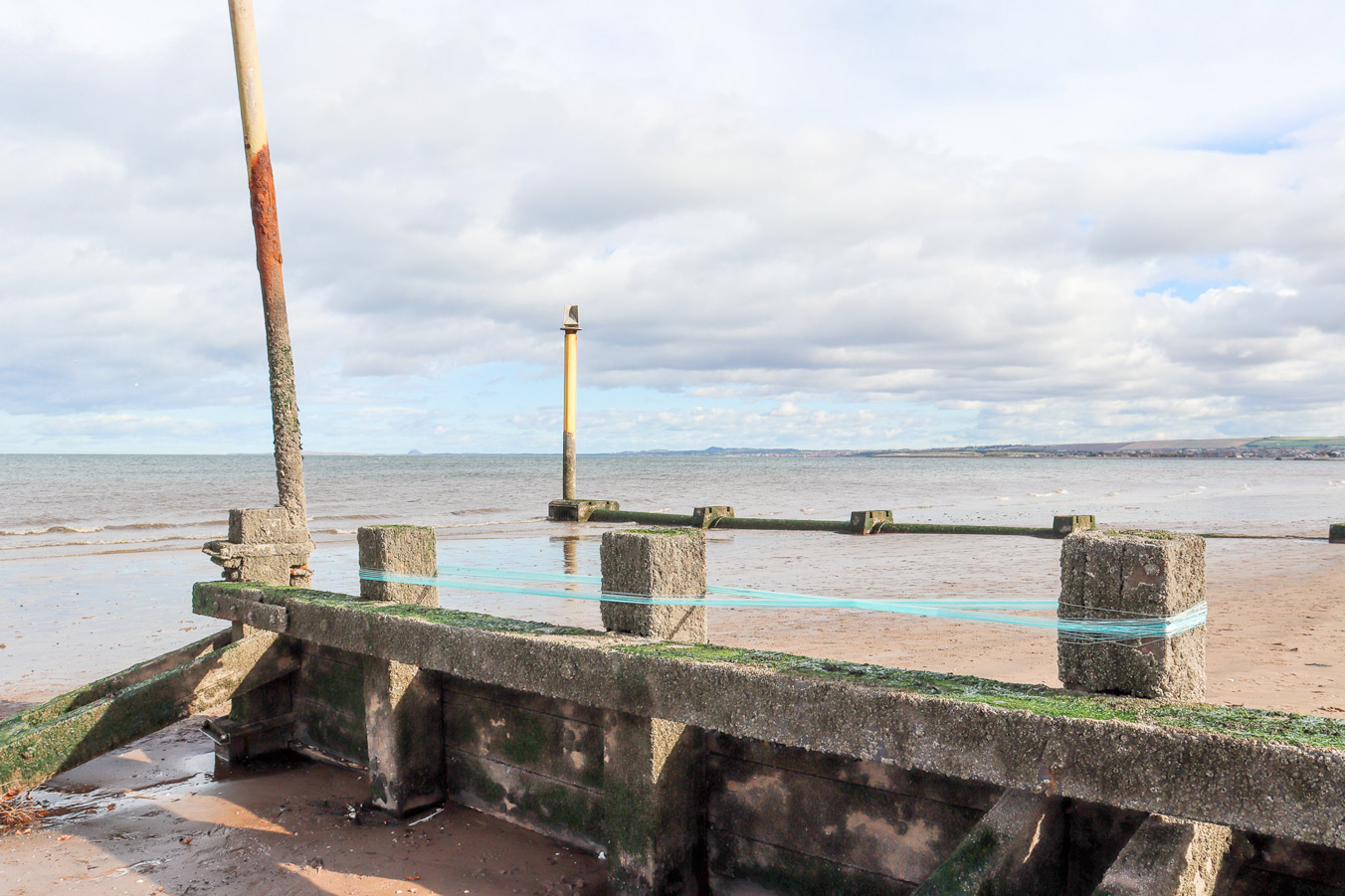
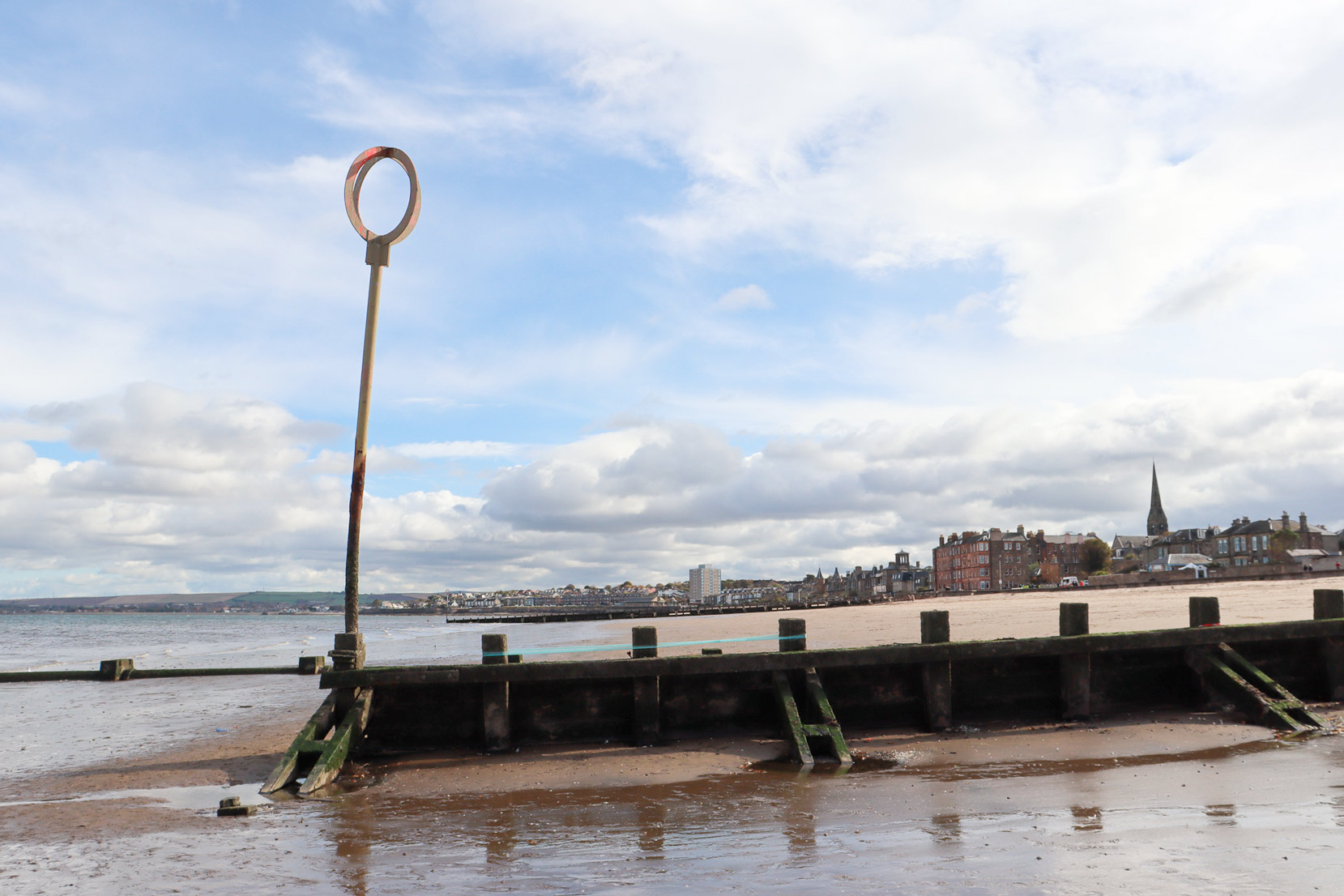
Weaving can be a fairly solitary practice, which is indeed exacerbated by the isolation induced by our current global health crisis. In this period of restrictions, I have turned my practice outward, using outdoor settings to facilitate interventions into the habitual environment and sites of familiarity.

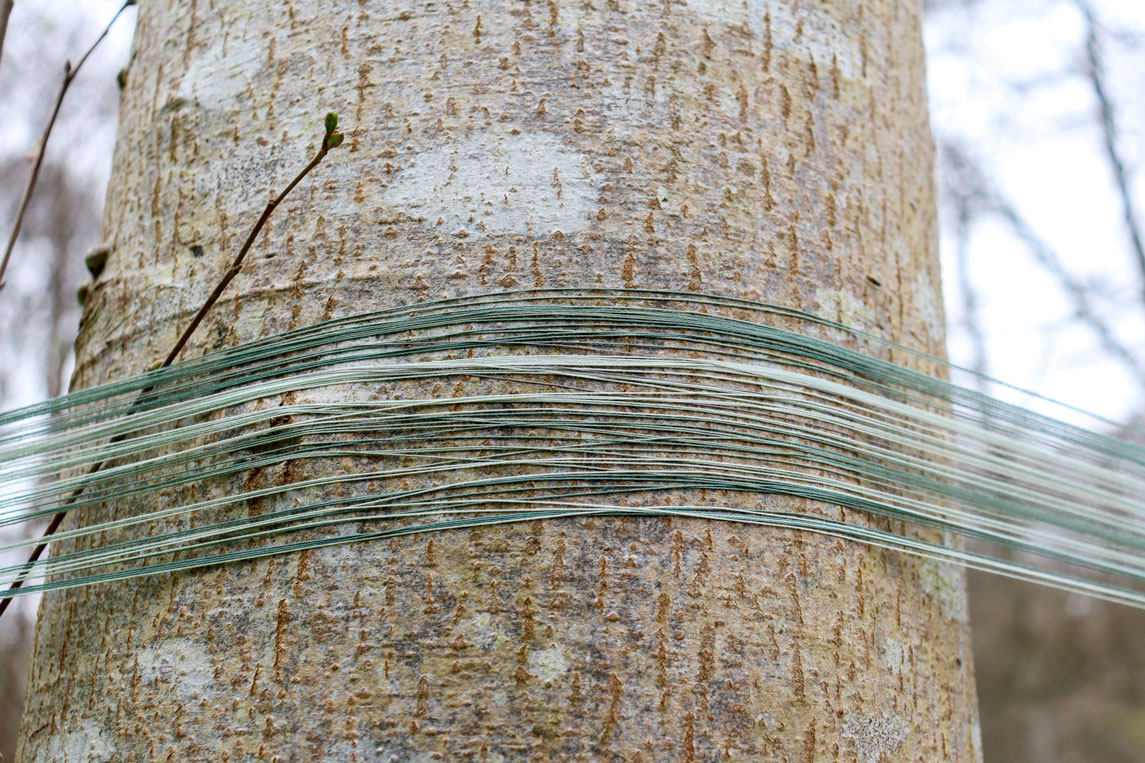
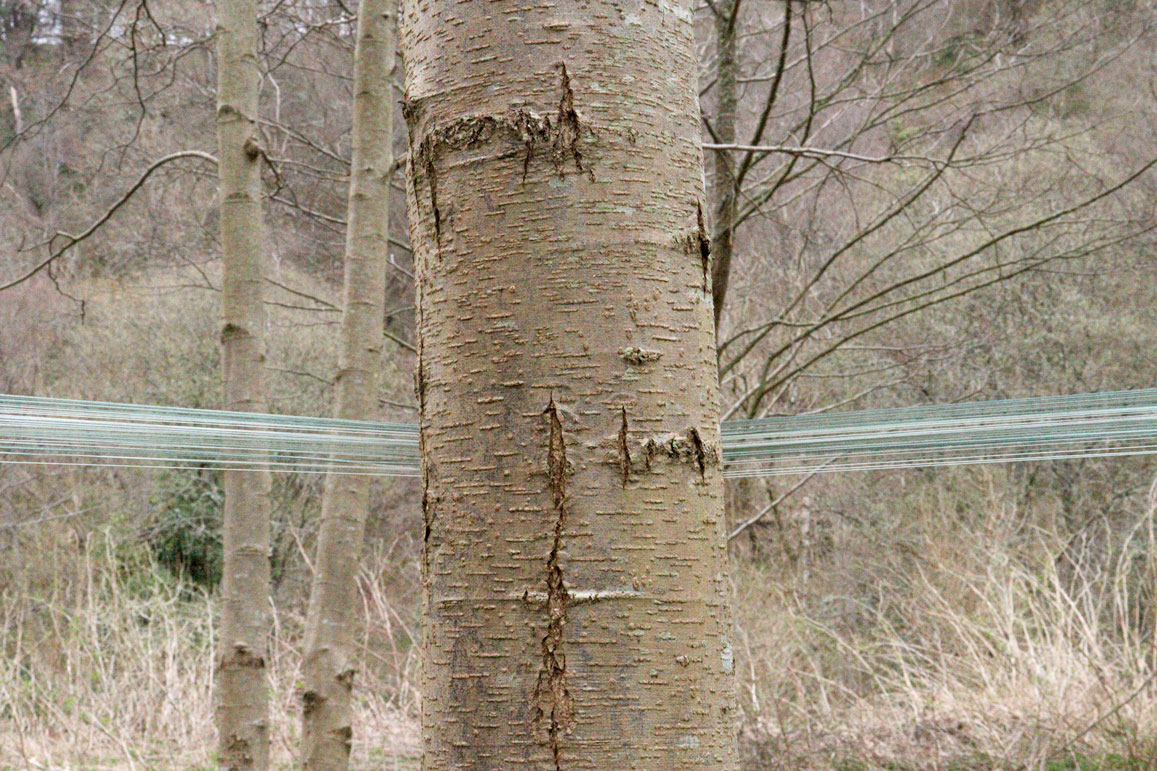
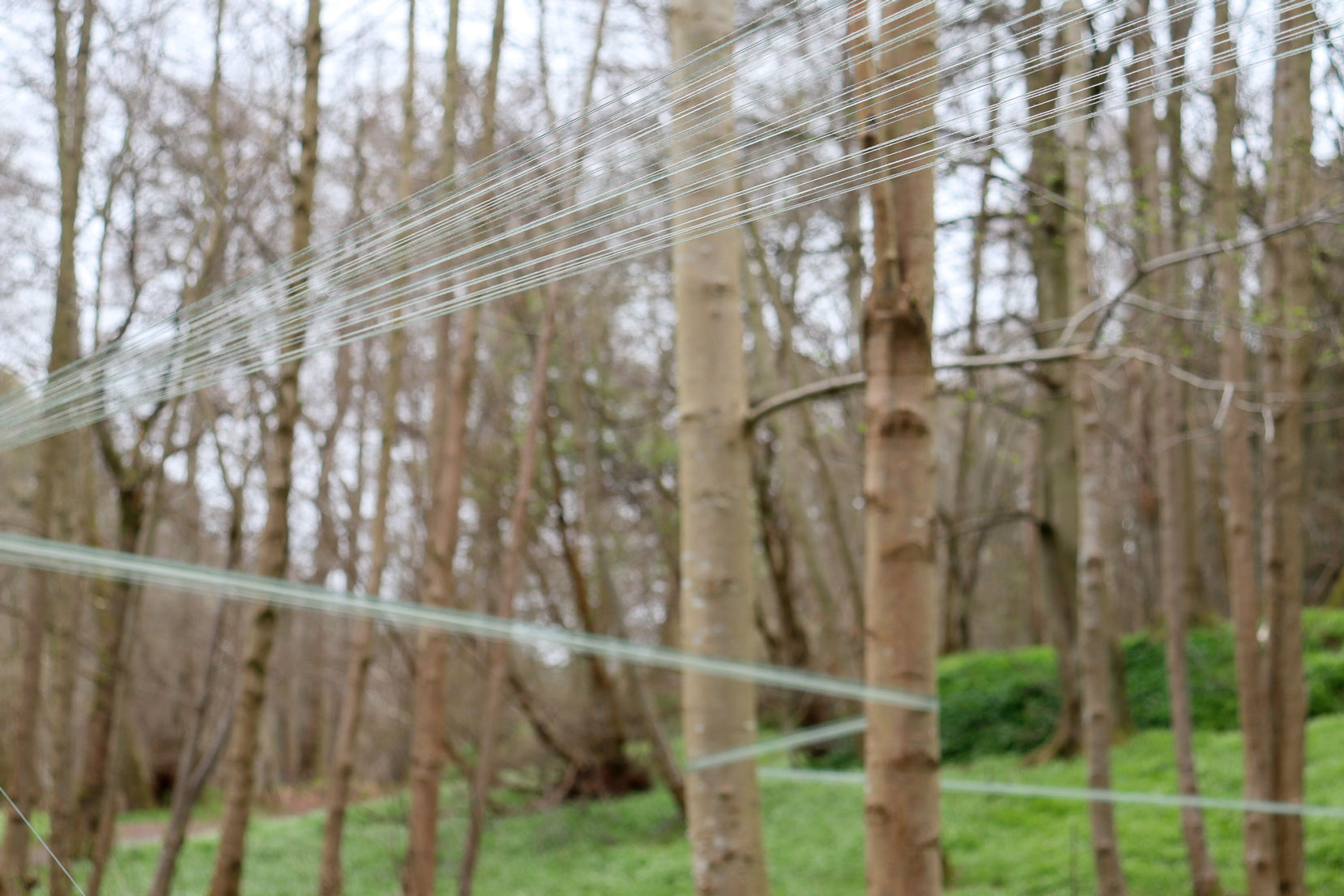
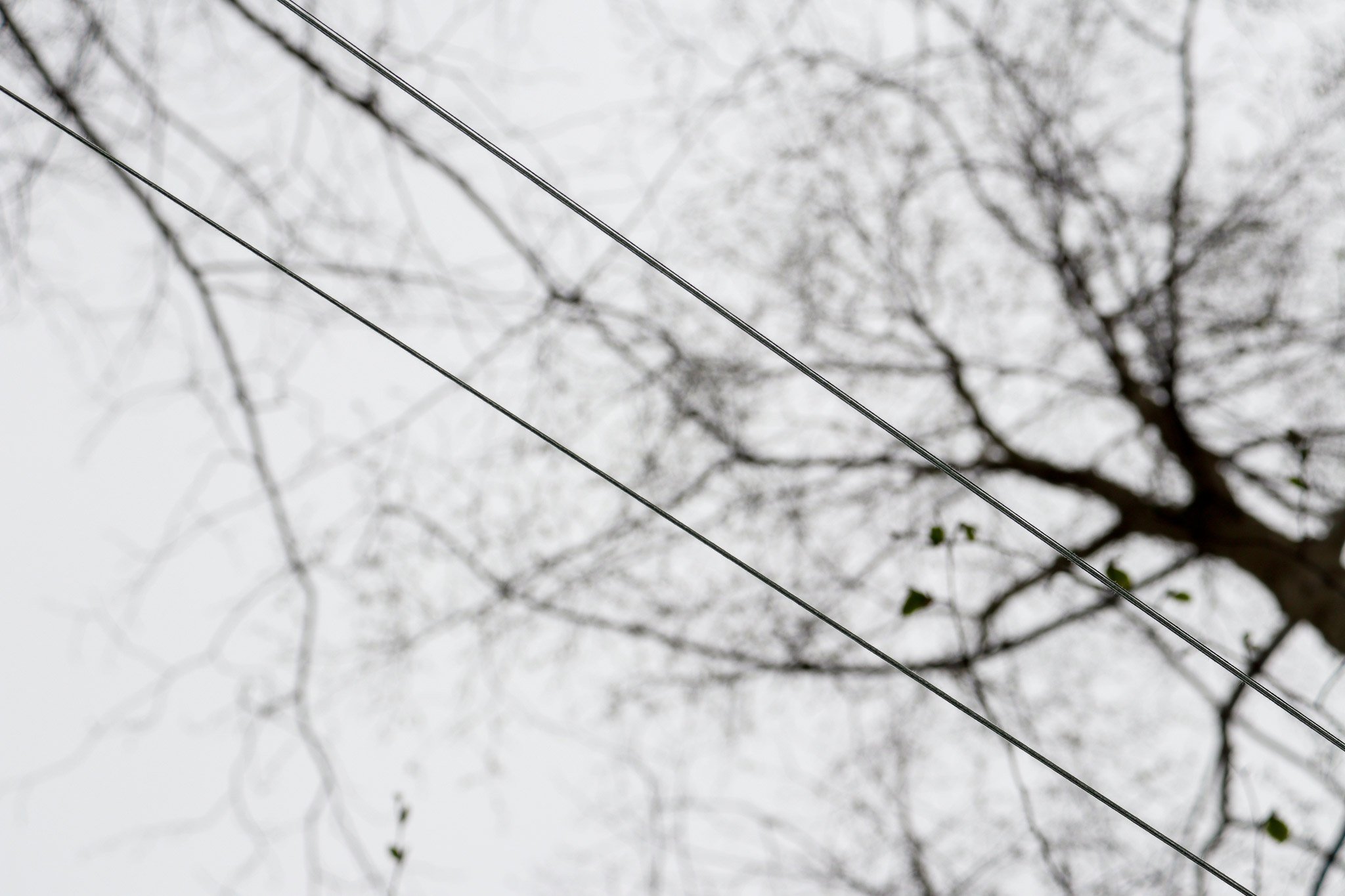
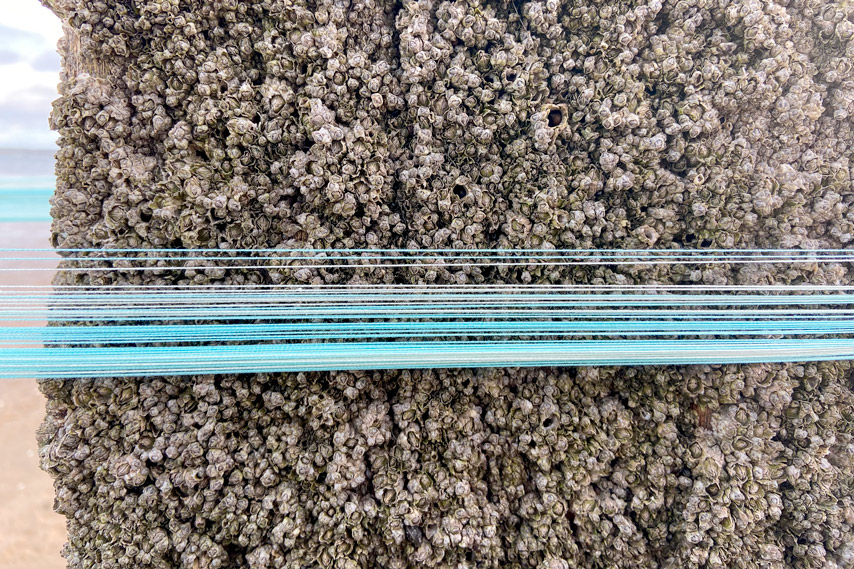
Humans are dependent on interconnectivity and interaction with one another, much like warp and weft. In these installations, the warp is literal, the responses of the viewer acting as the weft. The environments themselves are subject to my response: I am both enhancing and censoring the landscape, both highlighting and hindering. The warp is integrated into the setting. To sever it is to end the work. I am but a vessel for the yarn, a facilitator in its navigation of space.
Here, woven fibres transition to the weaving of voices. Physical weaving facilitates metaphorical weaving, in the forms of conversations, questions, melodic sounds, walking back and forth. In a moment where we all find ourselves facing increased isolation, these kinds of interactions are crucial.


Leah Harscoët
Follow:
 /sites/default/files/2021-06/Harscoet_Leah_2021.pdf

