Introduction
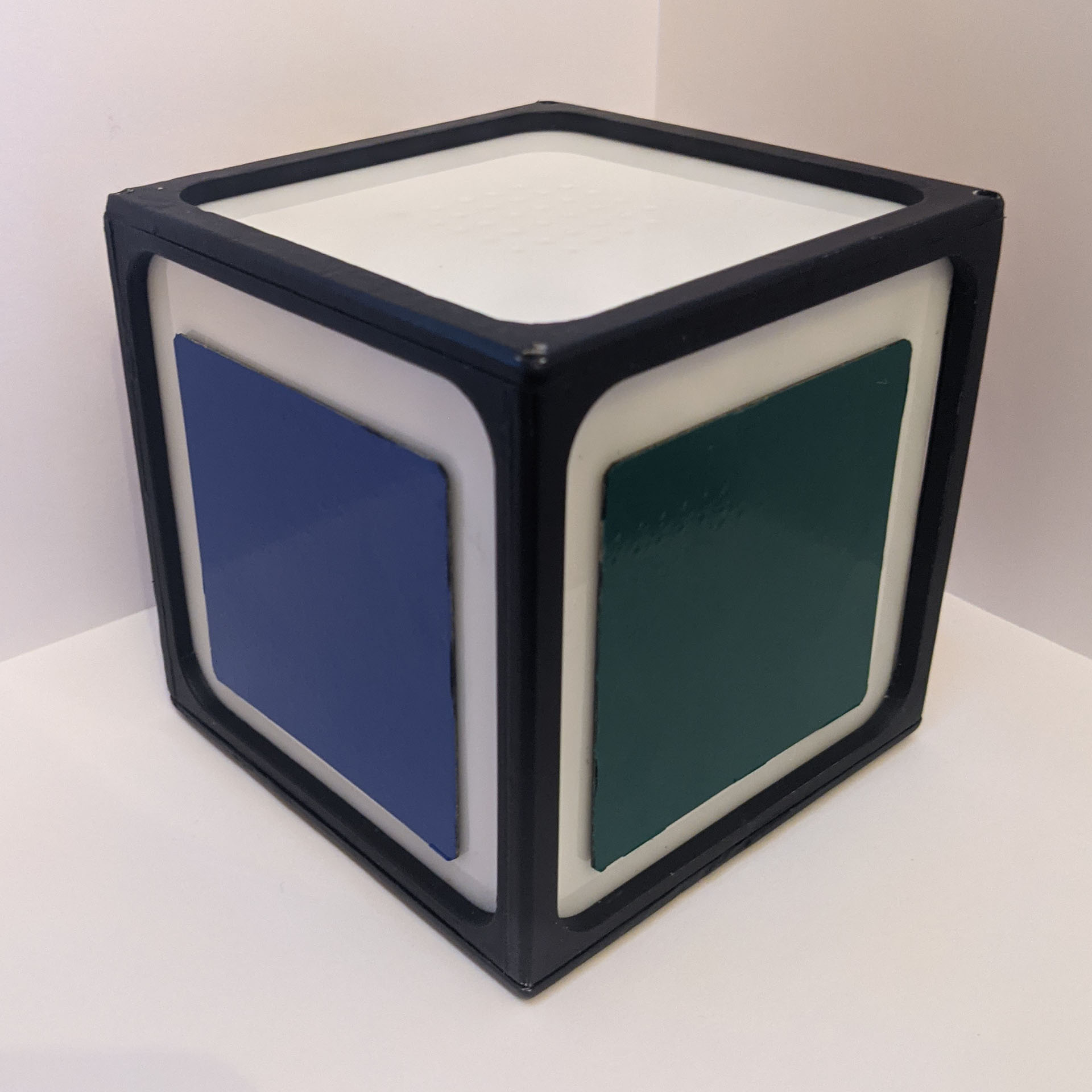
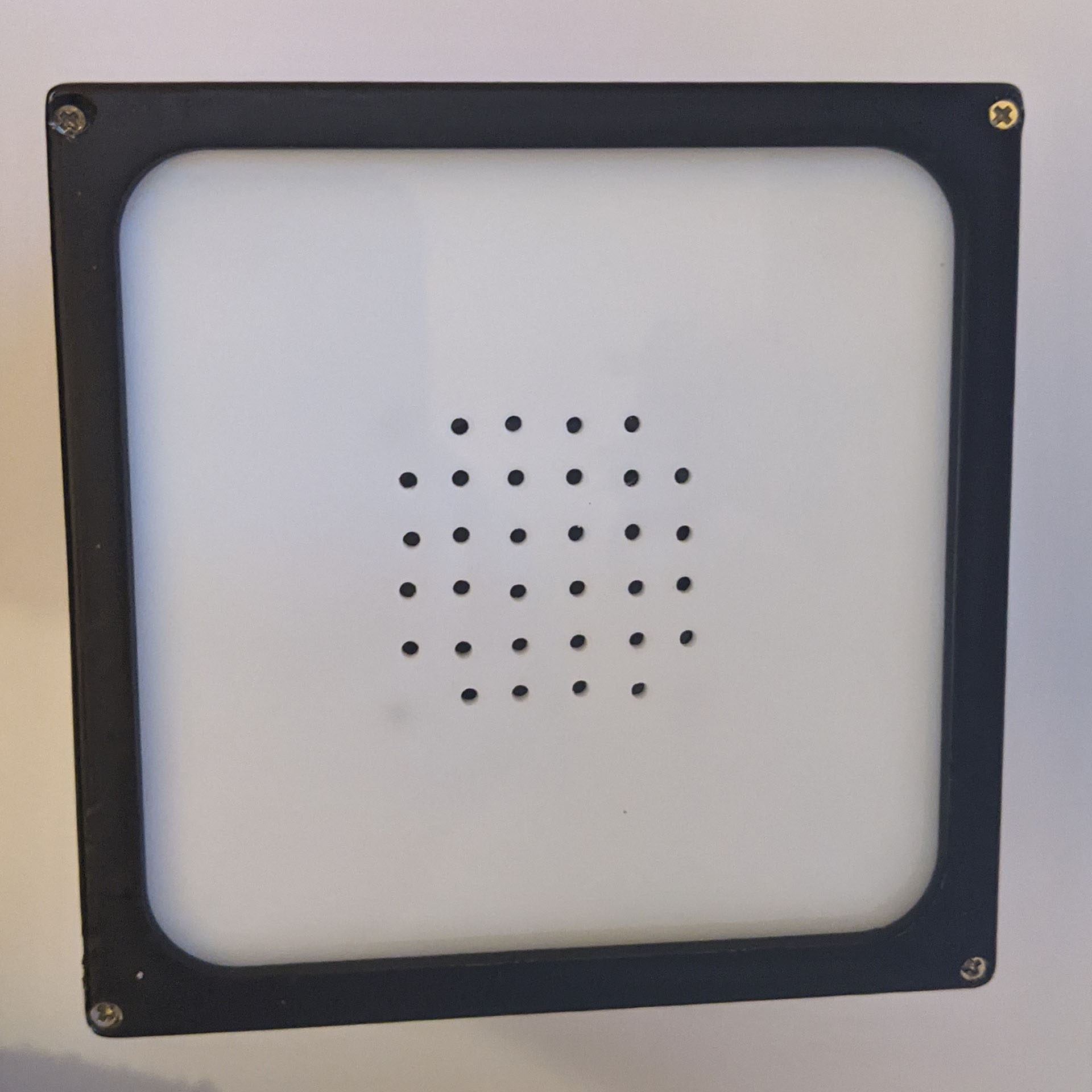
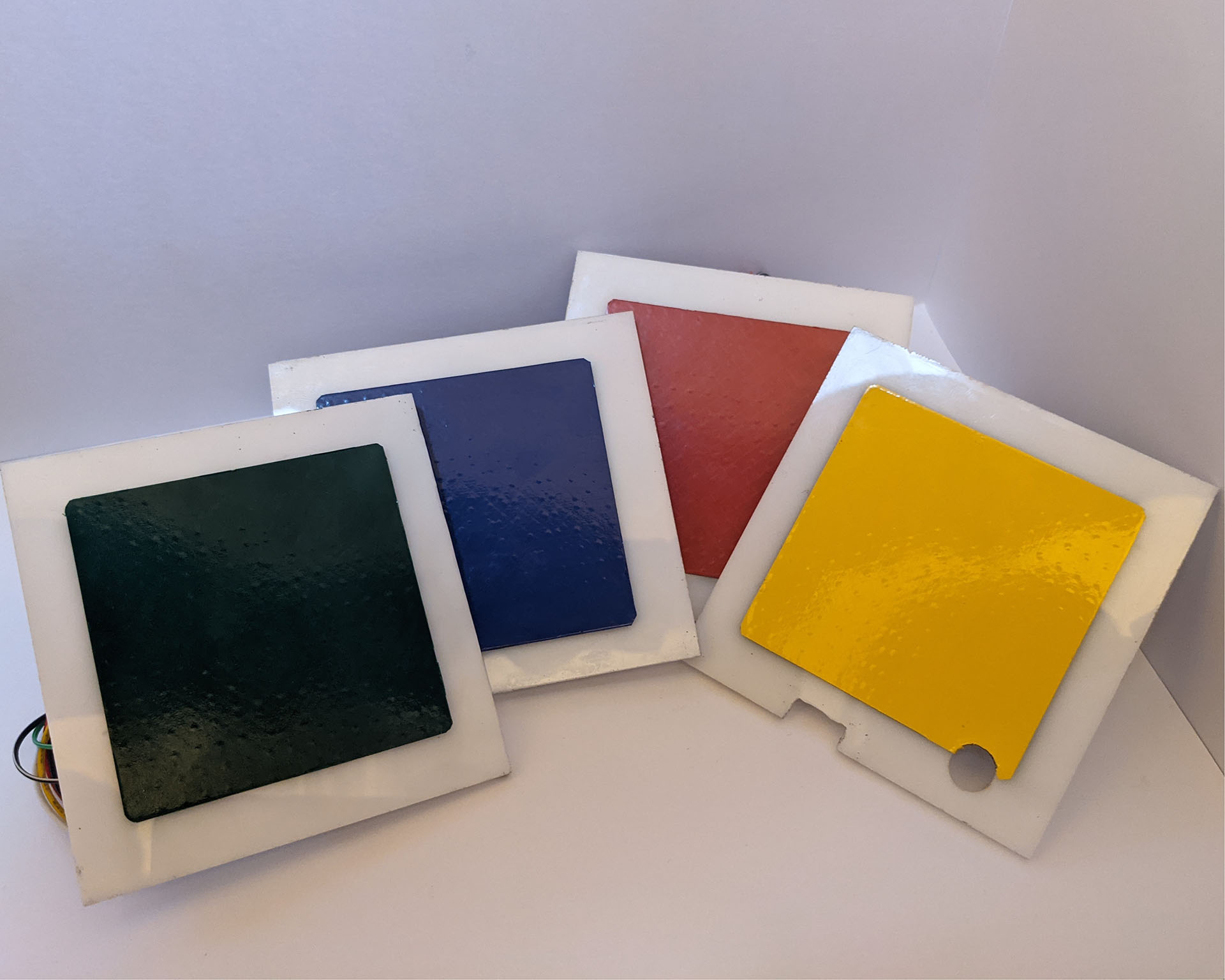
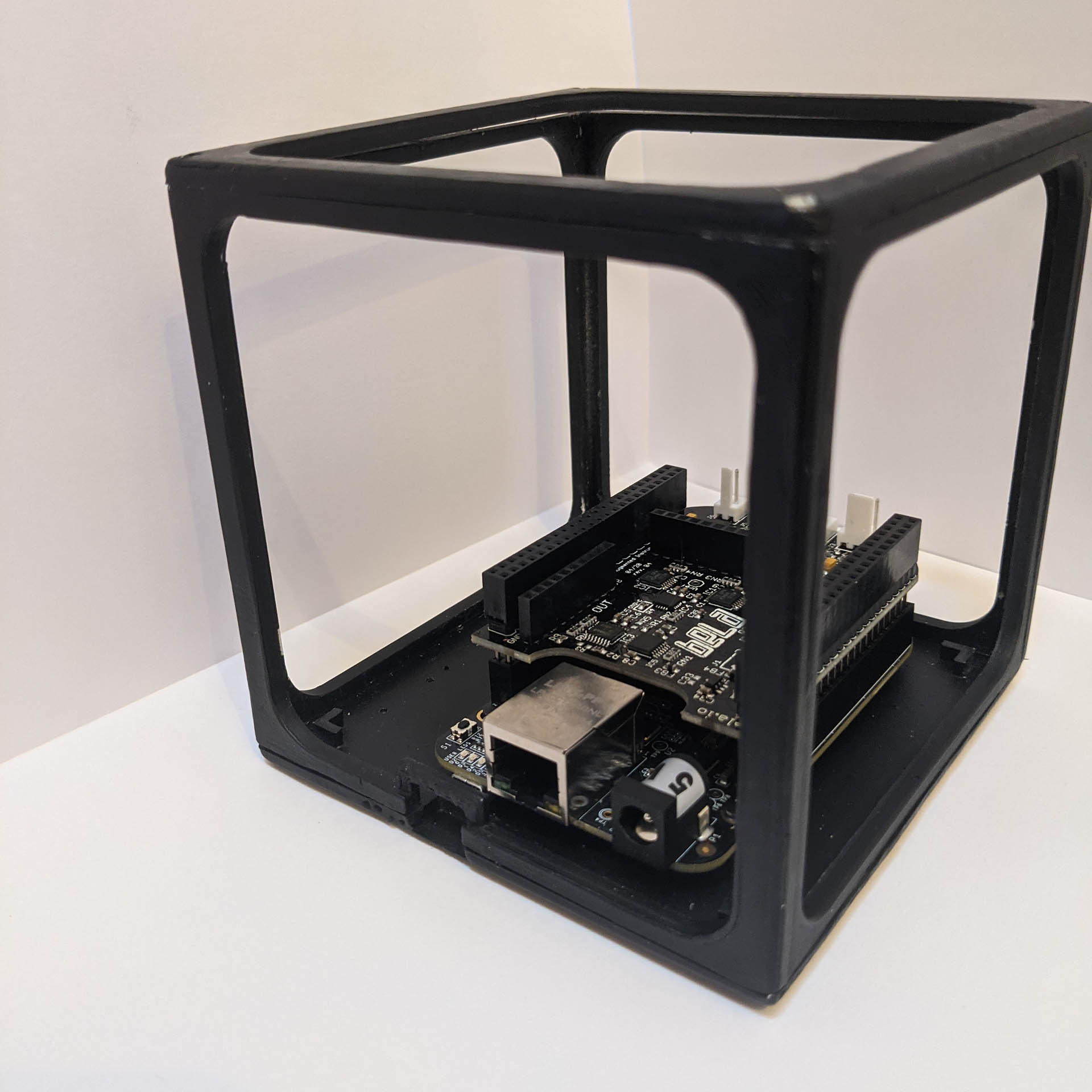
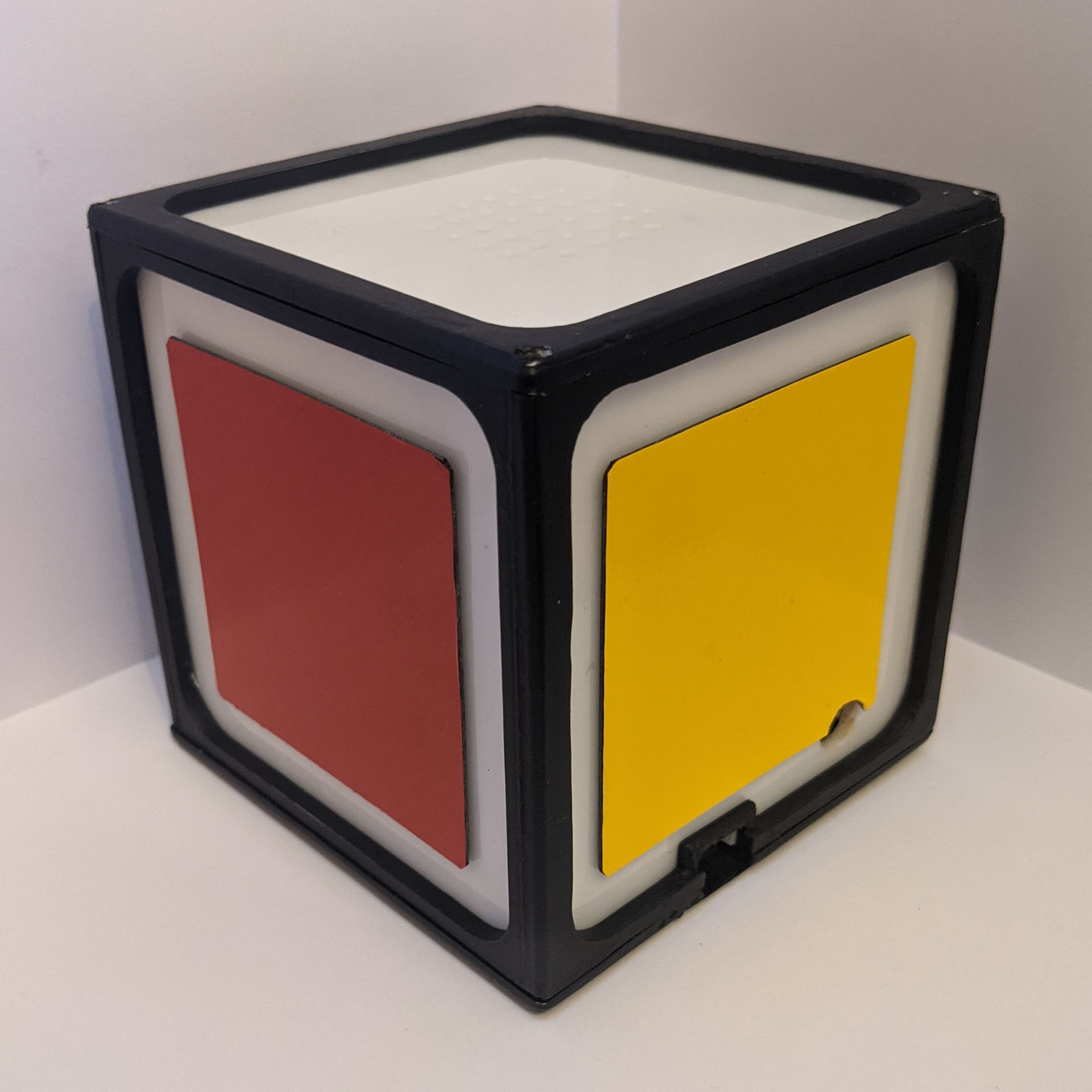
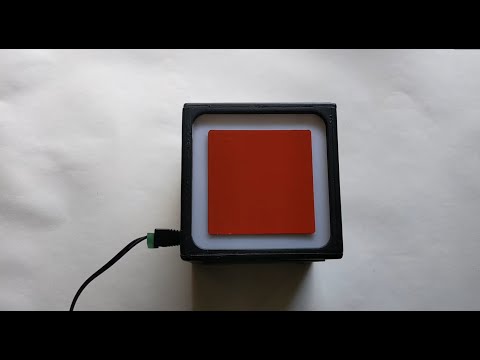
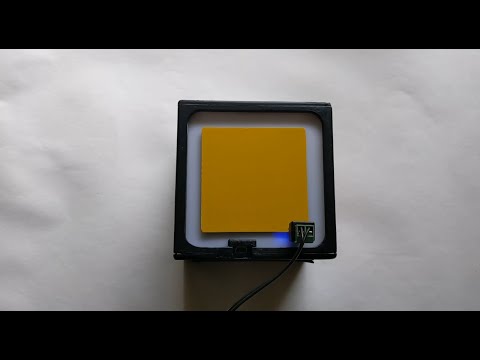
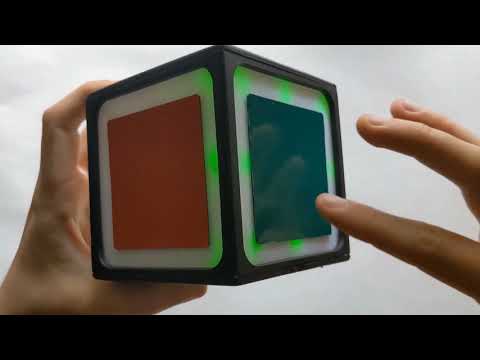
For my project I set out to create an interactive musical controller that could aid the musical education and expression of young children. There are similar existing products that have been built for this same purpose, however, in many of these products, there was not a way of providing non-sonic user feedback.
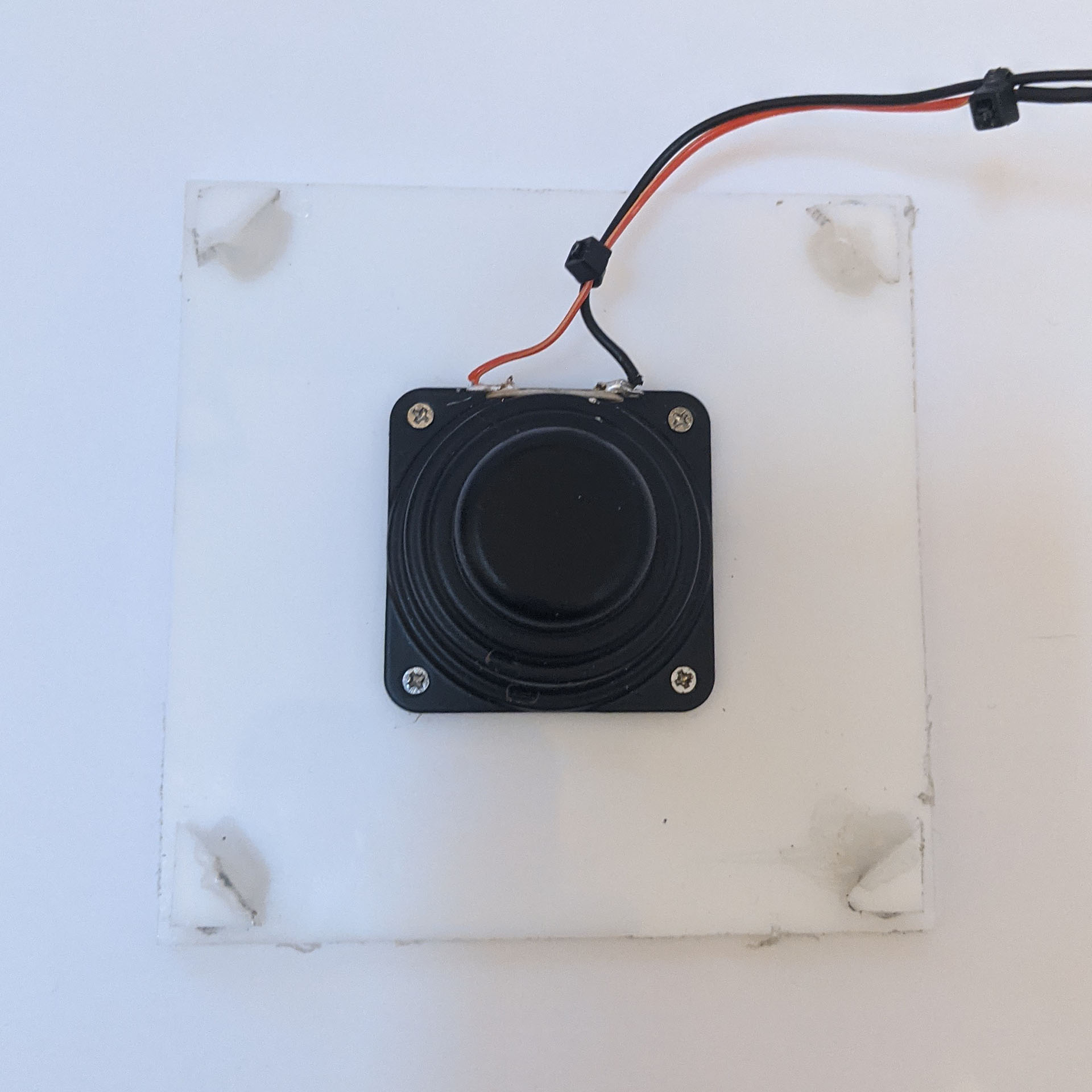
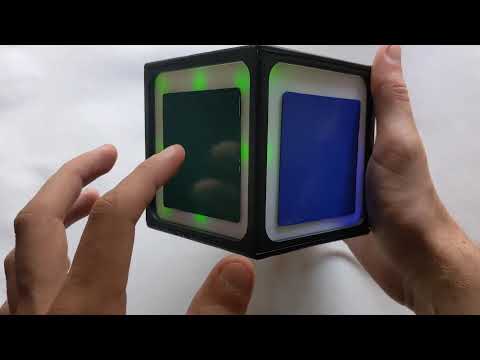
On a conventional musical instrument, like a guitar, there are non-sonic cues, such as the sensation of the instrument’s vibration or the sight of a moving string, the performer can use as information on the sound being generated. Many digital instruments simply generate the sound without providing non-sonic feedback (in the way of visuals or haptics) to indicate that a note has been successfully activated. This was something I wanted to explore in my own device.
With this in mind, the project was broken down into a list of aims for the end device:
1. The device must be accessible to children and to people who do not possess the strength to play conventional musical instruments.
2. The device should be designed to be played with some degree of musical expression, both sonic and visual.
3. The device should introduce musical ideas to children – like rhythm and musical gesture - that would be useful to them later in their musical education.
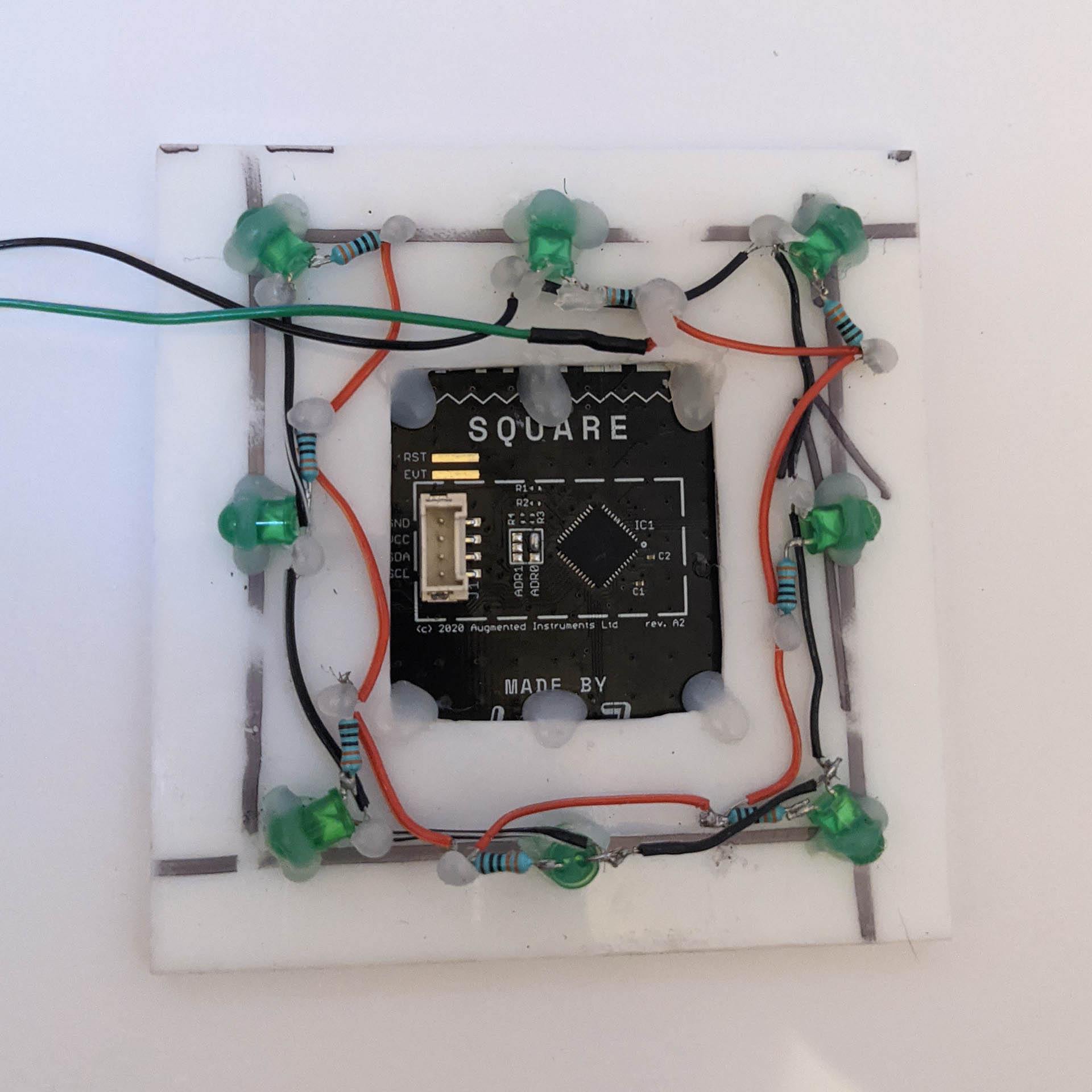
4. The device should make use of visual and haptic elements to instantly and non-sonically communicate information with its user.