


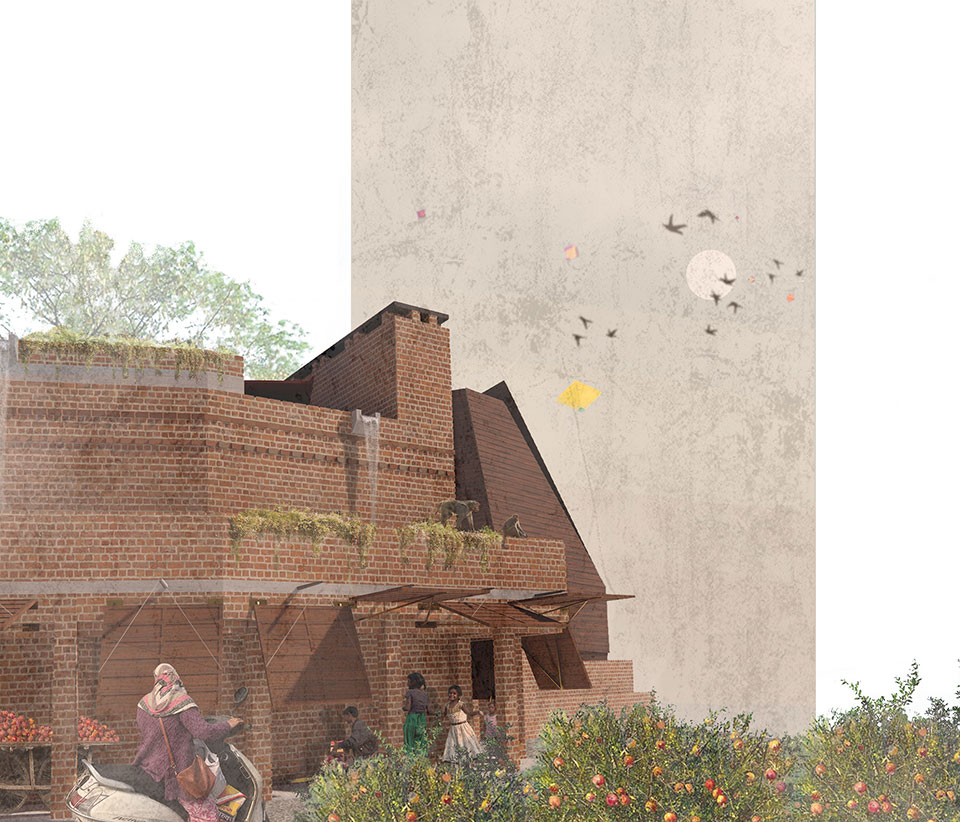

Thesis Overview
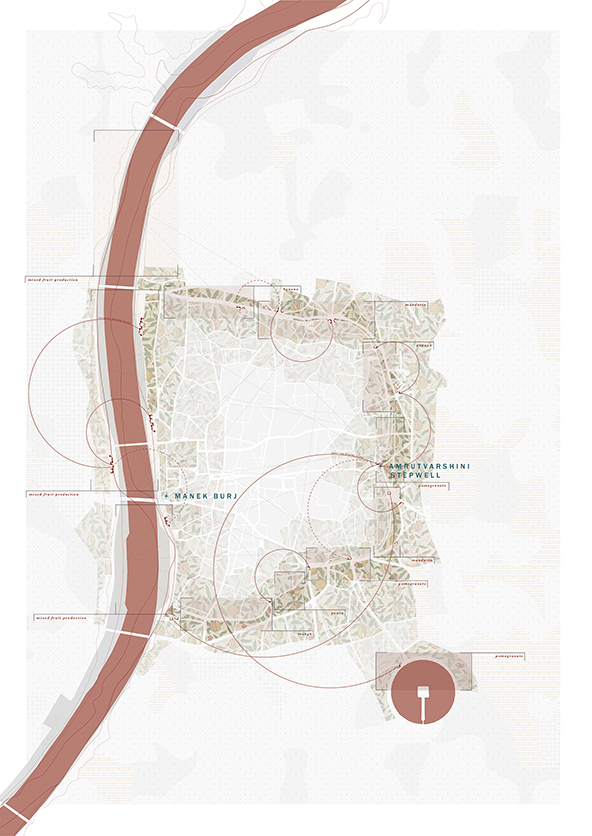
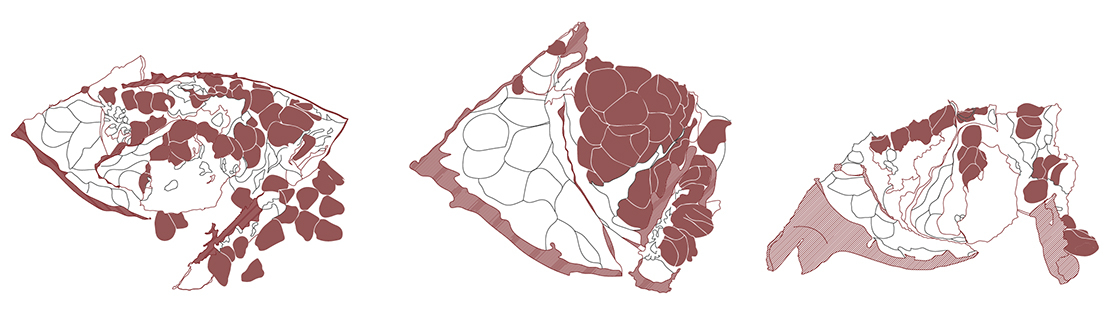
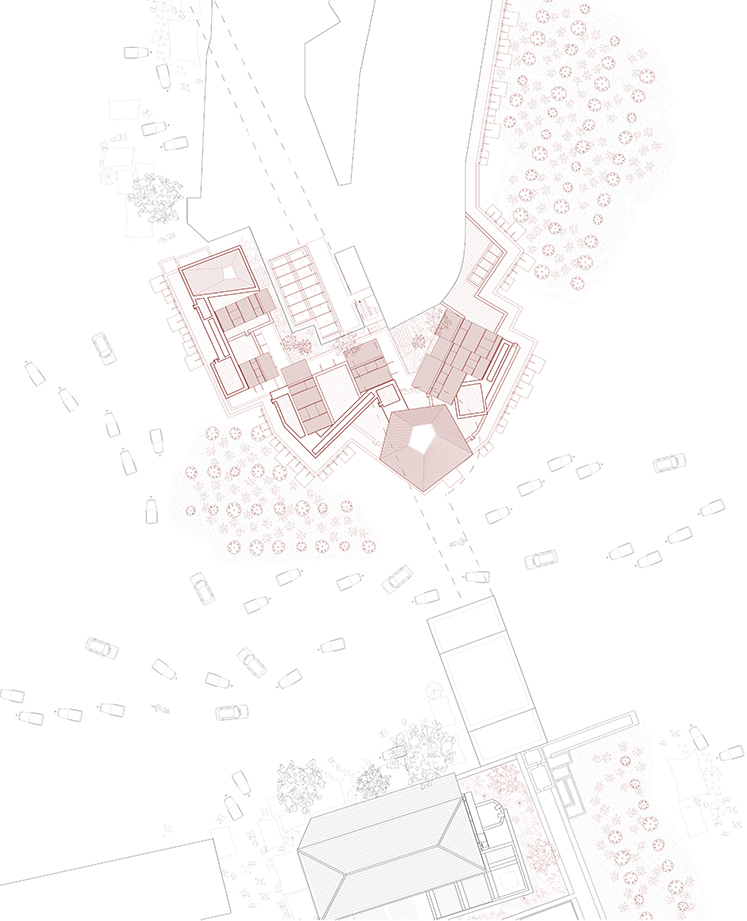
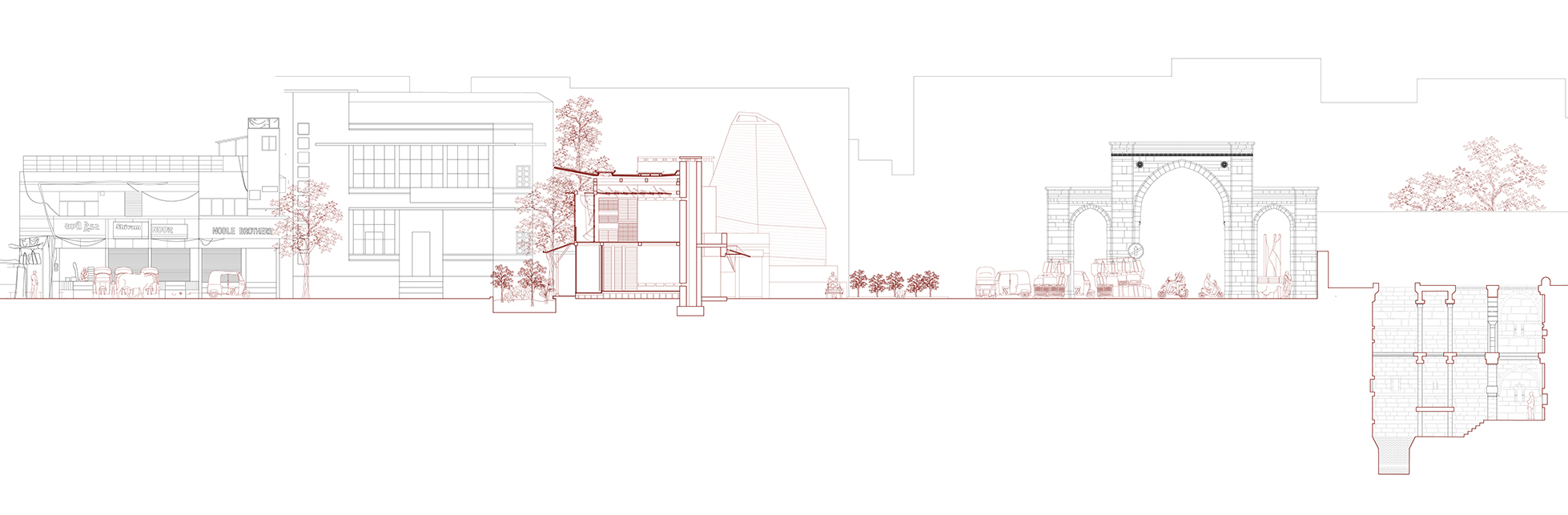
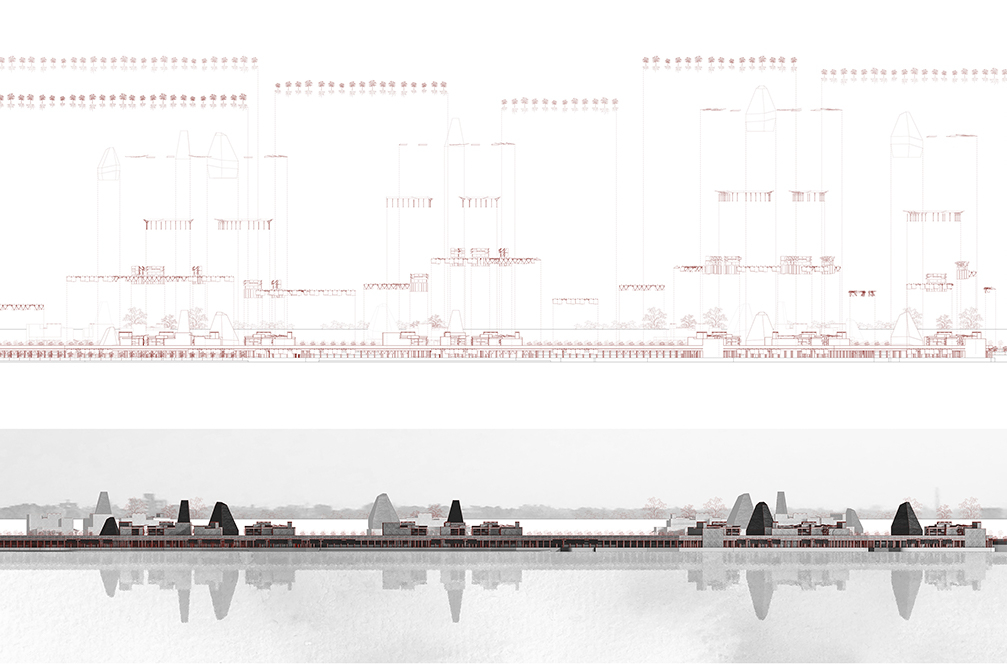
Ahmedabad’s Old City is a ruptured pomegranate. The thickness of the old city walls has been peeled back; its seeds have spilled to the periphery. Simultaneously, fruit production in India is facing challenges due to inefficient postharvest systems, poor irrigation and decentralisation. Large transport distances result in high wastage and reduced fruit quality, diminishing farmers’ profits. Paradise Pomegranate tests the potential of Ahmedabad’s old city walls as an instigator for reconfiguring Ahmedabad’s fruit-scape and its consequential role within the larger metropolitan network.
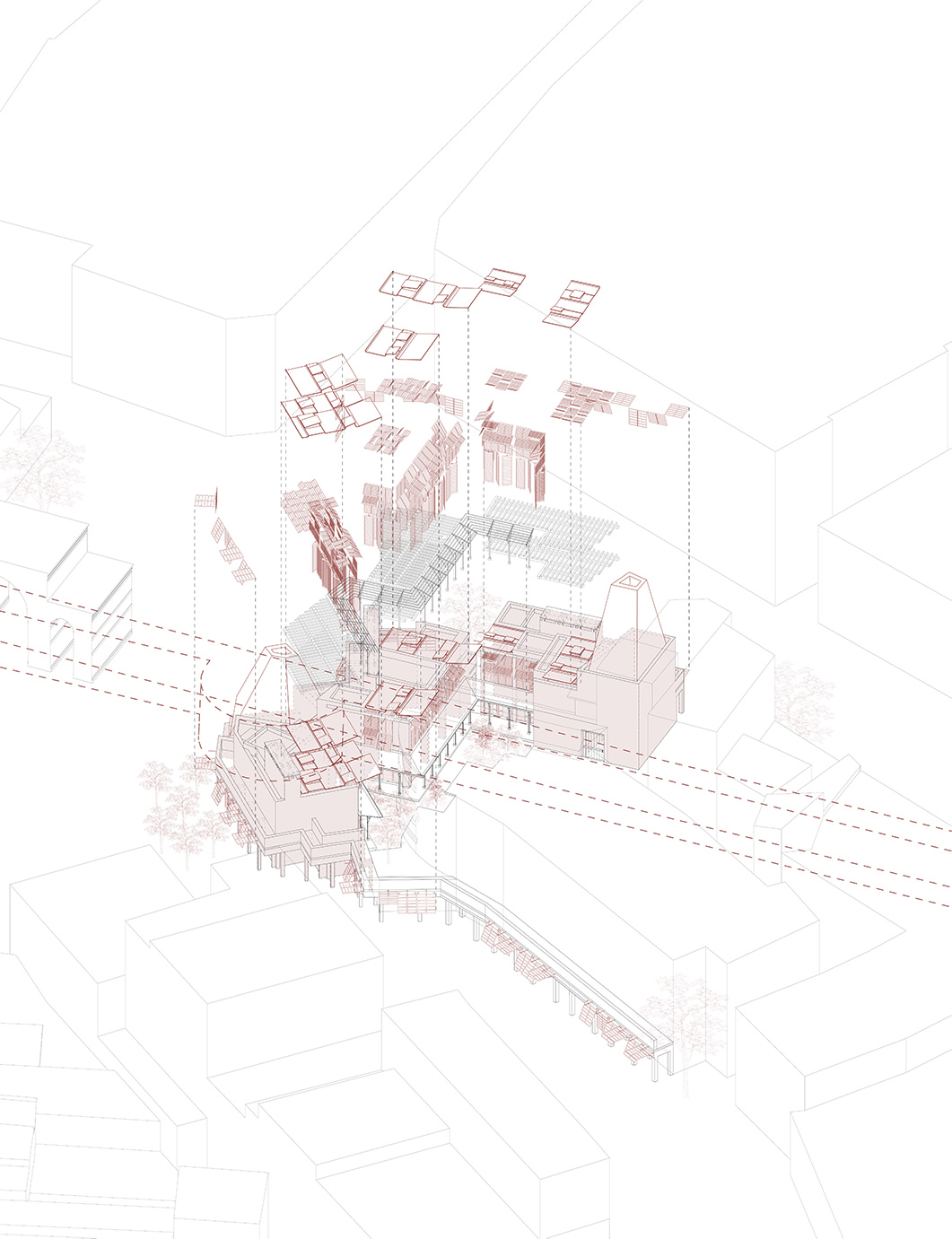
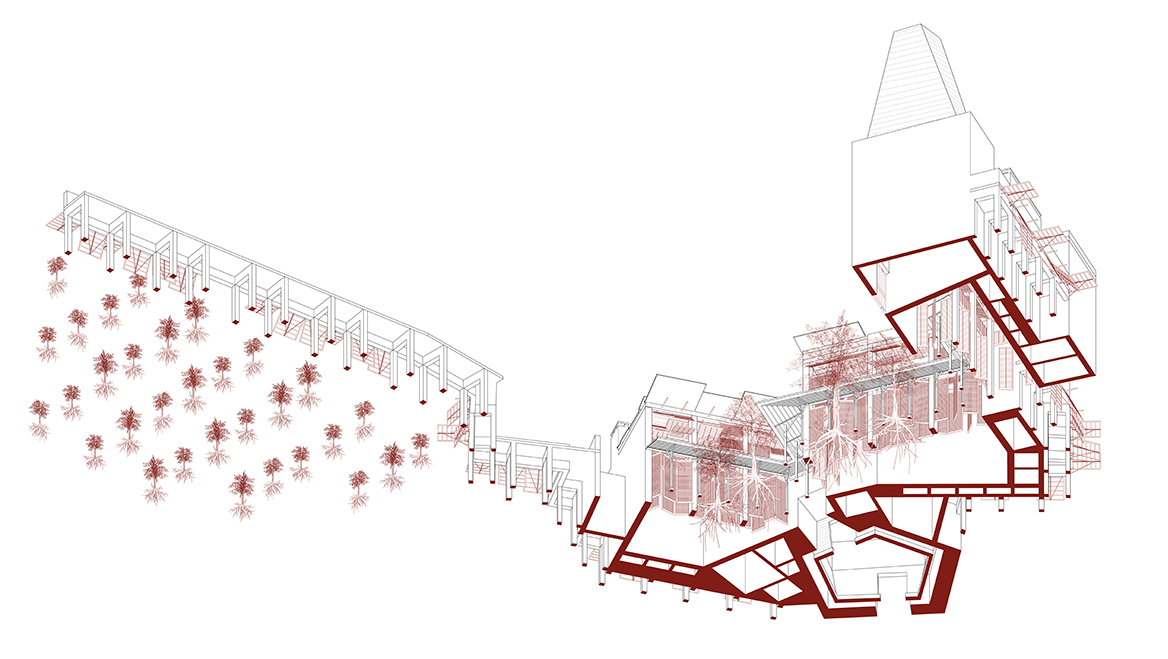
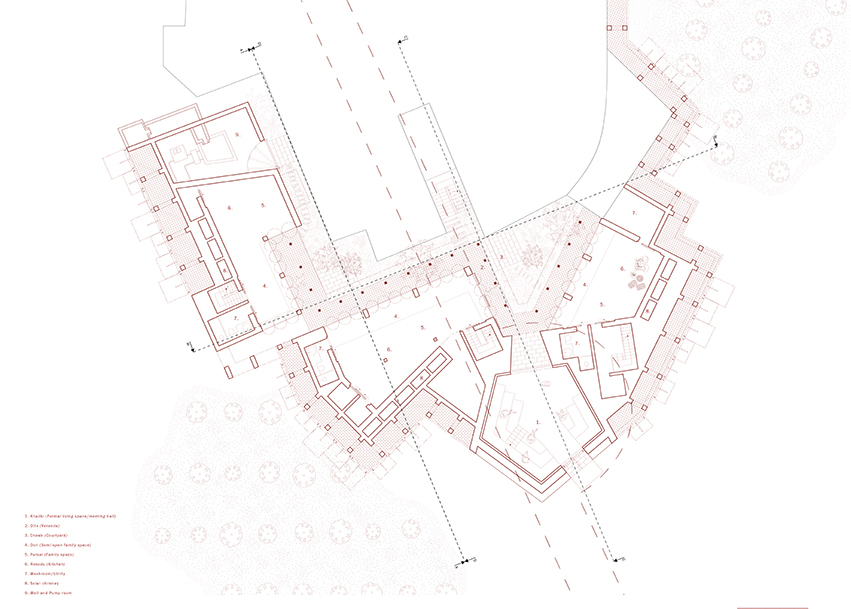
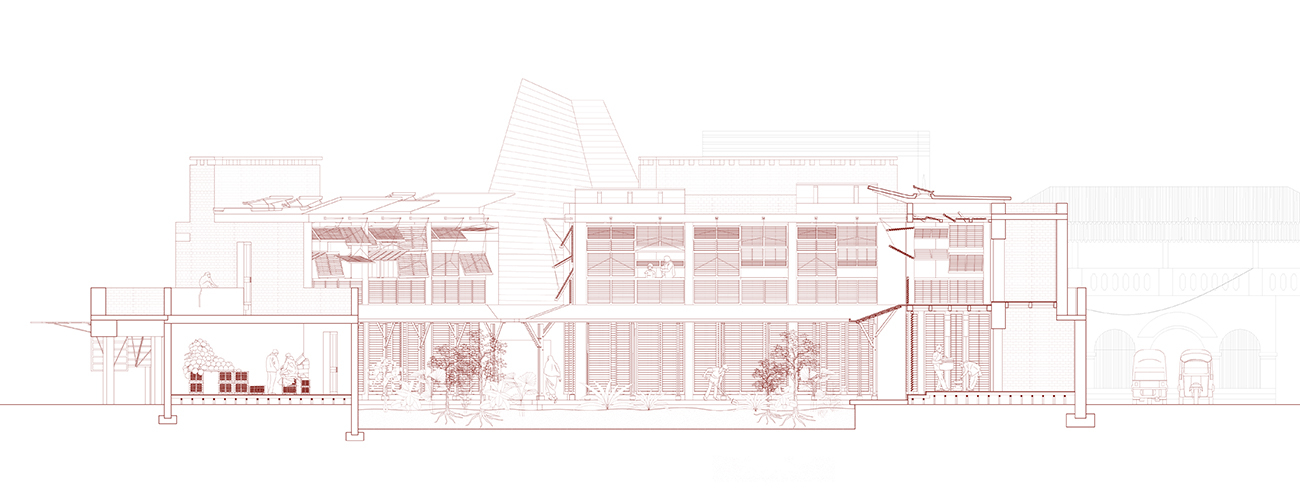
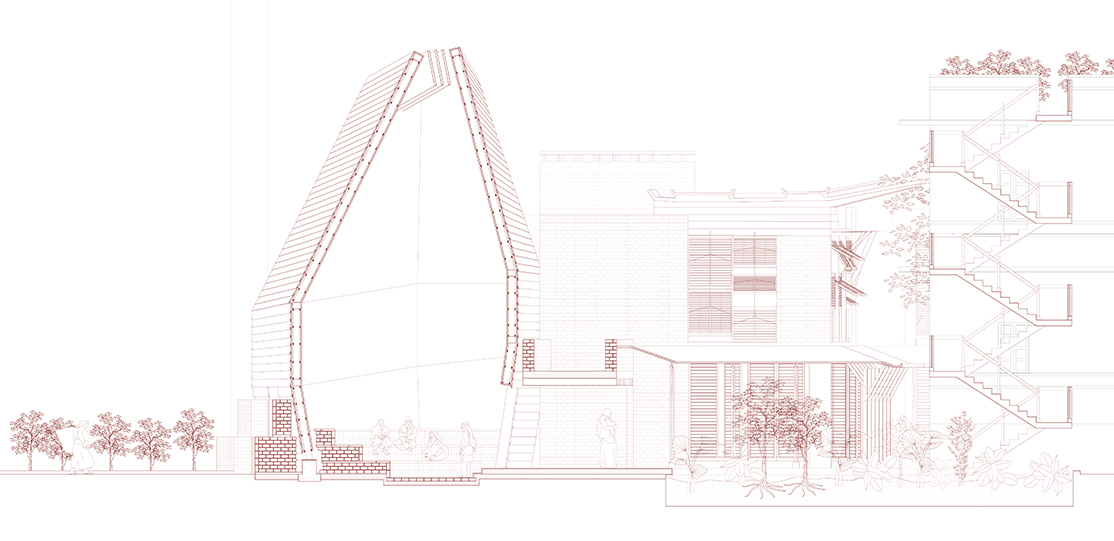
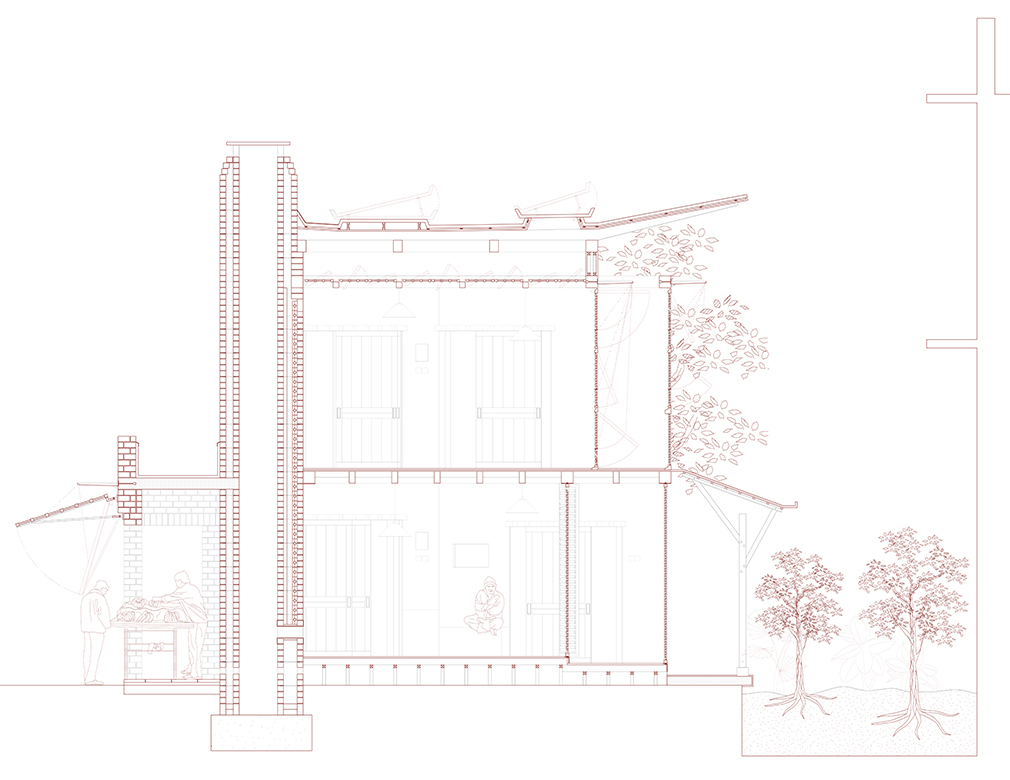
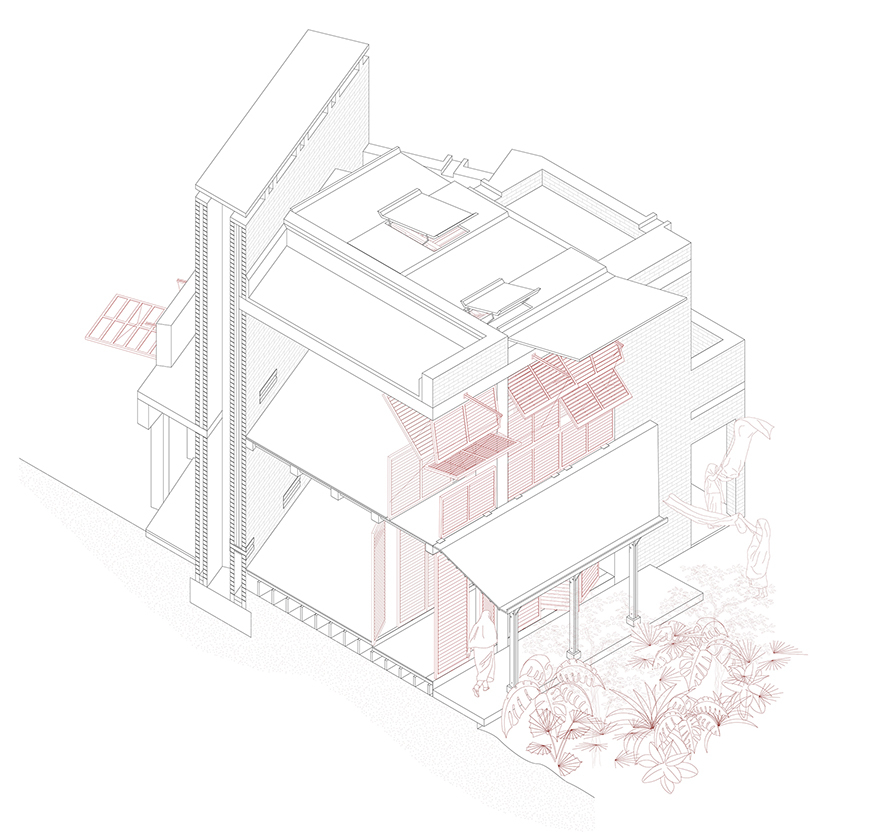
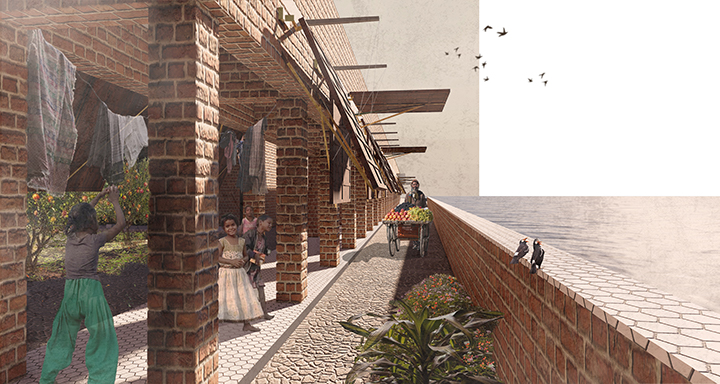
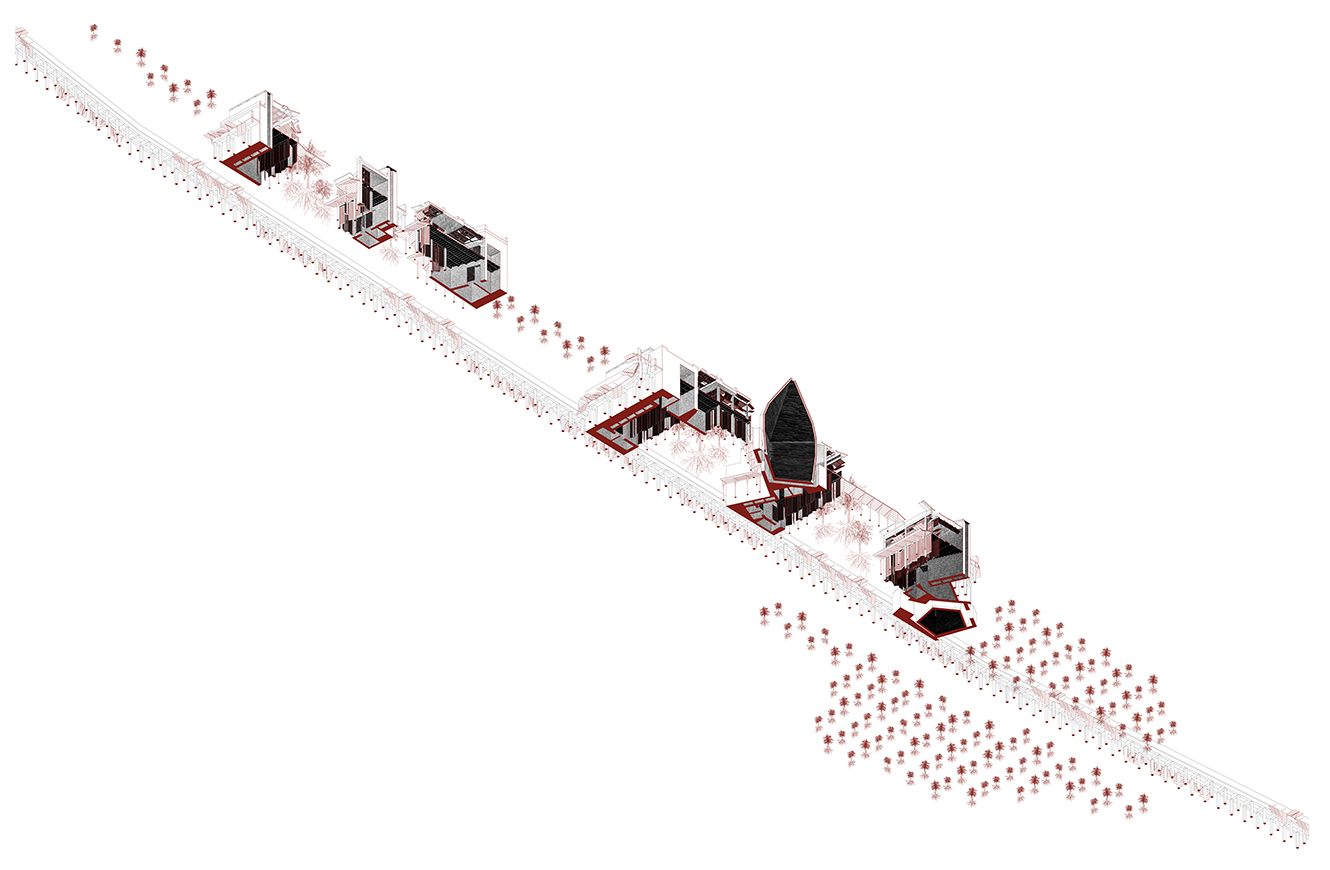
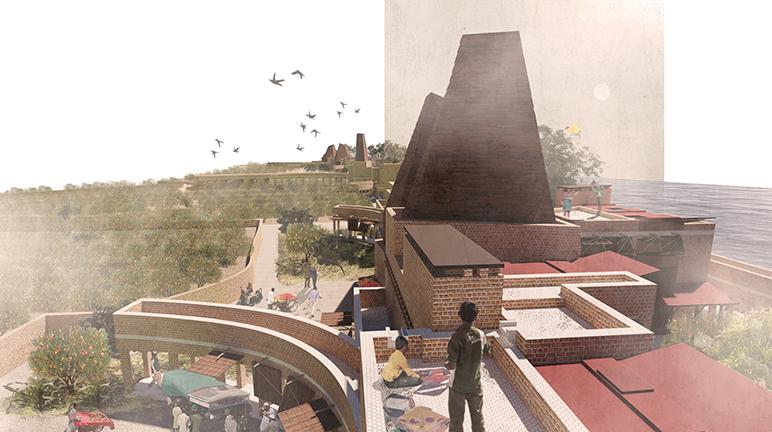
Visualising the [in-between] zone of the Old City Walls as both an inside and outside, three architectural agencies of Selling, Growing and Dwelling become the apparatus for forging fruitful interventions and creating conditions of continual wetness. The intensity of this liminal condition is transposed to the Sabarmati Riverfront Project, where vast openness offers potential for further cultivation. As the agencies emerge, so does the etymological link between culture and cultivate: tilling the land and acquiring skills. Paradise Pomegranate does not aspire to utopian ideals, but gestures instead towards evocations of lushness and delight, rooted in the modest origins of the word ‘Paradise’ in Old Iranian as a ‘walled enclosure’.





![[A]-Transpositions-at-the-Auction-House-01.jpg](/sites/default/files/styles/full_width_image/public/2021-06/%5BA%5D-Transpositions-at-the-Auction-House-01.jpg?itok=jMiFgaha)

