Zero Waste Fashion
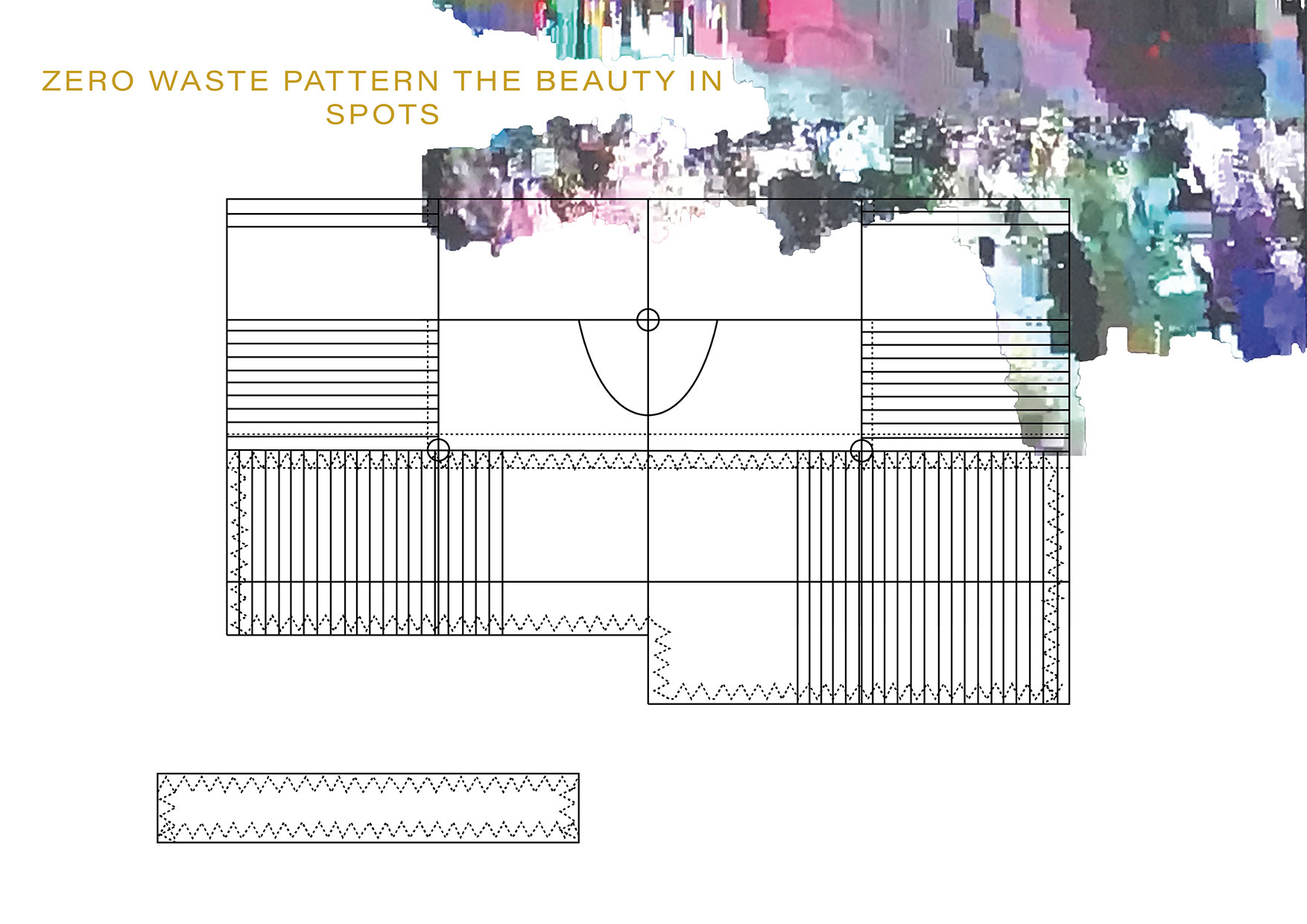
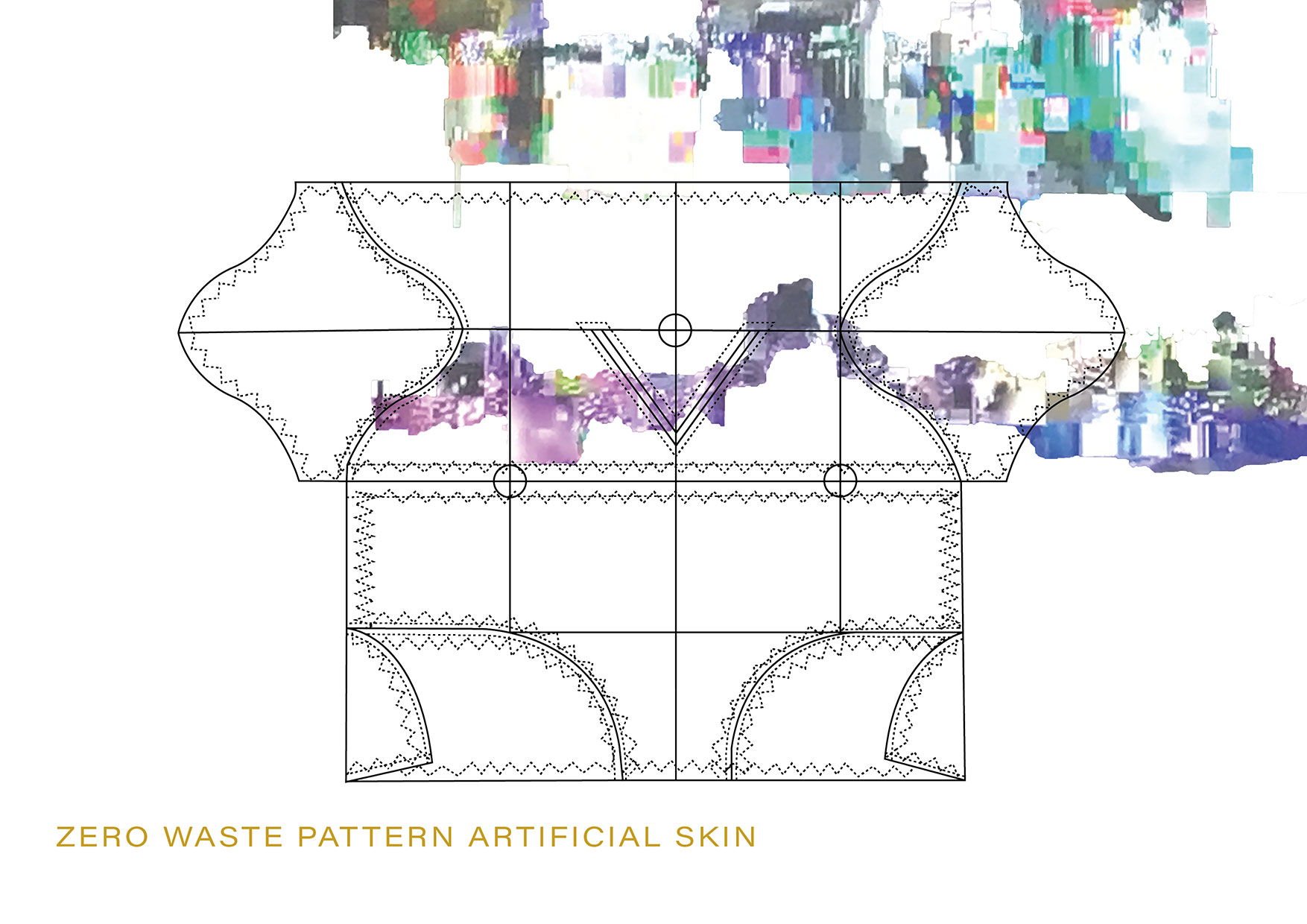
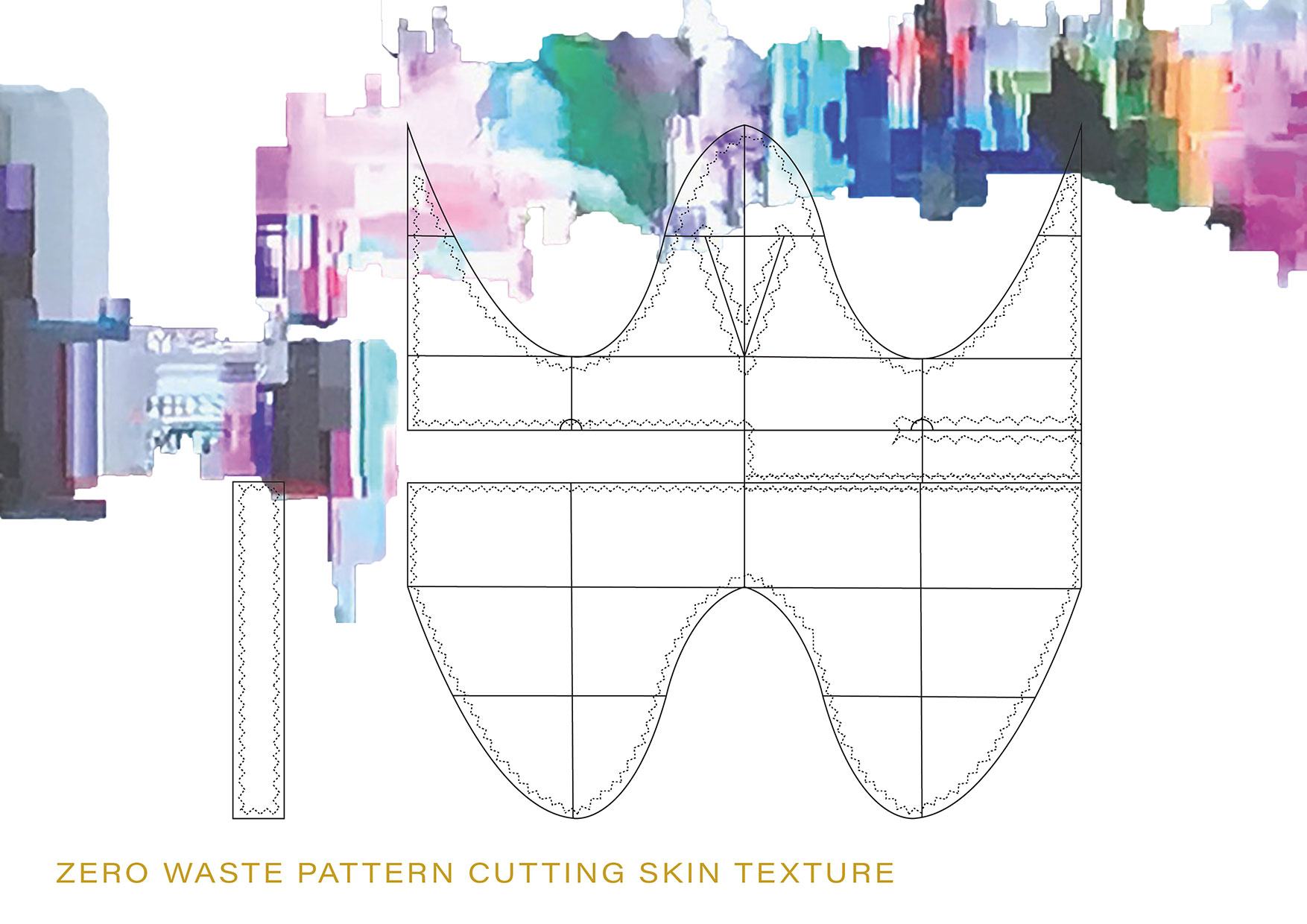
All garments are made using zero waste pattern cutting techniques to reduce fabric waste.


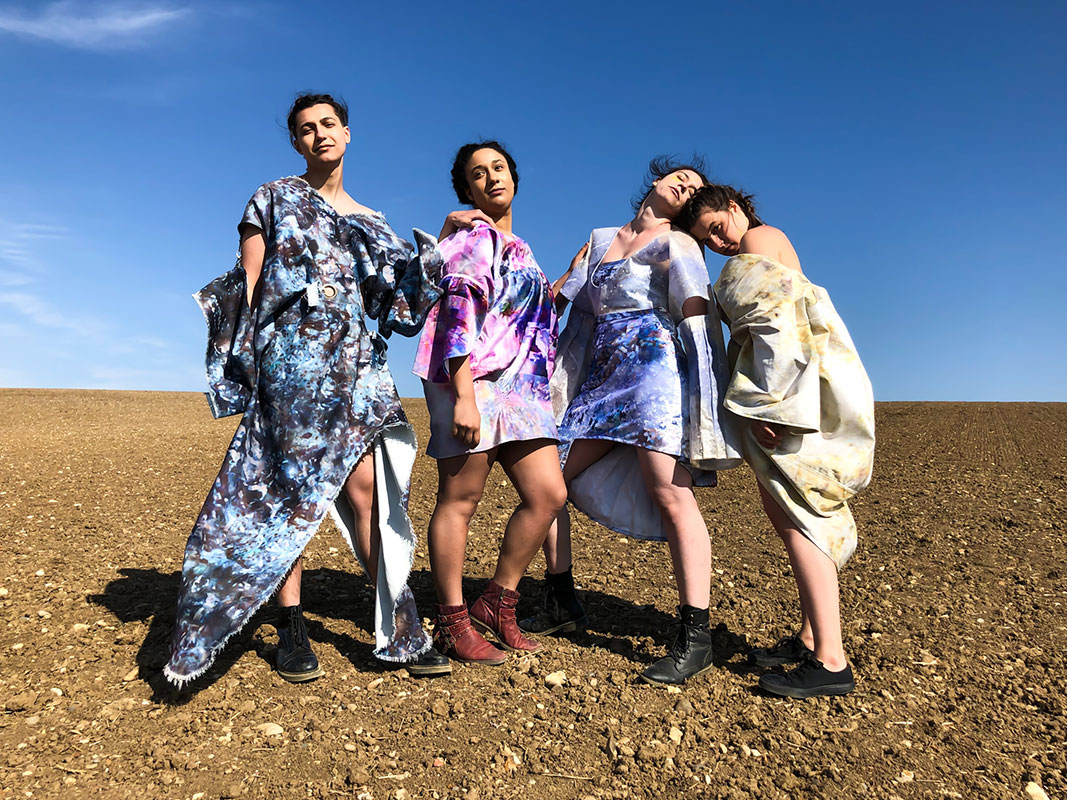

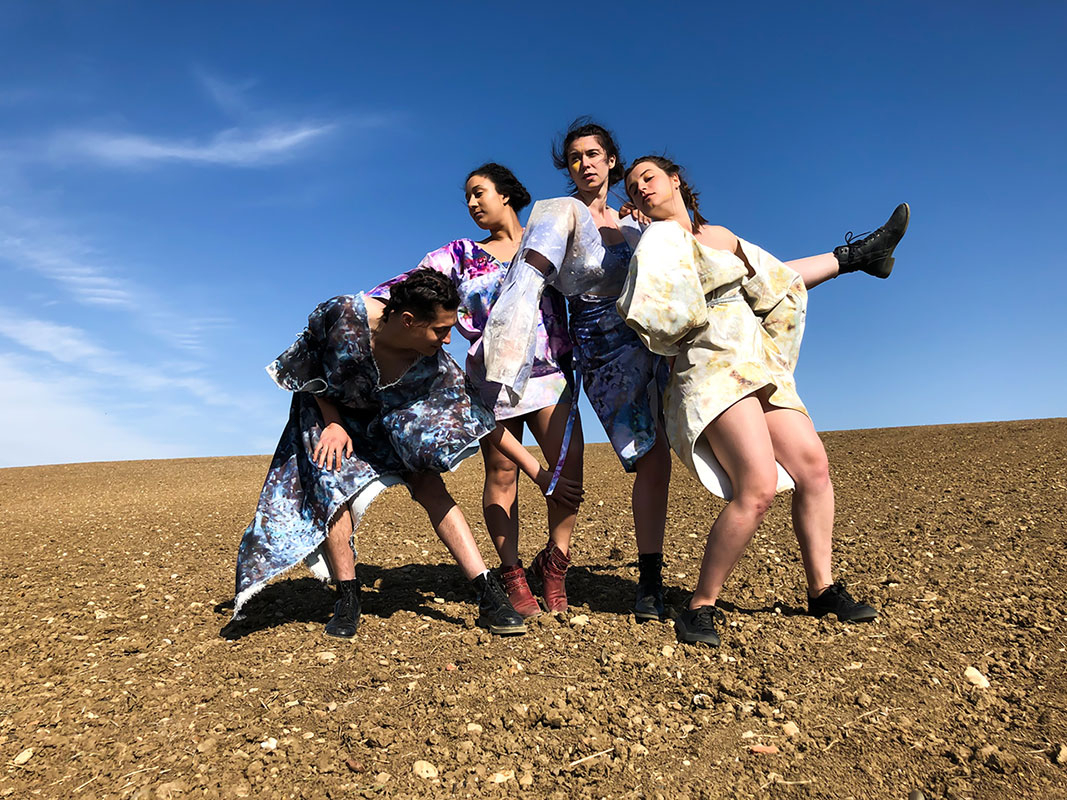
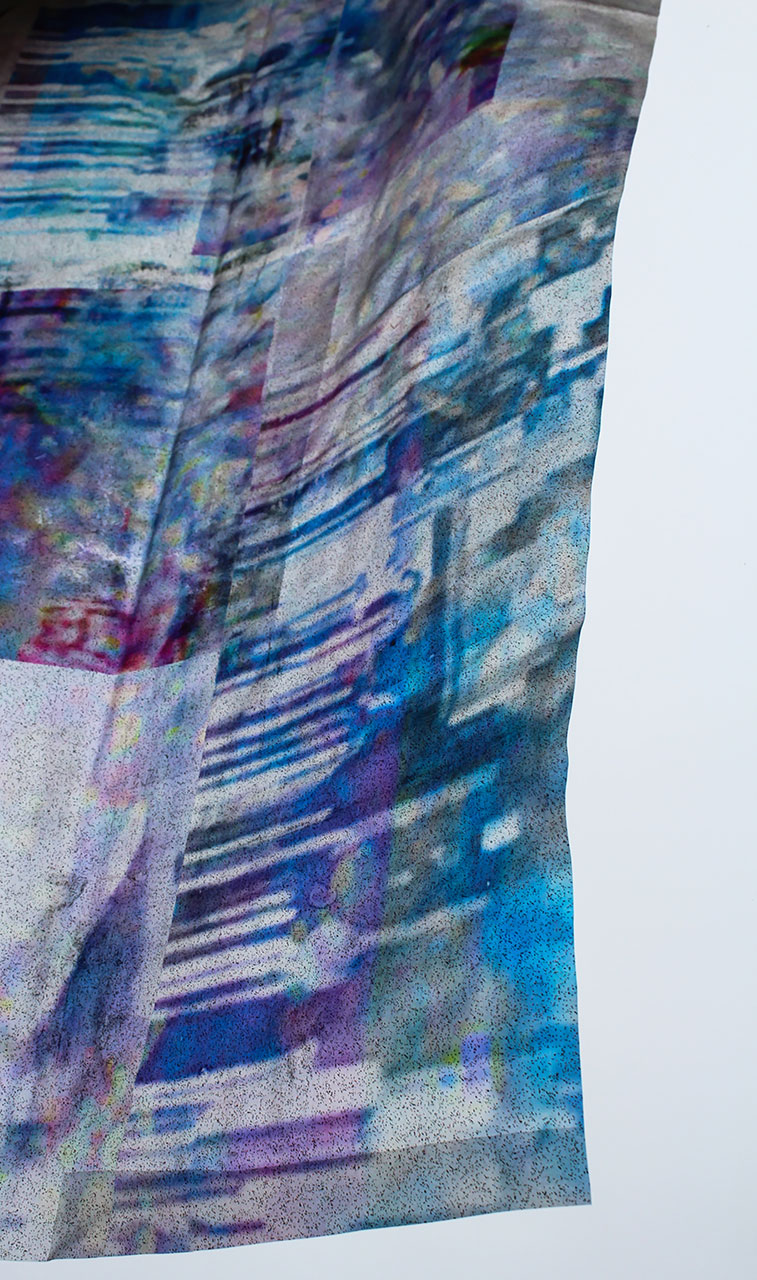
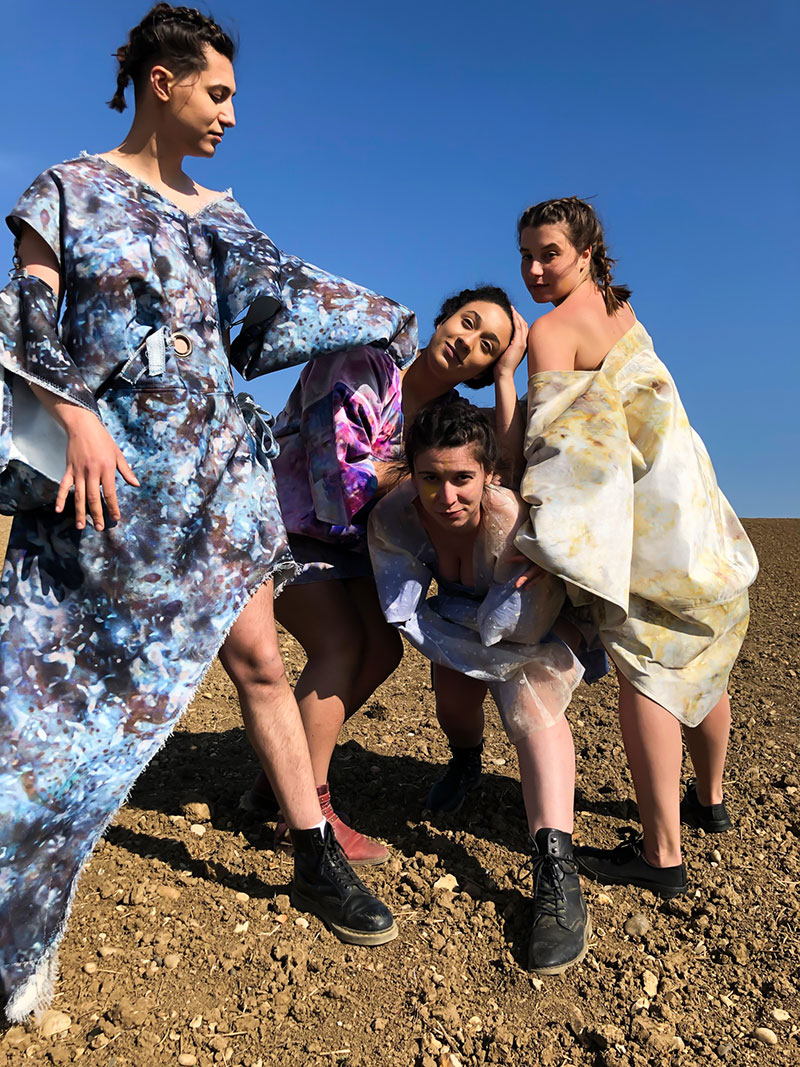
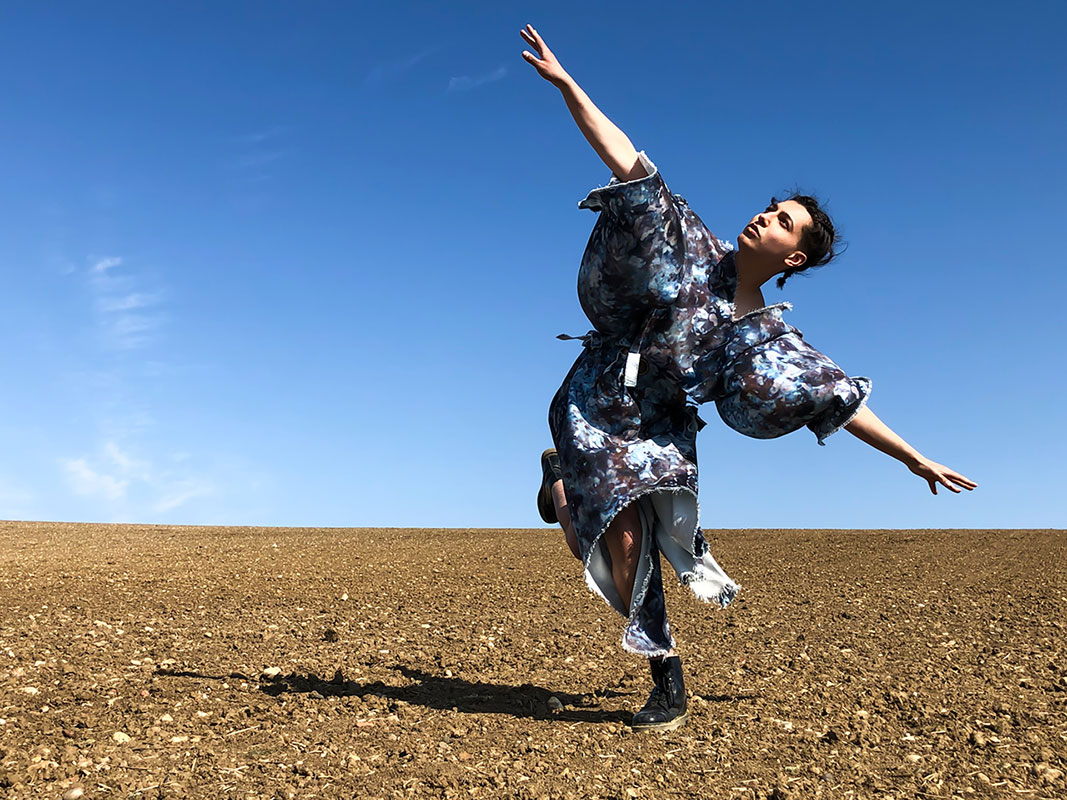
This collection is inspired by the Japanese philosophy Wabi-sabi - seeing the beauty in imperfection. I applied this concept to western beauty standards, focusing on the skin. As wabi-sabi has an appreciation for nature, I take skin ‘imperfections’ and combine them with similar ‘imperfections’ found in nature as there is a tendency to see nature as something beautiful, whilst skin ‘imperfections’ are not. By combining them, I create beautiful images, anticipating that individuals might be influenced to embrace their ‘imperfections.’ The aim of this project is to make a subtle statement about our ‘imperfections’, which societal constructs deem faults and for us to challenge these notions - see the beauty in them and acknowledge being at odds with self–loathing. To portray the elements of self-loathing, the textiles gradually become increasingly glitchy, representing the use of technology such as Photoshop to alter appearance drastically for self-portrayal online. The intention is to demonstrate the negative impact social media can have on constructing perceptions of beauty and the desire to morph ourselves to fit beauty ideals.

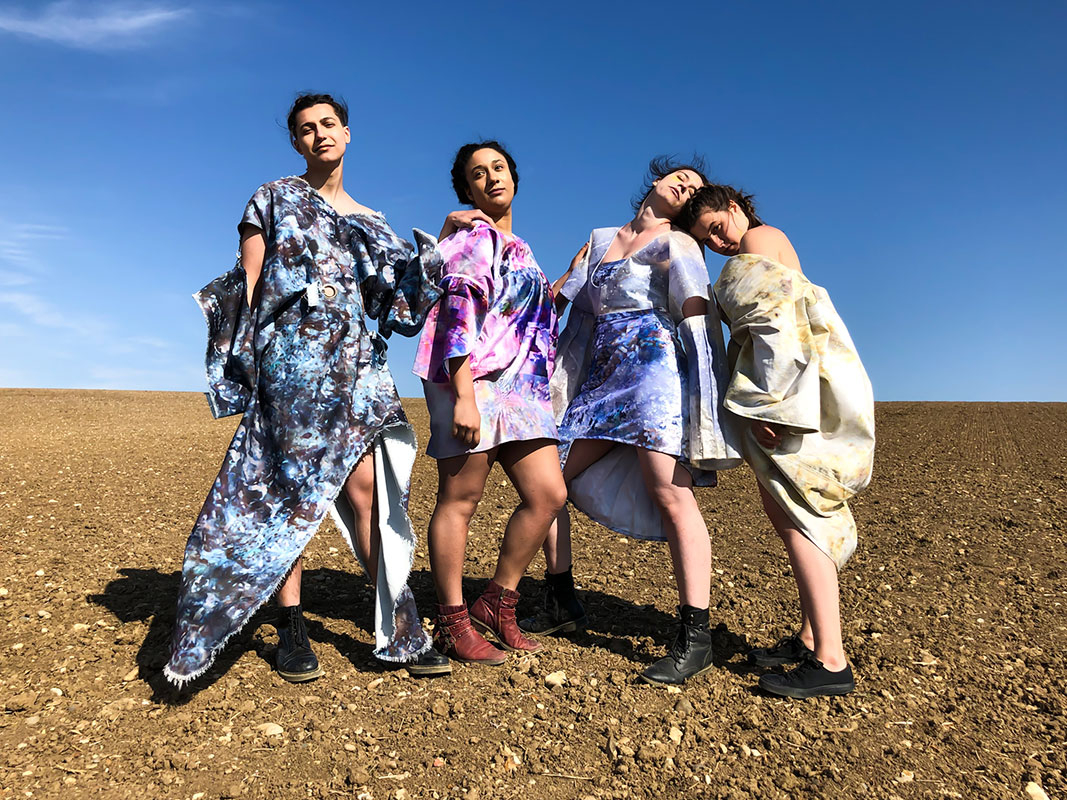
Through the fashion dance short ‘prettyUGLY’, film director and movement artist Red-Cor invites the viewer in an active process of co-creation, of looking at oneself bare. Fashion designer Kirsten Gair brings forward a collection of garments printed with microscopic images of her own body’s imperfections.
TEAM: Directed/Produced: Red-Cor. Costume/Fashion: Kirsten Gair. DOP/Edit: Corina Andrian. PERFORMERS: Kirsten Gair, Lia Marin, Andrei Catalin Nistor and Christina Tudor. MUSIC (LIGHT): Wyatt MacDermott. MUSIC (DARK): Quartet No.6 and Quarter No.5:III, Composed by Matthew Whiteside and performed by Aurea Quartet. Production Assistant: Zaquis Riddick. Special thanks: Keita Ikeda.


All garments are made using zero waste pattern cutting techniques to reduce fabric waste.



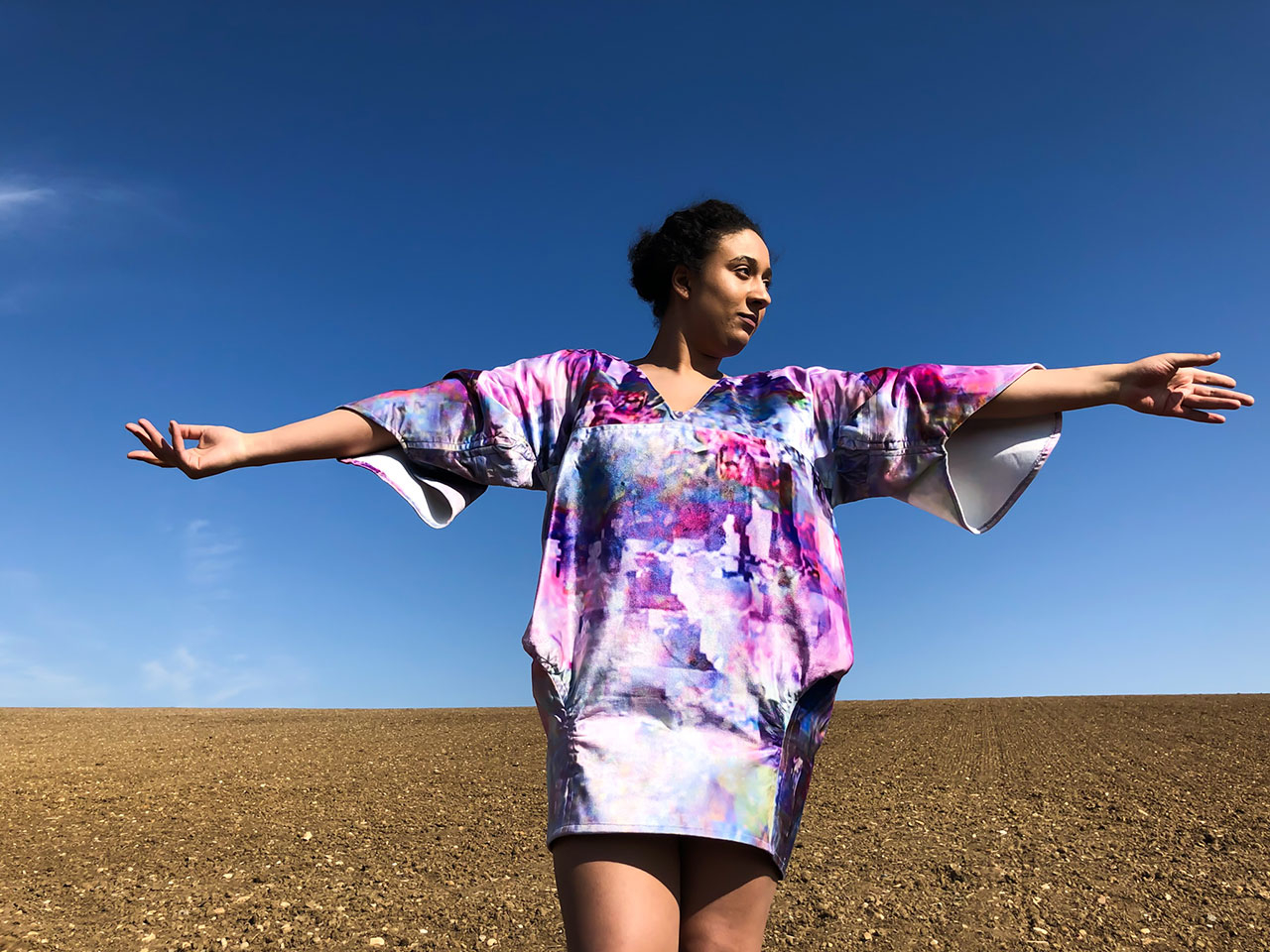
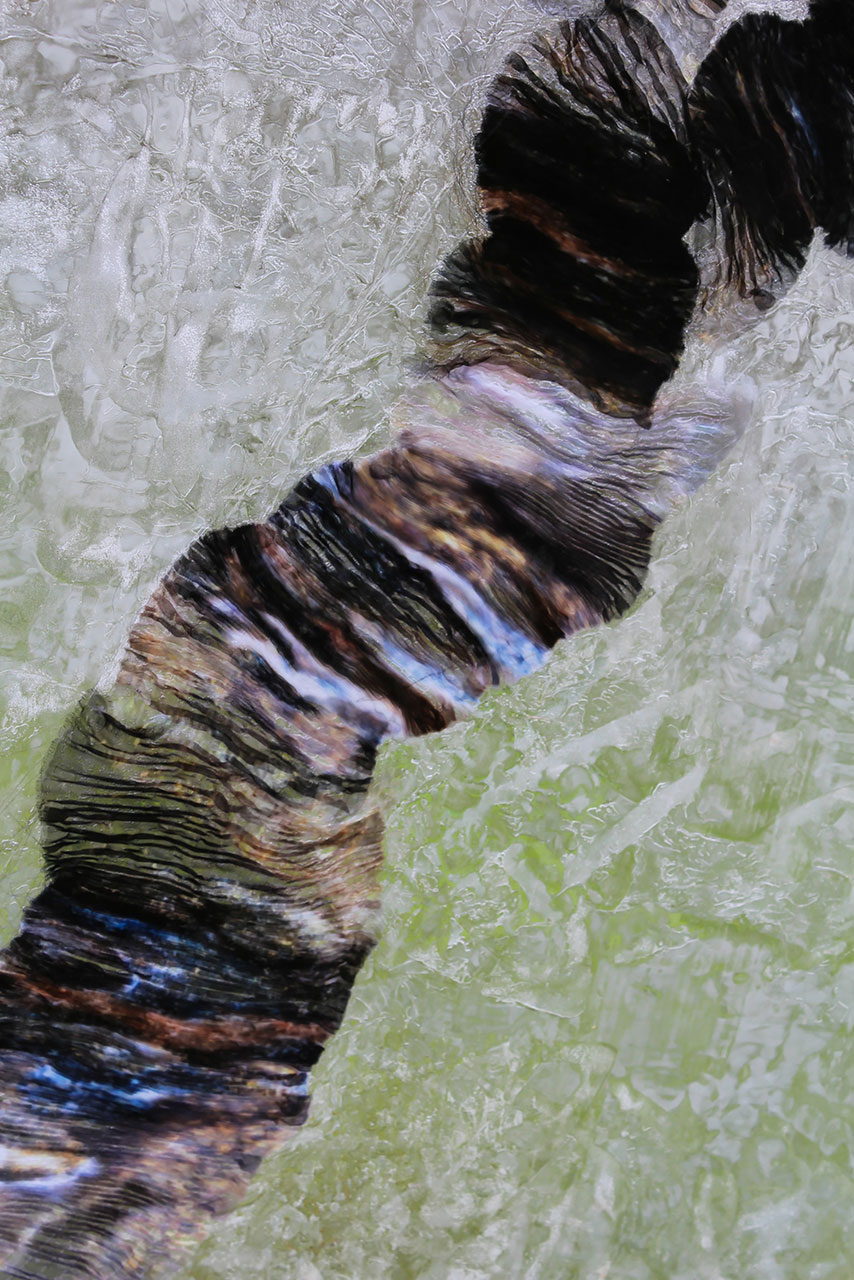
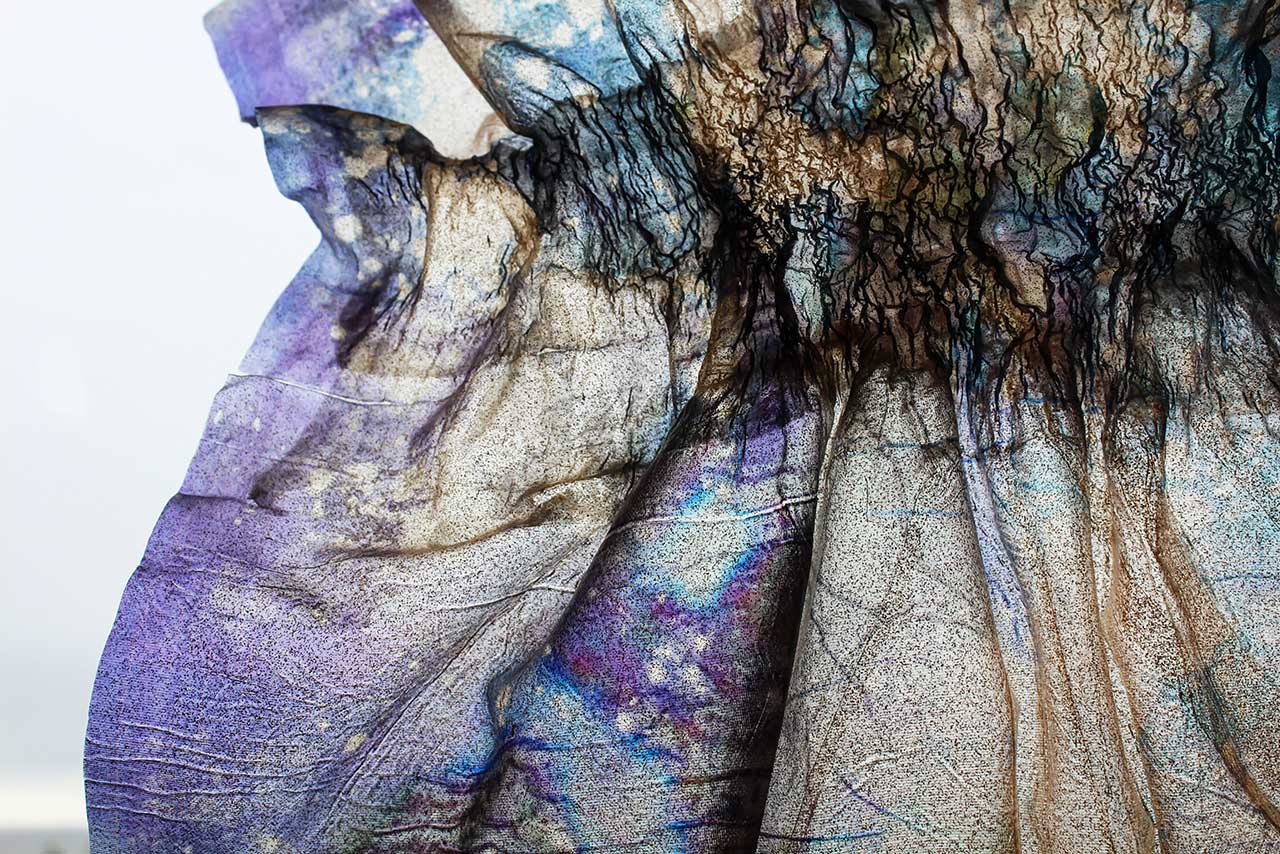
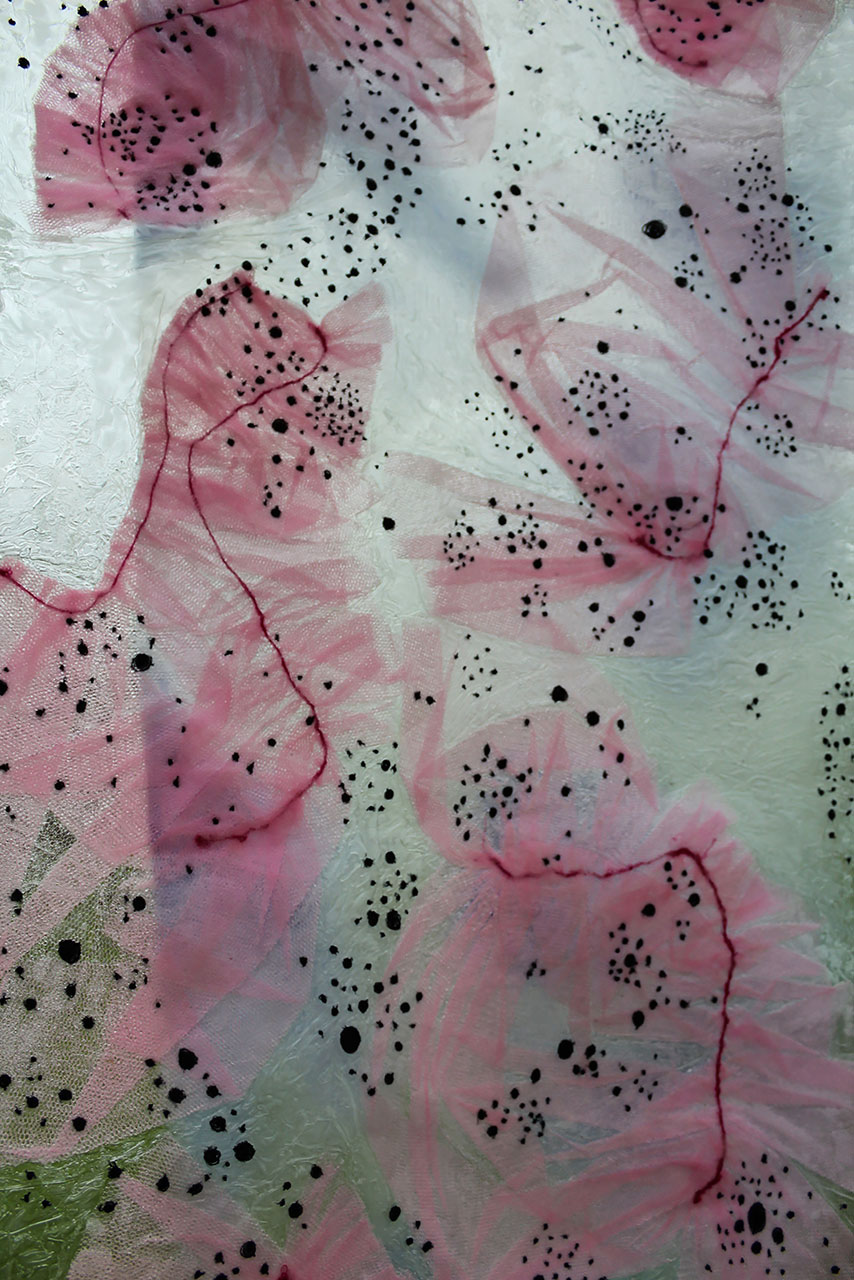
Experimenting with TPU (an advanced plastic that is biodegradable)and deadstock material and further distorting textiles to imitate skin as well as continuously transforming the same imagery to look different, thus commenting on perceptions of beauty and the desire to continuously alter one’s appearance.

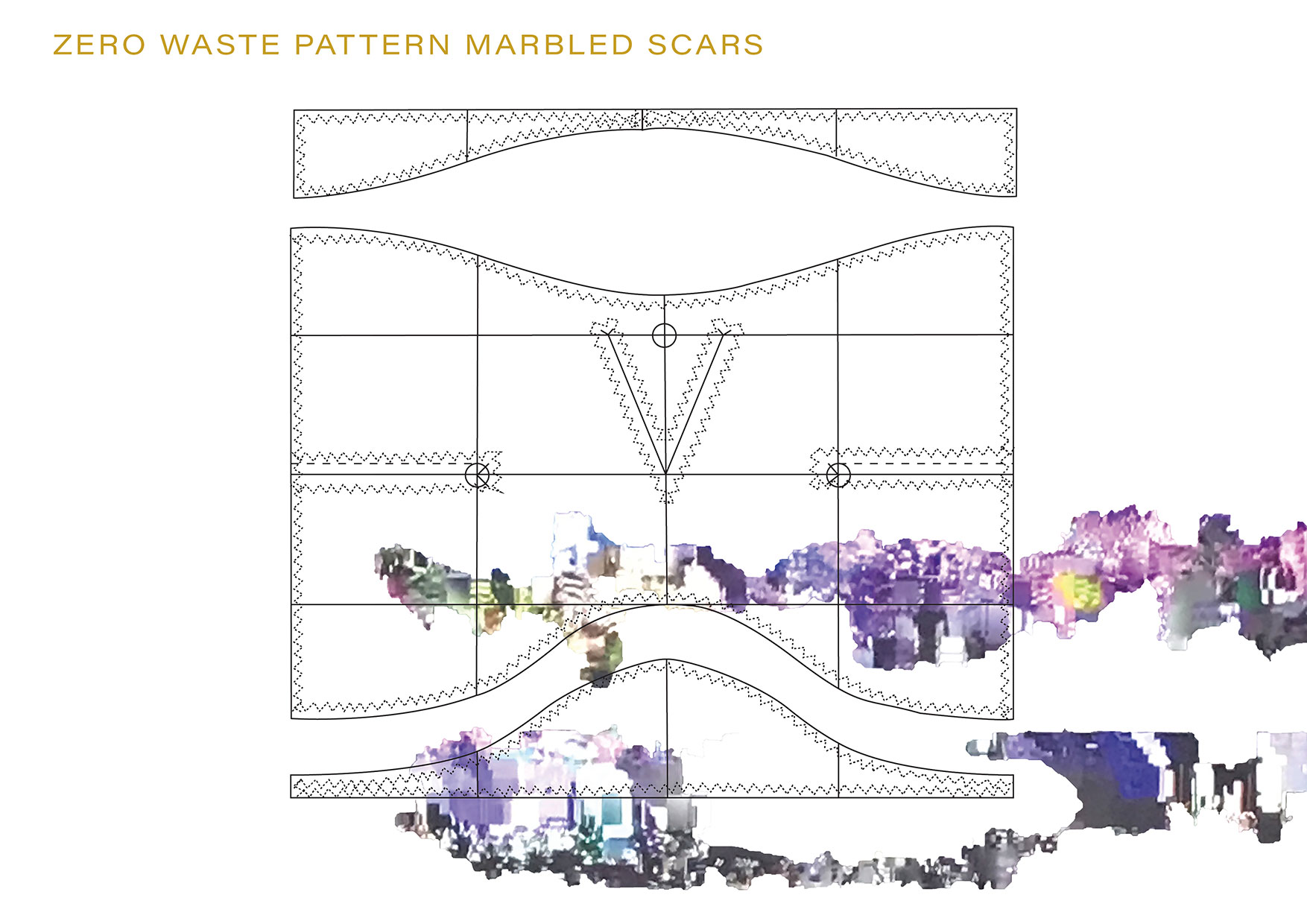


Zero waste pattern cutting involves using all the fabric to reduce waste. I experiment with ways of emphasising the waist as zero waste garments tend to be over sized and this would be able to accommodate more body types.


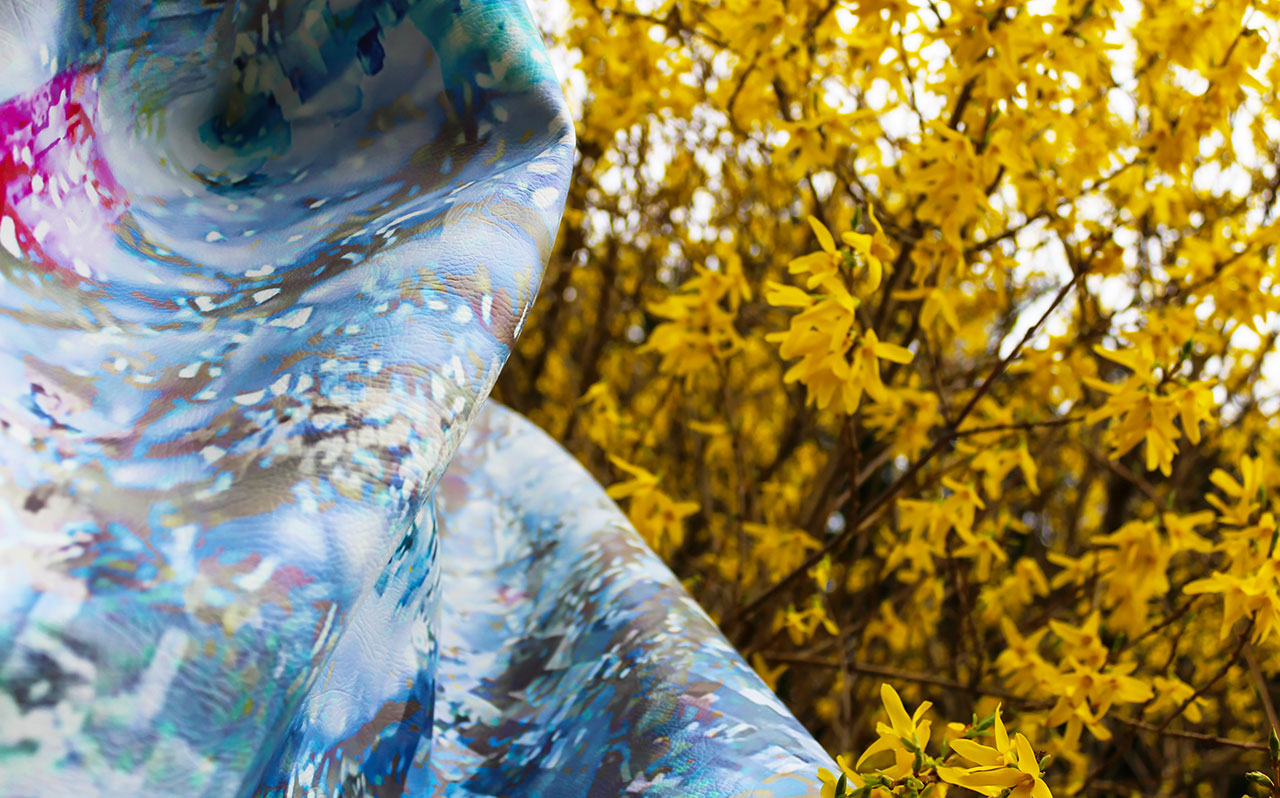


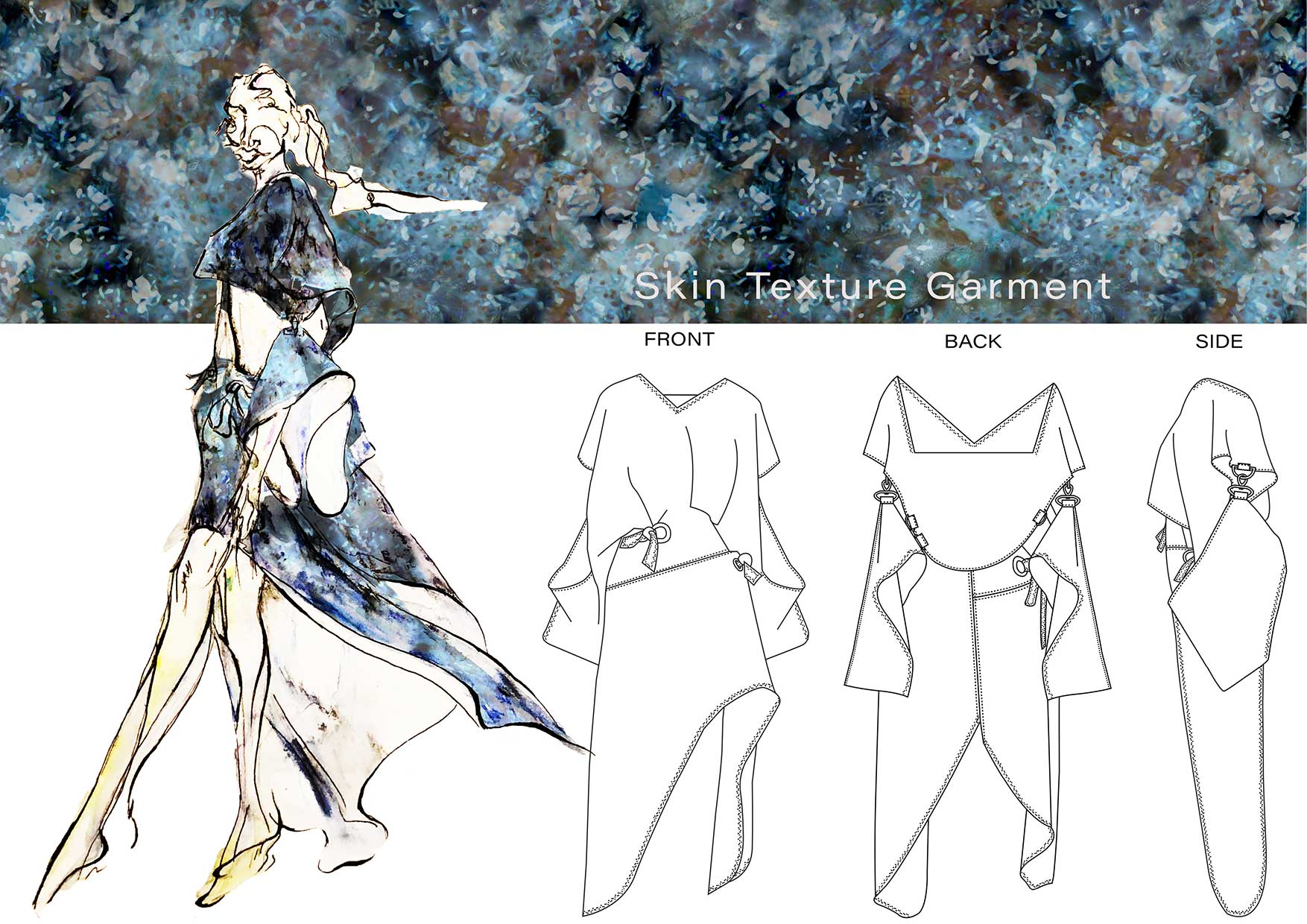
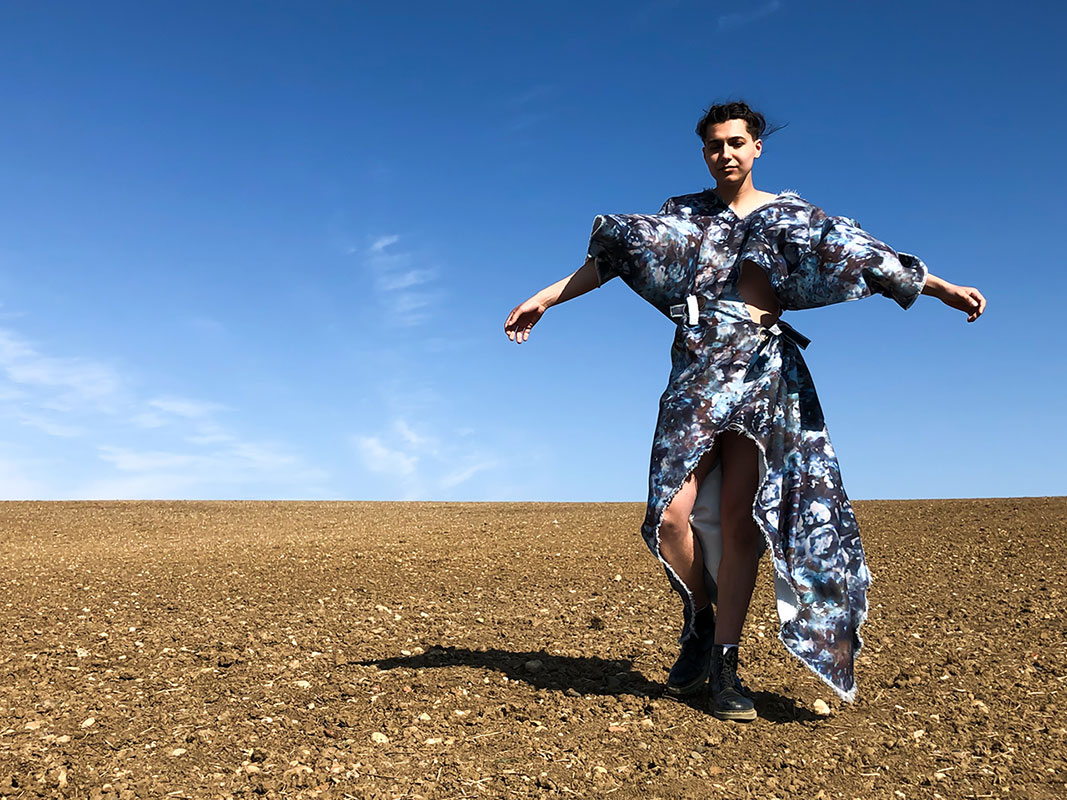
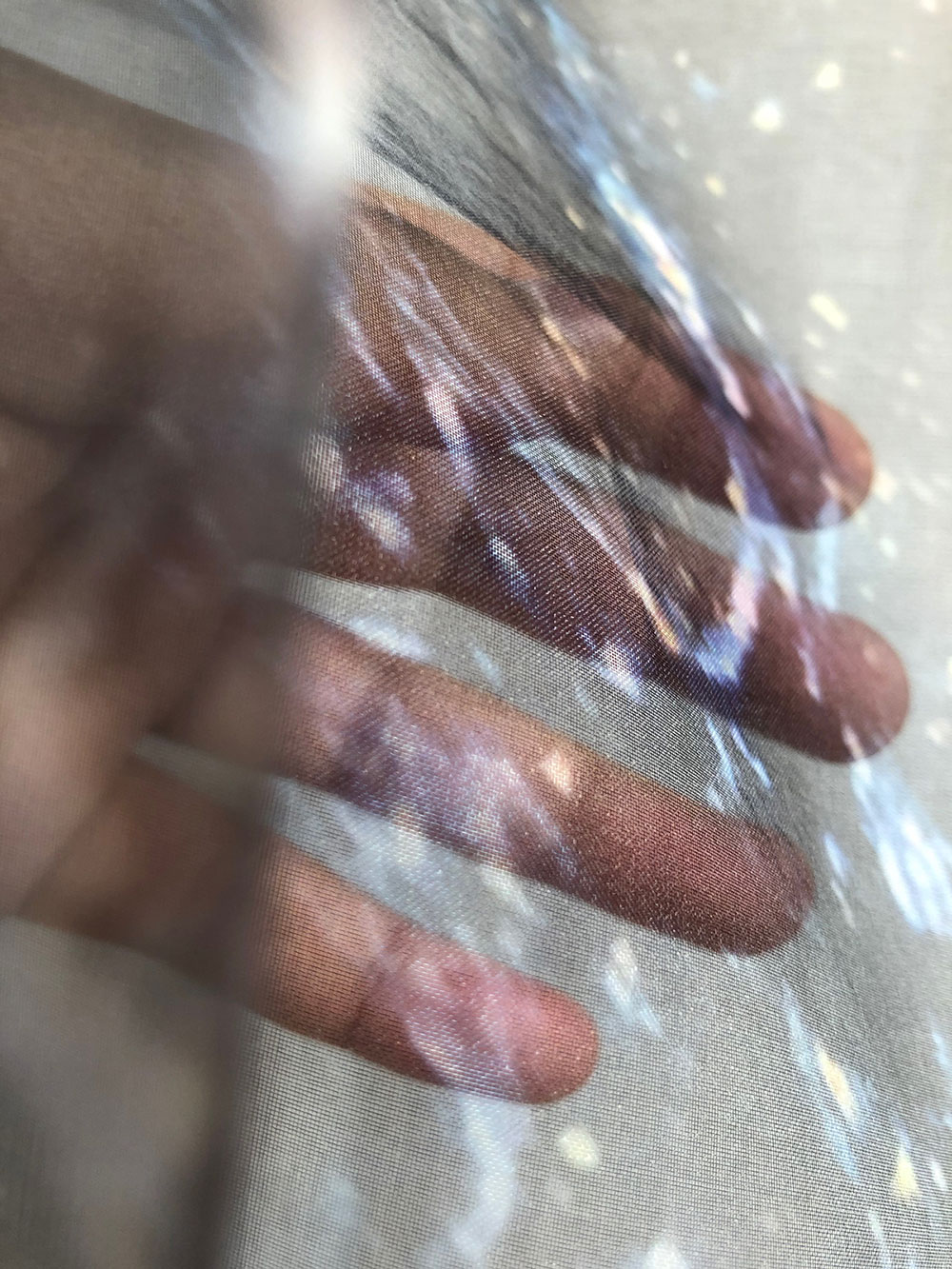
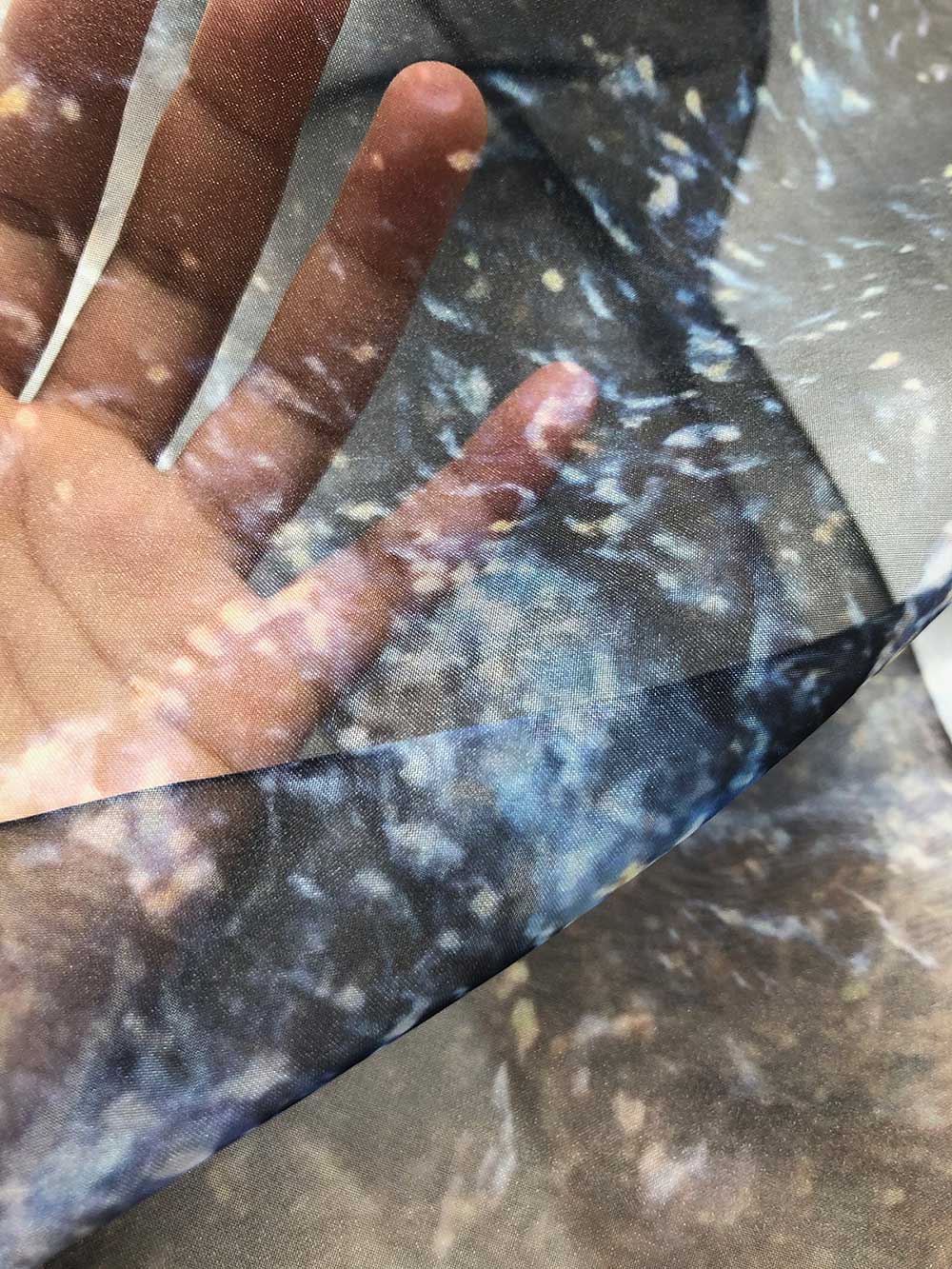
To be visually transformed further by being digitally printed onto organza.