


Fashion graduate, Nikita Vora, has had her work cut out this year. Under lockdown restrictions she has been hosting the ‘Sew From Home’ youtube channel where she has been interviewing fellow classmates at ECA about their work. She describes this as a chance to meet the face behind collections as well as getting an insight on how the pandemic has affected designers and to see how they have adjusted and grown as creators. Nikita described how the lockdown cemented her independence, “I had to think of ways to problem solve without automatically asking for help from our tutors or the technicians. In a way it actually gave me self confidence which I often lack, it made me realise my capability.”
Nikita set up ‘By Nikita Vora’, with the purpose of the brand being to celebrate diversity, from the designers she collaborates with, to the illustrations themselves, to the charitable organisations she donates a portion of the profits to.
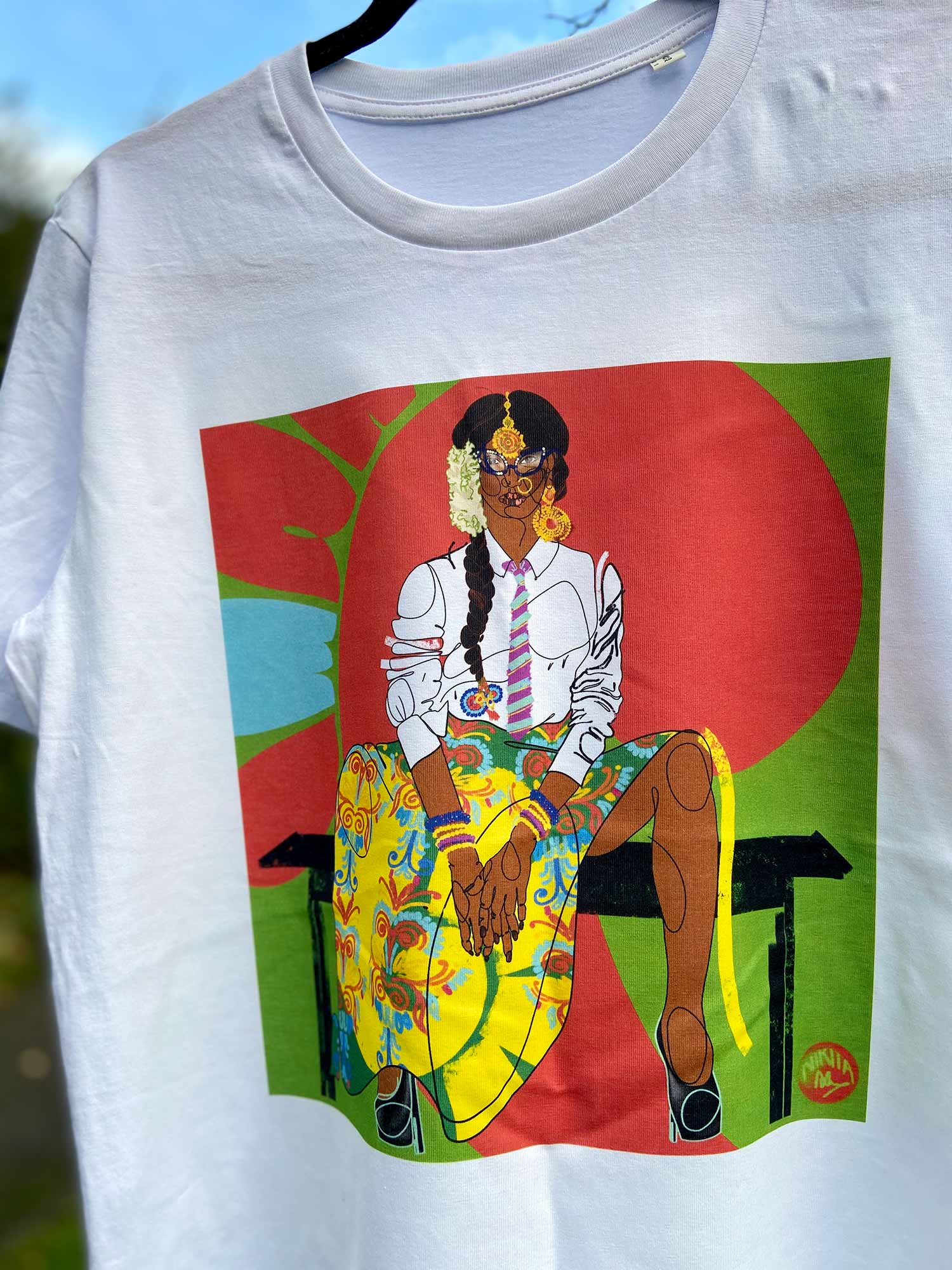
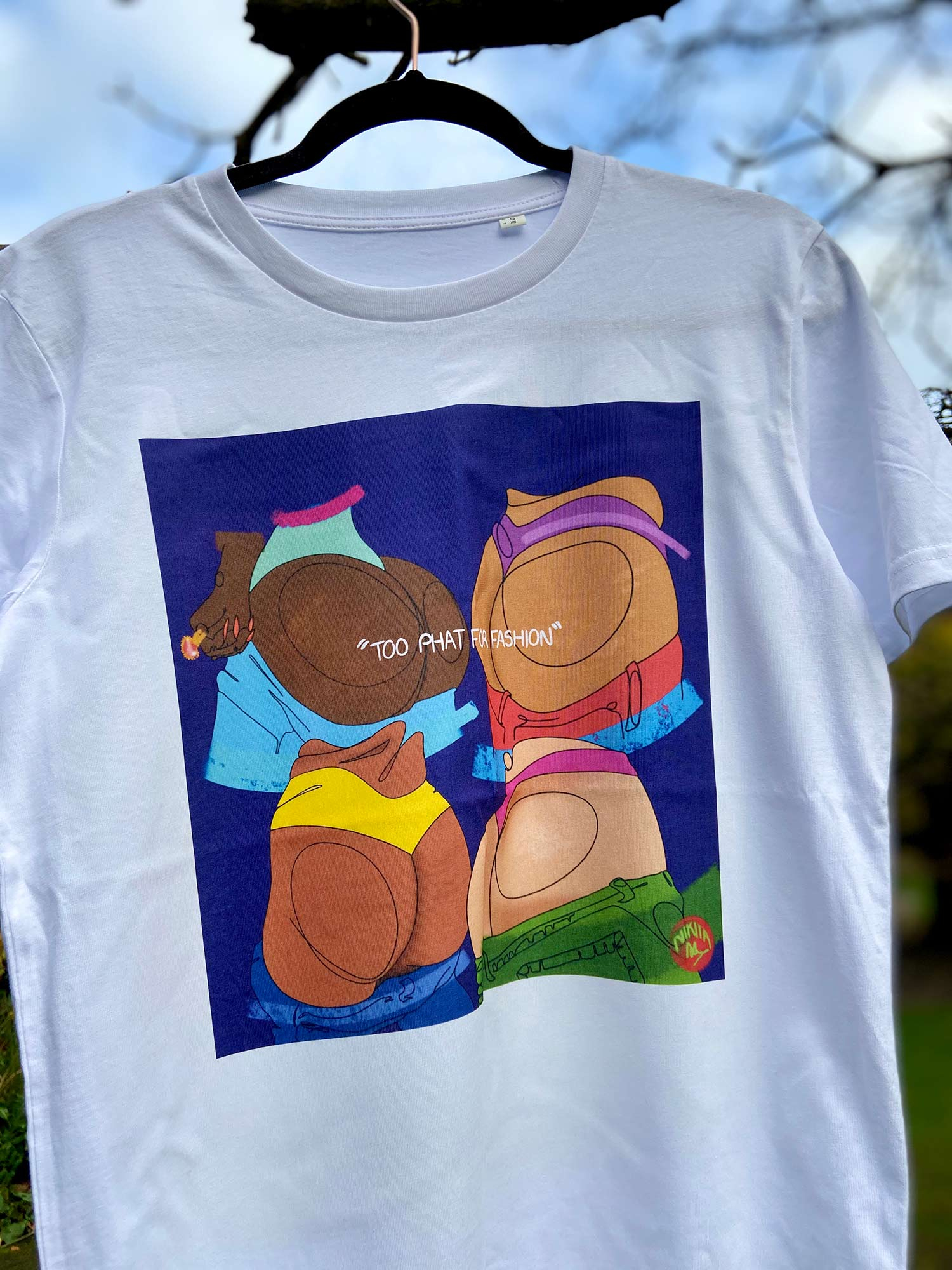
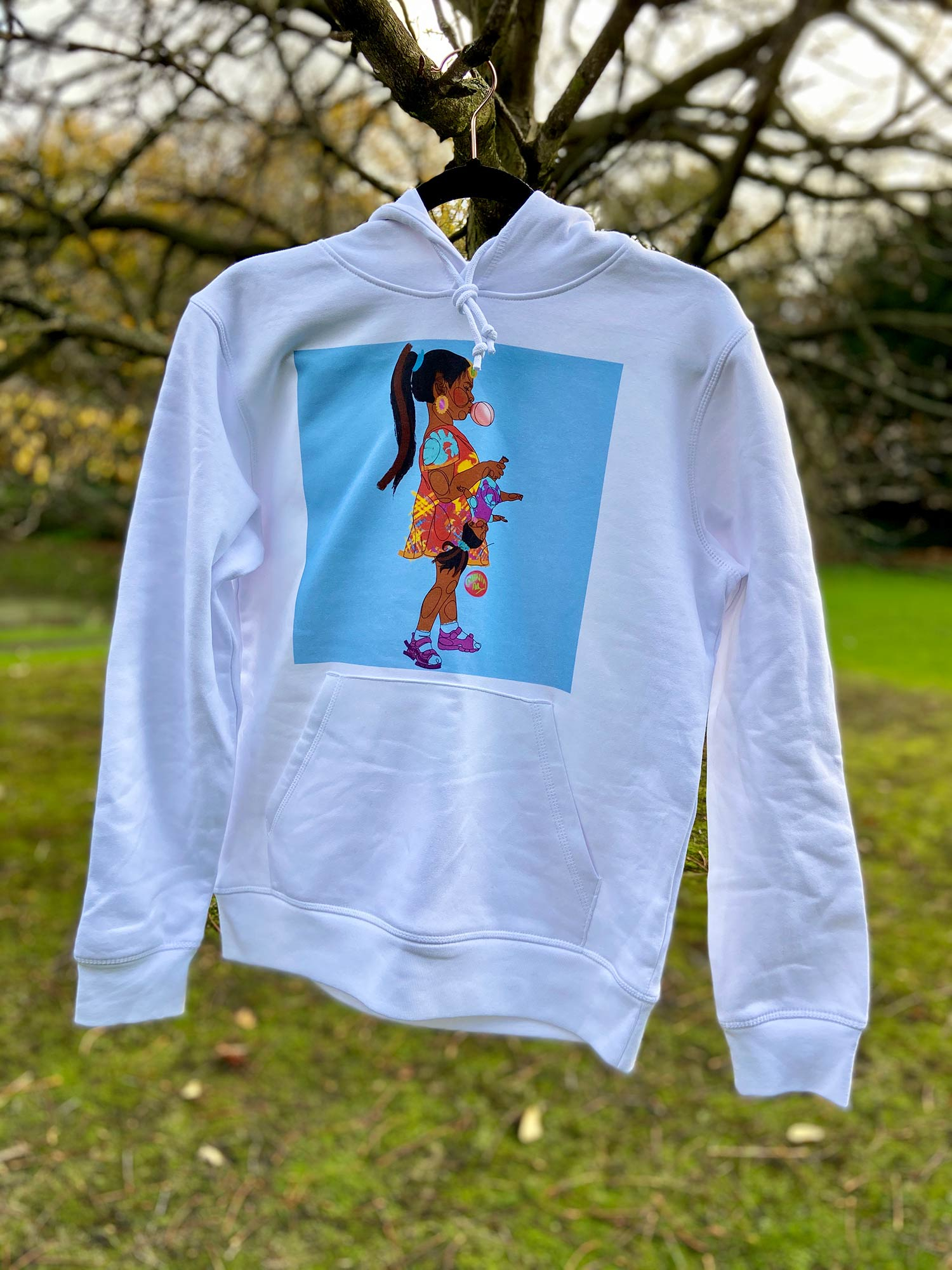
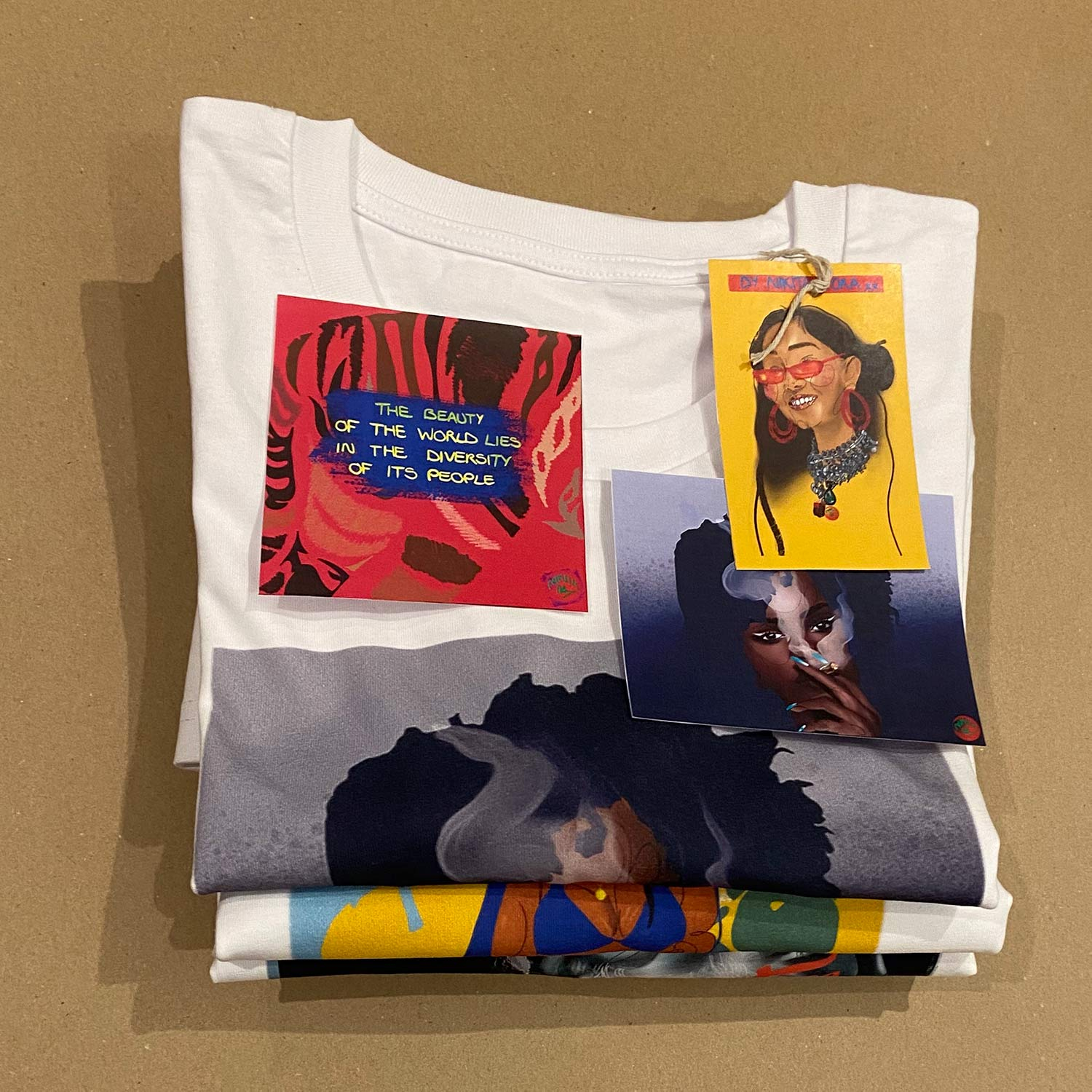
“It is important to me that my illustration prints were created to state that South-Asian women are intelligent, powerful, dominant and in charge of their sexuality. I am speaking up for and celebrating South-Asian women like my grandmother, my mother and myself. It is about time ethnic minorities are represented and heard.”
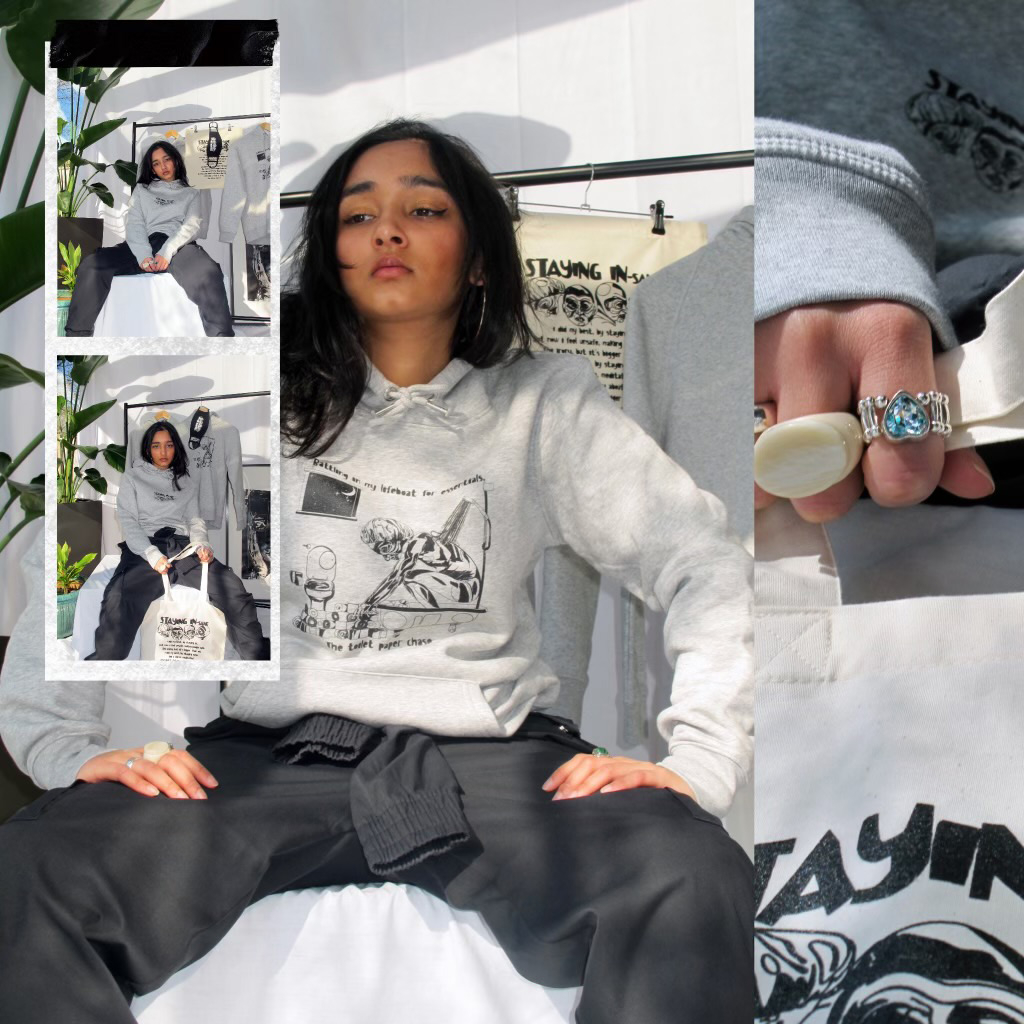
One recent collaboration Nikita has made through her brand is a response to the pandemic and the effects it has had on our mental health. “‘STAYING IN-SANE’ is a collaborative identity that illustrates the associated negative feelings with overthinking, but also the sense of peace that comes from releasing yourself from that obligation of ‘sanity’.”
10% of profits from this project went towards purchasing supplies for Euston and Hertford food bank.
On top of this, Nikita’s graduating collection is a bold and powerful response to the racist rhetoric she has witnessed. “I knew I wanted my project to be based on my culture and heritage. Many Indians immigrated to Britain in the 50s to seek opportunities for a better life. They were known as the ‘three pound generation’, such as my maternal grandparents. My project explores the cruel racism generations of Indian immigrants and subsequently British Indians have endured due to the colour of our skin. I have enjoyed being able to express my culture and heritage freely. I have, and always will, stand for diversity and push for diversity as a woman and a woman of colour.”